Local Microgreens Market in Birmingham
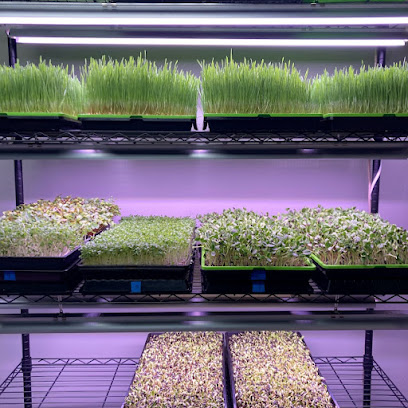
The Birmingham microgreen market currently centers on a lean network of specialized growers. With only two identified primary suppliers, the local scene remains focused on high-touch, direct-to-consumer models. This scarcity highlights a significant opportunity for residents to support hyper-local agriculture rather than relying on grocery store chains that ship produce across state lines. Given Alabama's intense summer heat and humidity, indoor vertical farming and soil-based controlled environments have become the industry standard. These controlled conditions allow growers to circumvent the regional climate, producing nutrient-dense crops year-round regardless of Birmingham's external temperature fluctuations.
Comparison of Top Growers
| Farm Name | Rating | Specialization | Type |
|---|
| Little Bitty Farm Microgreen | N/A | General urban farm | Farm shop |
| HEYDAY GREENS | 5 | Organic Soil-based Microgreens | Farm |
Deep Dive into Suppliers
HEYDAY GREENS: Based in Hoover, this operation utilizes organic seeds and soil to produce high-density greens. They maintain a grow-to-order model, delivering harvests to chefs and households within hours of cutting to ensure maximum nutrient density.
Little Bitty Farm Microgreen: As a designated farm shop, this entity functions as a retail-facing outlet for urban-grown produce. While specific rating data is unavailable, the shop format suggests a focus on walk-in accessibility and retail-ready packaging for local home cooks.
Nutritional Science and Urban Demand
Microgreens are not merely garnishes; they are concentrated sources of vitamins, minerals, and antioxidants. Research indicates that plants like broccoli, radish, and pea shoots can contain significantly higher concentrations of vitamin C, E, and K compared to their mature counterparts. For urban residents in Birmingham, these crops offer a way to bridge the gap between fresh garden produce and busy lifestyle constraints. Broccoli microgreens, for instance, are widely studied for their high concentrations of sulforaphane, a compound linked to cellular health. Radish shoots provide a sharp, spicy profile, while pea shoots offer a sweet, crunchy texture that serves as a base for salads or smoothies. Integrating these into a daily diet provides a dense nutritional payload in a small volume, which is essential for those living in urban environments with limited access to traditional gardening space.
Buying Guide for AL Residents
- Check the Harvest Date: Always inquire about the harvest window. Because microgreens have a high respiration rate, freshness is measured in hours, not days.
- Inspect for Wilting: Leaves should stand upright. If they appear limp, the cold chain has been broken or the product is nearing the end of its shelf life.
- Prioritize Soil-Grown: Soil-based microgreens often develop more complex mineral profiles than those grown via hydroponic mats.
- Support Subscription Models: Local growers often struggle with crop waste. Subscribing to a weekly service helps the farmer predict demand and ensures you receive the freshest possible cut.
- Understand Local Climate Benefits: By purchasing from Birmingham-based indoor farms, you reduce the carbon footprint associated with long-haul trucking and avoid the pesticide residues commonly found on industrial-scale greens.