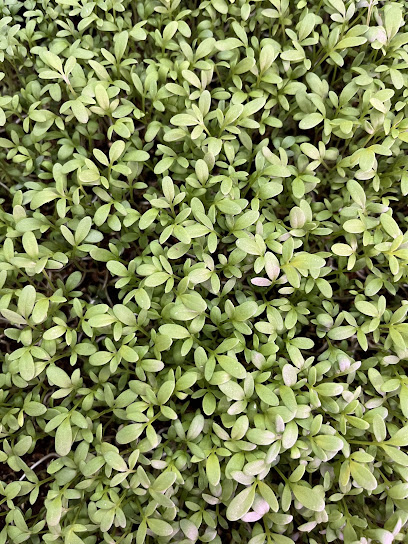
The Microgreens Market in Arkansas
The Arkansas microgreens market is currently in a nascent, high-growth stage. While the state boasts a rich agricultural heritage defined by large-scale row crops like rice, soybeans, and cotton, the shift toward high-value, controlled-environment agriculture (CEA) is accelerating. Currently, there are five verified operations serving the state, focusing primarily on density-based production in urban centers. Unlike traditional Arkansas farming, which relies on expansive acreage and seasonal outdoor cycles, microgreen production here utilizes vertical space and hydroponic systems to bypass soil-borne pathogens and unpredictable weather. The market is currently dominated by specialized producers who prioritize direct-to-consumer delivery and restaurant-to-kitchen supply chains over commodity-scale distribution.
Top Cities for Fresh Greens
Bentonville and Springdale serve as the primary epicenters for urban agriculture in Arkansas. This concentration is not accidental. Bentonville’s rapid economic expansion and the presence of corporate infrastructure have created a demographic with high demand for nutrient-dense, specialty produce. With three verified farms, Bentonville functions as the primary laboratory for Arkansas's indoor farming techniques. Springdale, with two verified farms, provides the logistical backbone, facilitating shorter supply chains between production sites and local dining establishments. These two cities exhibit the necessary population density and per-capita income to sustain the higher price points associated with microgreens, which are often classified as luxury or specialty culinary products.
Arkansas Climate & Indoor Farming
Arkansas’s climate presents a significant challenge to traditional agriculture, characterized by high humidity, intense summer heat, and unpredictable frost cycles. These environmental stressors make the state an ideal candidate for indoor, vertical farming. By moving production into climate-controlled environments, growers in Bentonville and Springdale mitigate the risks associated with the state's humid subtropical climate, such as fungal outbreaks and localized drought impacts. Hydroponic systems allow for year-round production, insulating the grower from the volatility of Arkansas’s seasonal shifts. Furthermore, as water conservation becomes a critical focus in regional agricultural planning, hydroponic and aeroponic microgreen systems offer a distinct advantage: they consume significantly less water than traditional field-grown crops by recirculating nutrient-rich solutions. This efficiency is a core driver for the current shift toward urban cultivation in the Ozark region.
Sourcing Locally in AR
For restaurants, retailers, and residents looking to source fresh microgreens in Arkansas, the current market is divided into specialized service models. Utilizing these local channels ensures peak freshness and reduces the carbon footprint associated with long-haul produce shipping:
- Grow NWA: A primary farm-based producer located in the Bentonville/Springdale hub, focused on consistent, high-yield harvests.
- Bella Vista Microgreens: Operates as a specialized delivery service, ideal for local businesses requiring direct-to-door distribution.
- Holy Ground Microgreens: A dual-purpose operation offering both agricultural consulting services and direct farm production, acting as a knowledge hub for the local industry.
- Ozark Mighty Greens: Functions as a key node within the regional farmers' market circuit, allowing for consumer access to fresh, small-batch harvests.
By prioritizing these verified entities, the Arkansas agricultural sector continues to build a resilient, localized food system that bypasses the logistical inefficiencies of traditional, large-scale supply chains.