The Microgreens Market in Delaware
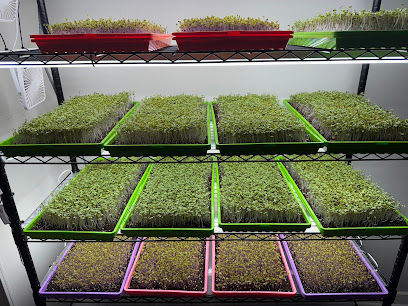
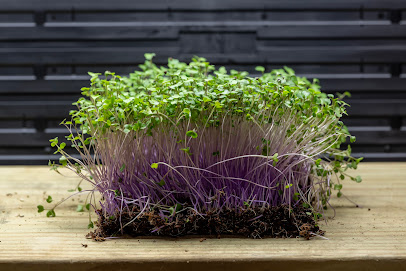
Delaware’s microgreen market is currently in a nascent stage of formal commercialization. With only one verified farm currently dominating the state-level supply chain, the demand for nutrient-dense, hyper-local produce far outstrips existing supply. Microgreens—harvested at the cotyledon stage—require highly controlled environments to prevent pathogenic contamination and ensure rapid turnaround. In Delaware, the market is defined by a reliance on indoor hydroponic systems that bypass traditional soil-based limitations. Consumers and commercial buyers are increasingly shifting away from long-haul produce imports toward these locally grown alternatives, which offer superior shelf life and flavor profiles compared to greens shipped across state lines.
Top Cities for Fresh Greens
Wilmington serves as the primary epicenter for urban agriculture in Delaware. As the state’s most populous city, Wilmington provides the necessary population density to support high-turnover indoor farming operations like Micro Fresh Farm LLC. The concentration of high-end culinary establishments and health-conscious consumers in this specific urban corridor creates a robust demand loop. Growers here benefit from reduced logistics costs, as they are situated minutes away from their primary point-of-sale. While rural areas of Delaware possess rich agricultural traditions, the specialized nature of microgreen production—which requires proximity to the end-user for freshness—naturally incentivizes growers to cluster within the Wilmington city limits rather than in the broader, less dense regions of the state.
Delaware Climate & Indoor Farming
Delaware experiences a humid subtropical climate, characterized by hot, humid summers and cold winters. For traditional open-field agriculture, this presents a narrow growing window. Microgreen production, however, is largely shielded from these meteorological volatility factors because it occurs within controlled-environment agriculture (CEA) facilities. By utilizing vertical racking systems and LED supplemental lighting, Delaware growers can achieve consistent, year-round harvest cycles regardless of external temperature fluctuations or excessive humidity. Water regulation is another critical factor. Delaware’s aquifers are sensitive, and indoor hydroponic systems are significantly more water-efficient than traditional field irrigation. These systems recycle water through closed-loop nutrient delivery, allowing growers to scale operations without the heavy water footprint associated with conventional row-crop farming. This technology-forward approach turns Delaware’s environmental constraints into a competitive advantage for indoor farming, as it mitigates the risk of soil-borne diseases often found in the state’s coastal plain geography.
Sourcing Locally in DE
For restaurants, retailers, and residents looking to integrate local microgreens into their supply chain, the following strategies ensure the highest quality product:
- Direct-to-Farm Procurement: Engaging directly with verified local entities like Micro Fresh Farm LLC allows for custom crop requests, such as specific pea shoot or radish varieties tailored to culinary needs.
- Subscription Models: Many urban farms in Wilmington offer weekly subscription boxes, ensuring a consistent supply of harvests that have been cut within 24 hours of delivery.
- Quality Verification: When sourcing, prioritize farms that demonstrate clear sanitation protocols for their hydroponic trays, as microgreens are consumed raw and are highly susceptible to bacterial contamination if handled improperly.
- Bulk Wholesale: Professional kitchens in the Wilmington area should inquire about standing orders to stabilize pricing and ensure priority access to limited seasonal yields.