Local Microgreens Market in LaFayette
The microgreens market in LaFayette, Georgia, remains specialized and niche. Currently, there are two identified suppliers operating within the vicinity. While the count is low, this reflects a broader trend in North Georgia where indoor vertical farming is beginning to replace traditional field-grown produce for delicate crops. Because these greens have short lifespans, proximity to the farm is the single most important factor in quality.
Georgia's climate—characterized by high humidity and significant temperature swings—presents challenges for open-field agriculture. Indoor vertical farming, however, thrives in this environment. By controlling humidity and light spectrums, local growers bypass the unpredictability of the Georgia weather, ensuring consistent yields of wheatgrass and micro-vegetables throughout the year. This controlled environment production is essential for maintaining the nutrient density that makes microgreens a superfood.
Comparison of Top Growers
| Farm Name | Rating | Specialization | Type |
|---|
| Georgia Microgreens | N/A | Vertical Farming & Delivery | Farm |
| The Nashville Microgreen Co. | N/A | General Urban Farming | Farm |
Deep Dive into Suppliers
Georgia Microgreens operates as a dedicated vertical farming facility. By utilizing pure water and high-density growing methods, they cater directly to culinary professionals and health-conscious consumers. Their direct-to-door delivery model removes the middleman, ensuring the shelf life of their harvest is maximized for the end user.
The Nashville Microgreen Co. functions as a general urban farm. As an urban-focused operation, they likely utilize modular space to produce greens within the local ecosystem, though their specific product list remains broader in scope than specialized vertical operations.
Nutritional Science and Benefits
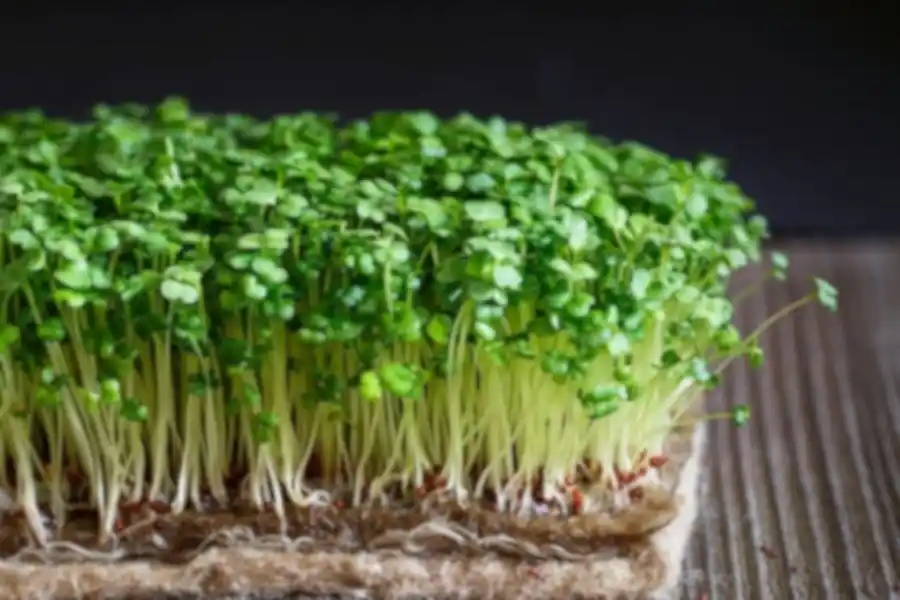
Microgreens are not just garnish. Research indicates that these young vegetable greens, harvested just after the cotyledon leaves have developed, can contain significantly higher concentrations of vitamins and antioxidants than their mature counterparts. For example, red cabbage microgreens have been found to contain 40 times more vitamin E and six times more vitamin C than mature red cabbage.
Broccoli microgreens are rich in sulforaphuraphane, a compound studied for its potential anti-inflammatory and cancer-preventative properties. Pea shoots offer a sweet, crunchy profile high in folate and vitamin A. Integrating these into a daily diet provides a concentrated dose of micronutrients that are often lost during the long-distance shipping required for commercial produce found in big-box grocery stores. For residents of LaFayette, buying local means consuming plants at their peak metabolic activity, rather than after days of refrigerated transit.
Buying Guide for GA Residents
- Check the Stem: Fresh microgreens should stand upright. If they appear wilted, yellowed, or have a slimy texture at the base, the product is past its prime.
- Assess the Soil/Medium: Ask growers what medium they use. High-quality operations use sterile coconut coir or specialized mats to prevent mold and bacterial contamination.
- Storage Matters: Always store microgreens in the refrigerator, ideally in an airtight container with a paper towel to absorb excess moisture. They typically last 5 to 7 days if kept cold and dry.
- Seasonal Advantage: Even in winter, local indoor farms in Georgia provide stable access to produce. Prioritize growers who offer delivery, as the shorter the time between harvest and consumption, the higher the nutrient retention.
- Ask for Variety: Beyond common radish or sunflower shoots, look for nutrient-dense options like amaranth, cilantro, or spicy mustard greens to diversify your antioxidant intake.

 G
G