Local Microgreens Market in Chicago
Chicago's urban agriculture sector remains in a developmental phase, currently represented by a limited number of specialized growers. Finding consistent, high-quality microgreens in the city requires navigating a market where supply is often tethered to specific neighborhood hubs. With only two primary suppliers identified, buyers must prioritize local relationships and direct-to-consumer delivery models to ensure optimal shelf life and nutritional density. The reliance on indoor, controlled-environment agriculture is a direct response to the Illinois climate, which presents significant challenges for traditional field farming during the long, freezing winter months.
Comparison of Top Growers
| Farm Name | Rating | Specialization | Type |
|---|
| MicroUrban Farms | N/A | General Microgreens | Farm |
| Closed Loop Farms | 4.8 | Soil-based Microgreens, Herbs, Edible Flowers | Urban Farm |
Deep Dive into Suppliers
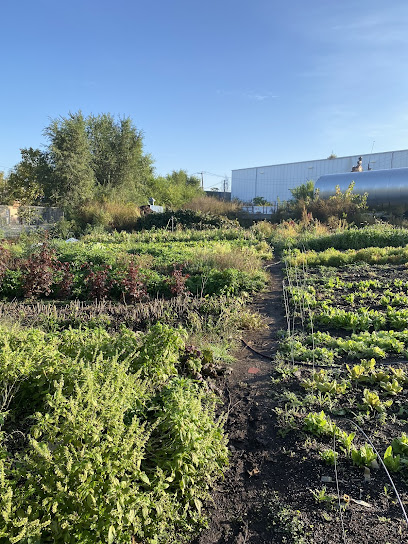
Closed Loop Farms operates out of The Plant in the Back of the Yards neighborhood. This facility utilizes soil-based, beyond-organic growing methods to supply chefs and home consumers with greens, herbs, and edible flowers. Their integration as a local food hub extends their impact beyond simple cultivation, offering grocery delivery services that bridge the gap between regional producers and urban residents.
MicroUrban Farms is currently operating with a limited digital footprint, as their primary website is unreadable. For a local buyer, this suggests a reliance on wholesale contracts, farmers' market presence, or direct-to-restaurant sales rather than a consumer-facing retail platform.
Nutritional Science and Urban Need
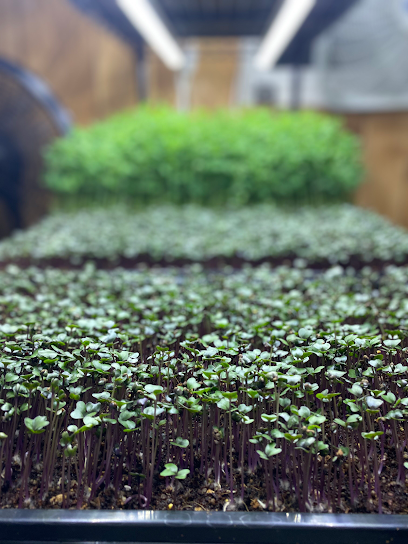
Microgreens are not merely culinary garnishes; they are concentrated reservoirs of vitamins and antioxidants. Research consistently shows that greens like radish, broccoli, and pea shoots contain significantly higher concentrations of vitamin C, E, and beta-carotene compared to their mature counterparts. For Chicago residents living in dense urban environments, these greens provide a reliable way to supplement a diet that might otherwise lack fresh, nutrient-dense produce during the winter. Because these crops are harvested at the cotyledon stage—usually 7 to 21 days after germination—they remain highly perishable. Sourcing them locally from indoor farms in Chicago, rather than importing them from other states, preserves the integrity of these delicate compounds.
Buying Guide for IL Residents
- Check the Stem: Fresh microgreens should stand upright. If they are limp or showing signs of yellowing, the cold chain has been broken.
- Moisture Control: Avoid containers with excess condensation inside, as this promotes rapid microbial growth. The greens should appear crisp and dry to the touch.
- Soil vs. Hydroponic: Chicago’s local growers often favor soil-based systems for flavor depth, while hydroponic systems focus on clean, year-round consistency. Both provide superior nutrition compared to long-haul produce.
- Support Local Hubs: By purchasing from operations like Closed Loop Farms, you reduce the carbon footprint associated with long-distance food transport, which is especially vital given the energy-intensive nature of indoor lighting and HVAC requirements in Illinois.
- Storage: Keep your greens in the coldest part of your refrigerator, ideally in a breathable container, to maximize their lifespan to 5–7 days post-harvest.