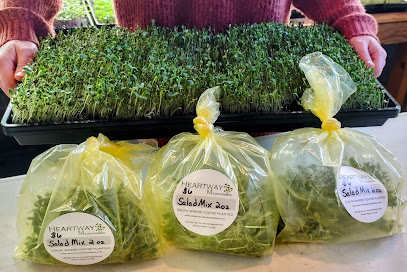
The Rise of Urban Farming in Plano
Plano, Illinois, is seeing a shift toward localized food production as residents prioritize nutrient density and food security. Urban farming, specifically the cultivation of microgreens, allows for year-round production of vegetables regardless of traditional agricultural cycles. By utilizing vertical farming and indoor growing techniques, local producers are reducing the distance food travels from farm to table, ensuring maximum freshness and nutrient retention for Kendall County families and culinary professionals.
Current Local Growers
The following grower is currently active in the Plano region, providing both harvested produce and cultivation solutions for the community:
| Grower Name | Specialty | Service Area |
|---|
| Heartway Microgreens | Organic microgreens and home-growing starter kits | Plano, Aurora, Oswego, Yorkville, Chicago Metro |
Why Buy Locally Grown in IL?
Illinois faces significant seasonal limitations, with traditional outdoor growing restricted by cold winters and unpredictable spring weather. Microgreens provide a solution to this, as they are grown in controlled indoor environments. By sourcing from local growers, Plano residents avoid the nutrient degradation that occurs during long-distance transportation and cold storage of commercial greens. Local production also supports the regional economy and provides access to fresh, organic produce that is harvested at its peak nutritional maturity.
Popular Varieties & Culinary Uses
Microgreens are the young, tender seedlings of vegetables and herbs, often harvested within two weeks of germination. Popular varieties in the Plano area include:
- Radish: Known for a spicy, peppery flavor; excellent as a garnish for tacos or added to salads for a crisp texture.
- Pea Shoots: Sweet and crunchy, these are perfect for stir-fries, sandwiches, or as a standalone base for vibrant salads.
- Sunflower: Mild, nutty, and buttery; these are highly versatile and can be used in large quantities in smoothies or as a nutrient-dense salad green.
Integrating these greens into daily meals is a simple way to increase intake of vitamins C, E, and K, as well as essential antioxidants.