
 D
D💬 22 reviews⭐ 5
Explore 2 local microgreen producers across 2 cities.
D3Microgreen Cultivation and Distribution. Top products: Red Cabbage Microgreens, Rambo Radish Microgreens, Speckled Pea Microgreens. 3rd Day Farms, LLC Microgreens is a specialized agricultural producer focused on cultivating nutrient-dense microgreens for the Southwest Louisiana market. The farm serves a dual-channel customer base, providing fresh produce to both individual retail consumers and wholesale partners. Their mission centers on promoting clean, healthy eating habits through the accessibility of high-quality, locally grown greens. By focusing on a curated selection of varieties such as red cabbage, rambo radish, and speckled pea, the business maintains a streamlined production model. They are positioned as a regional supplier dedicated to meeting the growing demand for fresh, specialty produce in their local community.
The Louisiana microgreens market is currently in a nascent stage of development. While the state boasts a deep-rooted agricultural history centered on sugarcane, rice, and crawfish, the shift toward hyper-local, high-value indoor crops is gaining momentum. Currently, the verified landscape is concentrated into two distinct operations: Dixie Urban Farm LLC (doing business as Cotton St Farms) and 3rd Day Farms, LLC. These entities represent the vanguard of a move away from traditional soil-based monocultures toward controlled-environment agriculture.
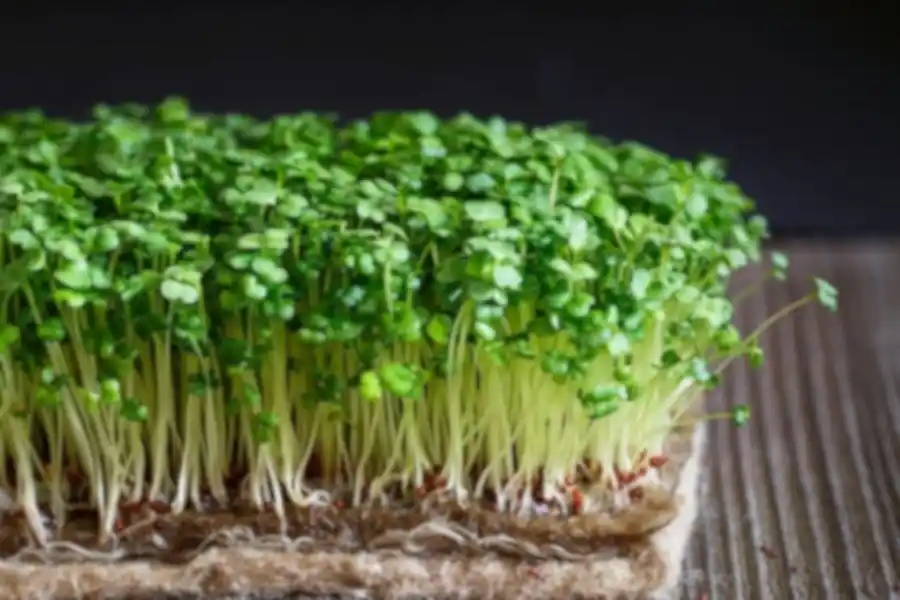
Microgreens—young vegetable greens that are approximately 1–3 inches tall—require specific humidity levels and precise light cycles. In Louisiana, where ambient humidity can soar well beyond 80%, the cost of climate control is a significant barrier to entry. Growers must balance the energy-intensive nature of dehumidification with the premium prices that local chefs and health-conscious consumers are willing to pay for fresh, nutrient-dense arugula, radish, and sunflower shoots.
Urban farming in Louisiana is currently anchored by two primary hubs: Lake Charles and Bossier City. These cities serve as the current testing grounds for vertical farming viability.
The concentration of these farms in these specific cities is no coincidence. Urban centers offer the shortest supply chains. By situating production within city limits, growers eliminate the 'middle mile,' ensuring that the harvest reaches the plate at peak nutritional value.
Louisiana’s climate is arguably the most challenging environment for agriculture in the United States. High heat, intense solar radiation, and extreme humidity define the growing season. Traditional field farming is frequently interrupted by tropical storms and heavy precipitation, which can wipe out soil-based crops in a matter of hours.
This is precisely why indoor, vertical farming is becoming an essential strategy. Hydroponic and aeroponic systems allow growers to decouple their production from the volatile Louisiana weather. By utilizing closed-loop water systems, these farms can recycle moisture, which is a major advantage in a state that, despite its high rainfall, faces significant water management regulations and seasonal drought stress.
Indoor farming also allows for the mitigation of pest pressure. Without the need for heavy pesticide usage, Louisiana microgreen growers can market their products as 'clean-label' or 'organic-compliant,' which commands a higher price point in the restaurant and retail sectors. The shift toward LED-powered vertical stacks allows these farms to produce yields per square foot that traditional soil-based farms simply cannot match, effectively turning abandoned warehouse space into high-output food factories.
For restaurants, grocery buyers, and residents looking to integrate local microgreens into their diets, the following strategies apply:
A: The primary advantage is the ability to bypass Louisiana's extreme humidity, heat, and unpredictable weather, allowing for year-round production in a controlled environment that minimizes pest pressure and water waste.
A: Currently, the market is emerging with 2 verified farms operating in Lake Charles and Bossier City, focusing on high-quality, fresh produce for local markets.
A: Restaurants can establish direct relationships with local growers like 3rd Day Farms, LLC or Dixie Urban Farm LLC to set up standing weekly orders, ensuring the product is harvested at peak freshness.
The most popular reviews: