
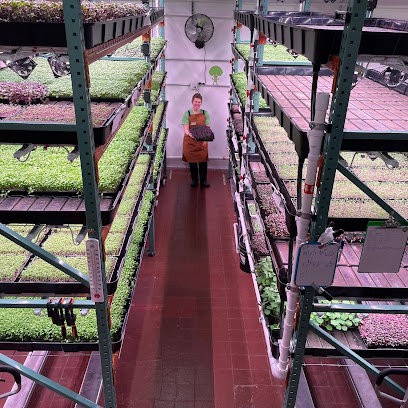
💬 21 reviews⭐ 5
Food producer
Cheeky Harvest
website unreadable
📍Saint Paul, MN, 2342 Wycliff St, St Paul, MN 55114, USA
Explore 5 local microgreen producers across 4 cities.
website unreadable
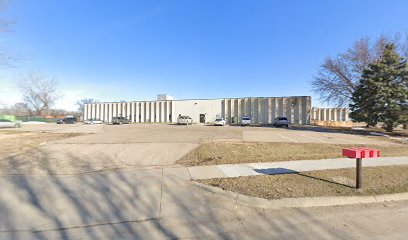
Vertical Aeroponic Indoor Farm. Top products: Salads, Herbs, Microgreens. Living Greens Farm utilizes a patented, NASA-inspired aeroponic vertical farming system to produce greens year-round in a controlled indoor environment. By misting plant roots with nutrient-rich water rather than using soil, the company achieves significant resource efficiency, including 95% less water usage and 98% less land requirement compared to traditional agriculture. Their production process is entirely free of pesticides, herbicides, and GMOs, resulting in a clean, sustainable product line. The farm emphasizes supply chain efficiency, delivering fresh produce to grocery retail shelves up to two weeks faster than conventional competitors. Their mission centers on providing high-quality, nutrient-dense produce while minimizing environmental impact through advanced, space-saving technology.
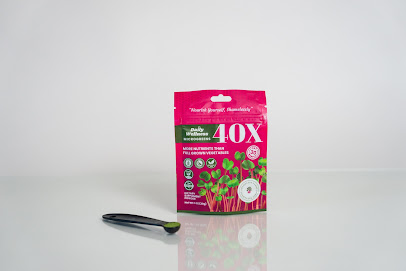
Microgreen Producer. Top products: Microgreens. Shameless Microgreens Farm is a specialized agricultural operation focused on the cultivation of microgreens. While specific growing methodologies are not explicitly detailed, the business positions itself as a provider of nutrient-dense, fresh greens intended for personal nourishment. Their branding suggests a direct-to-consumer focus, emphasizing the accessibility and health benefits of incorporating microgreens into a daily diet. The farm operates with a mission-driven approach centered on wellness and self-care. As a niche agricultural entity, they likely serve local health-conscious individuals and potentially culinary professionals seeking high-quality, fresh garnishes and ingredients.
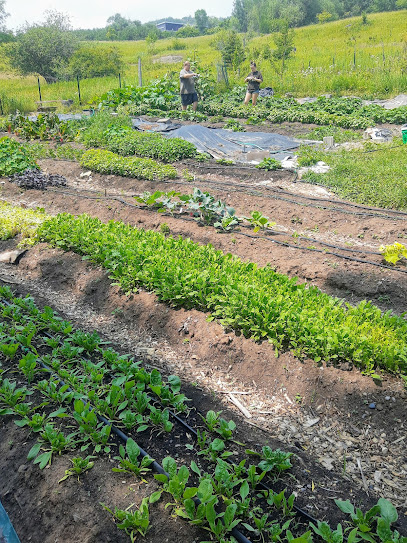
 N
NOrganic Soil-based Microgreen Grower and Delivery Service. Top products: Microgreens. Nutritious Blooms Microgreens is a hyper-local agricultural operation based in Duluth Heights, dedicated to providing fresh, nutrient-dense microgreens to the local community. The farm utilizes high-quality soil and organic seeds, ensuring a clean growing process that strictly avoids the use of synthetic pesticides. By employing filtered water in their cultivation methods, they prioritize food safety and product purity for their health-conscious customers. Their business model centers on direct-to-consumer sales, offering the convenience of free home delivery to residents within their service area. Through this model, they aim to make healthy eating more accessible by bridging the gap between local production and household consumption.
The microgreens sector in Minnesota is shifting from a boutique culinary trend to a stable agricultural sub-industry. With only four verified, high-performing commercial entities currently anchoring the market—Cheeky Harvest, Living Greens Farm®, Shameless Microgreens Farm, and Saltless Sea Urban Farm—the supply chain remains tight but highly specialized. These operations have moved beyond simple backyard setups, utilizing precision-controlled indoor environments to guarantee year-round yields despite the state's harsh winters.
Demand is currently driven by the high-end restaurant scene in the Twin Cities and coastal urban centers like Duluth. Because microgreens have a short shelf life, the state's reliance on imported produce from warmer climates often leads to significant waste. Local farms are filling this gap by offering harvest-to-delivery windows of less than 24 hours. This local model reduces the carbon footprint associated with long-haul logistics and improves the nutrient density of the greens reaching the consumer plate.
Urban farming is not distributed evenly across the state. Instead, it clusters in areas where infrastructure and market density align. The current market data identifies four primary hubs: Duluth, Faribault, Roseville, and Bloomington.
Minnesota’s climate is the primary driver for the adoption of vertical and hydroponic farming. With a growing season for field crops that often spans fewer than 150 days, traditional soil-based agriculture is non-viable for most of the year. The state’s extreme temperature fluctuations, characterized by sub-zero winters, necessitate indoor cultivation systems that utilize high-efficiency LED lighting and climate-controlled HVAC systems.
Water management is another factor. While Minnesota is the 'Land of 10,000 Lakes,' agricultural water usage is under increasing scrutiny regarding runoff and chemical contamination. Hydroponic and aeroponic systems used by farms like Living Greens Farm® operate in closed-loop cycles, recirculating water and utilizing up to 90% less water than traditional soil farming. This efficiency is not just an environmental preference; it is an economic necessity to keep utility costs stable during the winter months when heating loads are at their maximum.
Furthermore, the shift toward vertical farming allows these growers to stack production vertically, multiplying the usable square footage of their facilities. By decoupling production from the natural outdoor climate, these four farms provide a consistent supply of nutrients that are otherwise unavailable in the Minnesota grocery market during the winter.
For restaurants, distributors, and individual consumers looking to source the freshest microgreens in the state, the following criteria and methods are recommended:
A: The state's short outdoor growing season necessitates indoor, climate-controlled farming to maintain a consistent, year-round supply of fresh produce.
A: Currently, there are 4 verified, top-tier farms operating in hubs like Duluth, Faribault, Roseville, and Bloomington, focusing on high-quality indoor production.
A: Buying local significantly reduces the transit time from harvest to consumption, resulting in higher nutrient retention, better flavor profiles, and lower carbon emissions compared to imported greens.
The most popular reviews:
New business owners. Very kind and professional. A pleasure to talk with staff~
— Living Greens Farm®I absolutely adore the Cheeky Harvest team! They are so kind, professional and produce incredibly beautiful micros and edible flowers.
— Cheeky HarvestWhen it comes to superfoods that pack a nutritional punch, Shameless Microgreens Farm is a game-changer. As a health-conscious individual, I've had the pleasure of incorporating their microgreens into my daily routine, and I can't help but share my review. They deliver microgreens to Minneapolis Minnesota and even Lake Minnetonka Area for free!
— Shameless Microgreens Farm