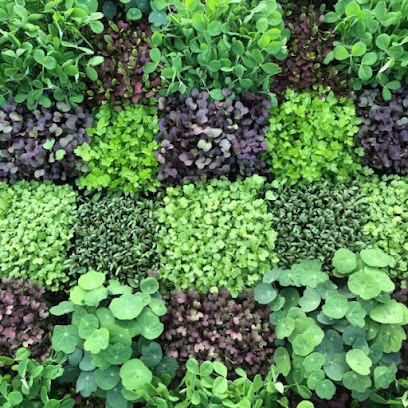
The Microgreens Market in Missouri
Missouri’s agricultural landscape is shifting. While the state remains a powerhouse for commodity crops like corn and soybeans, a hyper-local movement focused on microgreens and controlled-environment agriculture (CEA) is gaining traction. Currently, there are 8 verified farms operating across 6 cities. This sector represents a pivot toward high-density, low-acreage production that bypasses traditional soil-based limitations.
The market is characterized by a mix of direct-to-consumer delivery and boutique produce market supply chains. Farms like Wee Lil' Greens LLC and Genesis Gardens STL maintain perfect ratings, signaling high consumer demand for quality and consistency. Because microgreens have a short crop cycle—often 7 to 14 days—these farms can achieve higher turnover rates than traditional farms, maximizing revenue per square foot. This efficiency is essential in a state where urban land costs in metropolitan hubs like Kansas City are rising.
Top Cities for Fresh Greens
Urban farming density follows population clusters and logistical access to restaurant corridors. Springfield and Kansas City lead the state, each hosting 2 verified farms. Springfield’s dual presence, represented by Springfield Family Microgreens and other specialized producers, suggests a robust local market likely supported by the city's unique position as a regional commerce hub. Kansas City, with its massive restaurant scene and culinary diversity, provides a natural incubator for KC Micro Farm and similar operations.
Smaller municipalities like Lebanon, Republic, Joplin, and Wildwood each support one verified farm. This distribution demonstrates that microgreen production is not limited to major metros; rather, it is a scalable model that thrives in mid-sized cities where local chefs seek to differentiate their menus. The presence of specialized produce markets like Rich Farms, LLC and Lebanon Microgreens in these smaller hubs proves that consumer education is translating into tangible sales.
Missouri Climate & Indoor Farming
Missouri is a state defined by extreme temperature fluctuations. Summers bring stifling humidity and heat, while winters are characterized by freezing temperatures and unpredictable frost. For traditional agriculture, this creates a short, volatile growing season. For microgreen growers, these environmental hurdles are the primary argument for moving production indoors.
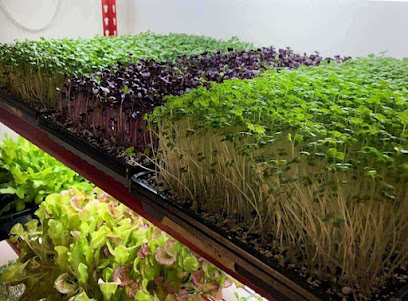
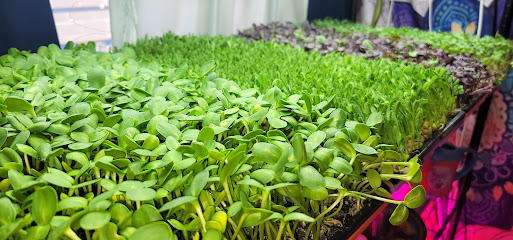
Indoor farming eliminates the risk of drought or heavy rainfall destroying crops. By utilizing hydroponic racks and vertical lighting systems, Missouri growers control every variable: photoperiod, nutrient density, and vapor pressure deficit (VPD). This is crucial. In the Midwest, where water rights and soil health are constant concerns, vertical farming allows for closed-loop irrigation systems that use up to 90% less water than field farming. Furthermore, indoor production allows these 8 verified farms to provide year-round harvest, insulating the local food supply from the seasonal fluctuations that plague traditional Missouri produce.
Sourcing Locally in MO
For restaurants, commercial kitchens, and individual residents looking to source high-quality greens, the following farms represent the current standard for production in the state:
- Vet Grows: High-rated producer focusing on specialized small-batch greens.
- Wee Lil' Greens LLC: Rated at 5 stars, known for consistent quality and high-density cultivation.
- Genesis Gardens STL: A premier source for urban-grown produce in the St. Louis area.
- Springfield Family Microgreens: A staple for the Springfield market, focusing on rapid turnover and freshness.
- Rich Farms, LLC: Operates as a produce market, bridging the gap between farm and consumer.
- Lebanon Microgreens: Key supplier for the Lebanon region.
- KC Micro Farm: A pillar in the Kansas City market, often operating through farmers' market channels.
- Chicken Salad Microgreens: Specialized agricultural production focusing on niche culinary varieties.
When sourcing, prioritize farms that provide harvest dates. The nutritional profile of a microgreen begins to degrade immediately after cutting; therefore, proximity to the farm is the single most important factor in nutritional value and shelf life. By supporting these 8 verified locations, Missouri buyers are not just purchasing produce—they are investing in a localized, resilient food infrastructure that operates regardless of the state's challenging weather patterns.

 T
T