The Microgreens Market in Montana
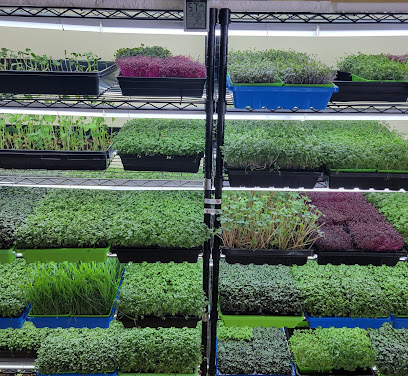
Montana’s agricultural landscape is traditionally defined by expansive dryland wheat operations and cattle ranching. However, the microgreens sector represents a significant pivot toward high-value, low-acreage production. Currently, the market is in its nascent stage, characterized by a small number of verified, specialized producers rather than broad industrial-scale operations. Tiny Forest Microgreens and Gecko Mountain Farm serve as the primary benchmarks for the state’s current supply capacity. These producers operate as wholesalers and direct-to-consumer suppliers, bridging the gap between remote regional demand and fresh produce availability. The shift toward microgreens is driven by the demand for year-round nutritional density, which traditional Montana row-crop agriculture cannot provide during the long, sub-zero winter months.
Top Cities for Fresh Greens
Urban farming in Montana is geographically concentrated. The state’s limited population density necessitates that indoor farming operations cluster in established urban centers with high-end culinary demands. Billings and Kalispell are the current hubs for this activity.
- Billings: As the largest city in Montana, Billings provides a robust market for wholesalers like Tiny Forest Microgreens. The concentration of restaurants and grocery retailers in Yellowstone County creates a necessary ecosystem for perishable, high-turnover crops.
- Kalispell: Serving as the gateway to the Flathead Valley, Kalispell’s urban farming growth, exemplified by Gecko Mountain Farm, is driven by a unique demographic mix. The demand for locally sourced, nutrient-dense greens follows the regional tourism and health-conscious consumer trends inherent to the Flathead area.
The concentration of these farms in these specific cities is not coincidental. Growers require proximity to distribution channels and consistent climate-controlled environments. Urban centers offer the infrastructure necessary for vertical farming, including reliable power grids for LED array lighting and climate management systems, which are essential for maintaining the delicate growth cycles of micro-herbs and brassicas.
Montana Climate & Indoor Farming
Montana’s climate is a primary catalyst for the growth of indoor, controlled-environment agriculture (CEA). With a growing season that can be as short as 90 to 120 days in higher elevations, traditional outdoor farming is impossible for large portions of the year. The state faces extreme temperature fluctuations and significant drought risks, placing immense pressure on water management. Traditional irrigation-heavy farming is increasingly scrutinized, making the efficiency of hydroponic systems highly attractive.
Indoor microgreen production uses up to 90% less water than soil-based outdoor field crops. By utilizing recirculating nutrient film techniques (NFT) or simple tray-based hydroponic setups, Montana growers can bypass the state's harsh winters and arid summers. This allows for year-round production of crops like arugula, radish, and sunflower shoots regardless of the external environmental stressors. The ability to control humidity is another critical factor; Montana’s dry air can quickly desiccate delicate greens, but indoor facilities provide the stable microclimates required to prevent crop loss. As state water regulations tighten, the scalability of indoor farming becomes a strategic advantage for Montana’s agricultural future.
Sourcing Locally in MT
Securing fresh, local microgreens requires understanding the current supply chain. For restaurant owners, chefs, and retail consumers, the following methods are the most effective for sourcing:
- Direct Wholesale Partnerships: Establish contracts with wholesalers like Tiny Forest Microgreens. This ensures regular, harvest-day delivery, which is vital for maintaining the nutritional value and shelf life of micro-vegetables.
- Direct-to-Consumer (DTC) Sales: Monitor social platforms and local farm websites for Gecko Mountain Farm. Many microgreen growers operate on a pre-order model to reduce food waste and ensure maximum freshness.
- Regional Farmers' Markets: During the shortened growing season, urban microgreen growers often utilize market stalls in Billings and Kalispell to engage directly with the public, providing an opportunity to sample varieties before committing to bulk orders.
- Restaurant Integration: Support local establishments that specifically advertise the use of Montana-grown microgreens on their menus, as these businesses serve as the primary anchor clients for the state’s micro-scale farmers.