Microgreen Farms in New Hampshire

Explore 3 local microgreen producers across 3 cities.

Select your city:
Loading Map...

Top Rated Farms in NH

Farm Background Placeholder
C
💬 7 reviews5
Farm

Cora Hillside Micro Farm LLC

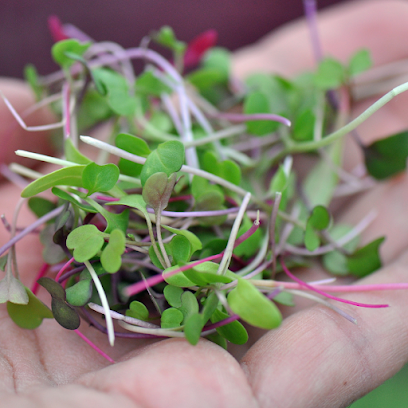
Direct-to-consumer microgreens farm. Top products: Mav's Micro Mix, Individual 1.5 oz microgreen portions. Cora Hillside Micro Farm LLC is a local, community-focused agricultural operation based in Hooksett, New Hampshire, specializing in the cultivation of nutrient-dense microgreens. The farm utilizes sustainable growing practices that avoid the use of fertilizers and pesticides while minimizing water consumption. Their primary business model centers on a subscription-based delivery service, providing customers with freshly harvested greens within 24 hours of cutting. By targeting local residents, the farm emphasizes the superior nutritional profile and shelf-life of their living foods compared to traditional supermarket produce. The operation is managed by Wilfredo Cora, who maintains a direct-to-consumer approach to ensure quality and freshness for the local community.

📍320 Hooksett Rd, Auburn, NH 03032, USA
Route
Monadnock Microgreens
Farm

Monadnock Microgreens

Direct-to-consumer microgreens farm and local delivery service. Top products: 4 varieties of nutrient-dense microgreens, Living food sprouts, Locally-grown organic greens, Custom-grown microgreen orders. Monadnock Microgreens is a Jaffrey, New Hampshire-based agricultural operation specializing in the cultivation and direct-to-consumer delivery of nutrient-dense microgreens. Founded by Cody, the farm focuses on a 'direct to community' model, ensuring customers receive fresh produce within 24 hours of harvest. By positioning their product as a superior, highly concentrated alternative to mature vegetables, they target health-conscious local residents in the Monadnock region. The business operates on a pre-order system, allowing them to tailor production to specific customer demand while maintaining high quality and freshness. Their mission centers on providing accessible, locally-grown superfoods that enhance the nutritional value and flavor profile of daily meals.

📍1933 State Rte 101, Dublin, NH 03444, USA
Route
Papa Dean's Microgreens
Farm

Papa Dean's Microgreens

Microgreen Producer. Top products: Microgreens, Sprouts, Shoots, Herbs. Papa Dean's Microgreens is a specialized agricultural operation focused on the cultivation of nutrient-dense microgreens. While the business is currently transitioning its sales infrastructure to include a digital storefront, they remain actively engaged in serving their local community and client base. Their operations are centered on providing high-quality, fresh greens, likely catering to both culinary professionals and health-conscious home consumers. The farm is currently prioritizing direct communication to facilitate orders and support customer needs during this period of operational expansion. Their commitment to accessibility suggests a customer-centric approach aimed at streamlining the supply of fresh produce for local markets.

📍167 New Orchard Rd, Epsom, NH 03234
Route

Browse by City

The Microgreens Market in New Hampshire

New Hampshire’s microgreens sector is currently in a nascent, high-growth phase. While the state has historically relied on traditional soil-based agriculture, the shift toward controlled environment agriculture (CEA) is gaining momentum. Currently, the state features two primary verified operations: Phil's Crispy Greens and Monadnock Microgreens. The market availability is concentrated in specific urban corridors where demand for nutrient-dense, locally-sourced produce outpaces traditional supply chains. These operations utilize vertical farming techniques to bypass the limitations of New Hampshire’s short growing season, providing year-round access to arugula, pea shoots, and radish microgreens.

Top Cities for Fresh Greens

The geography of microgreen production in New Hampshire is dictated by population density and access to distribution infrastructure. Rochester and Keene represent the primary hubs for current production.

  • Rochester: Serving as a critical node in the Strafford County region, Rochester provides essential access to the Seacoast market. The presence of specialized health food retail in this city supports the viability of small-scale indoor farms.
  • Keene: Located in the Monadnock region, Keene benefits from a strong local-food culture. Monadnock Microgreens leverages this demographic, supplying fresh produce to a community that prioritizes farm-to-table initiatives.

The clustering of these farms in Rochester and Keene is not accidental. These cities provide the necessary utility infrastructure, such as reliable electricity and water access, which are non-negotiable for hydroponic systems. As indoor farming technology becomes more affordable, expect these urban centers to act as incubators for future expansion.

New Hampshire Climate & Indoor Farming

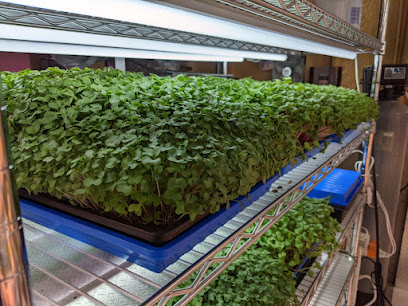
New Hampshire’s climate poses a significant challenge to traditional agriculture. With a frost-free period that often lasts fewer than 120 days in northern regions, the outdoor growing window is restrictive. Indoor farming, specifically hydroponic microgreen production, mitigates these environmental constraints entirely. By utilizing vertical racks and LED lighting, growers like Monadnock Microgreens decouple their production from external temperature fluctuations.

Water management is another crucial factor. While New Hampshire is generally water-rich, the efficiency of hydroponic systems—which use up to 90% less water than soil-based farming—is an environmental advantage. These systems allow growers to control nutrient delivery with precision, ensuring that the final product meets high quality-assurance ratings, such as the 5-star performance observed at Phil's Crispy Greens. The ability to maintain a consistent, year-round harvest is the primary driver of the state's transition toward CEA.

Sourcing Locally in NH

For restaurants, chefs, and consumers looking to integrate local microgreens into their supply chain, the following strategies are recommended:

  • Direct-to-Retail Partnerships: Establish accounts with verified retailers like Phil's Crispy Greens to ensure freshness and reduce the carbon footprint associated with long-haul shipping.
  • Direct Farm Procurement: Contact specialized growers like Monadnock Microgreens for bulk orders. This reduces middleman costs and allows for custom crop cycles tailored to specific culinary needs.
  • Market Integration: Utilize local farmers' markets in Rochester and Keene as primary discovery points for new, emerging indoor growers.
  • Quality Verification: Always prioritize growers who provide transparent data regarding their growing medium and water testing, ensuring the highest safety standards for raw consumption.

Frequently Asked Questions

Q: Why is indoor farming growing in New Hampshire?

A: New Hampshire's short growing season and harsh winters make traditional outdoor farming difficult for year-round supply. Indoor vertical farming allows producers to maintain a consistent harvest throughout the year.

Q: Where can I find microgreens in New Hampshire?

A: Currently, verified production is concentrated in Rochester and Keene. You can source them through specialized health food stores like Phil's Crispy Greens or directly from producers like Monadnock Microgreens.

Q: Are microgreens from NH farms more sustainable?

A: Yes. Local microgreens reduce the 'food miles' associated with shipping produce from large-scale industrial farms in other states, and hydroponic systems used by these growers are highly water-efficient.