The Microgreens Market in New Jersey
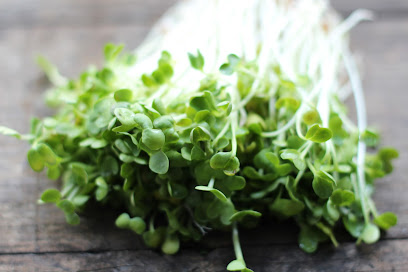
New Jersey’s microgreens market currently operates as a lean, high-efficiency sector. While the state is historically known as the 'Garden State' for its sprawling field crops, the modern pivot toward controlled environment agriculture (CEA) is reshaping local supply chains. With only two verified major operations currently dominating the landscape, the market is characterized by high-quality, boutique production rather than mass-market volume. Greenwave Farm and FAVORED FARMS MICROGREENS represent the current standard, both maintaining perfect ratings by focusing on rapid harvest-to-table logistics. This model minimizes the degradation of delicate plant tissues, a common issue in long-haul distribution of micro-vegetables.
Top Cities for Fresh Greens
Urban farming in New Jersey is concentrated in specific nodes where infrastructure and market access converge. Camden and Phillipsburg serve as the primary hubs for current production.
- Camden: This city provides a vital intersection for logistics and labor. The presence of urban agricultural operations here allows for immediate access to the Philadelphia metropolitan corridor. Growers in Camden leverage existing industrial real estate to house vertical racking systems, reducing the need for traditional greenhouse space.
- Phillipsburg: Positioned in the western part of the state, Phillipsburg serves as a strategic point for regional distribution. The urban farm density here benefits from access to both rural supply networks and the densely populated northern NJ/NYC consumer base.
The concentration of farms in these cities is not accidental. Both locations offer the necessary grid reliability and commercial zoning required for indoor hydroponic and aquaponic systems, which are significantly more energy-intensive than soil-based outdoor farming.
New Jersey Climate & Indoor Farming
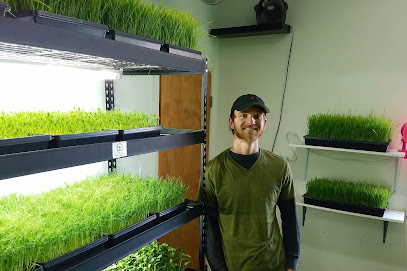
New Jersey’s climate is humid subtropical, characterized by distinct seasonal shifts. These variations present significant challenges for field-grown crops, particularly during the humid, pest-heavy summers and the freezing winters. Indoor farming bypasses these variables entirely. By utilizing vertical farming techniques, operators in NJ eliminate the risk of late-spring frosts and the high moisture levels that often lead to mold outbreaks in field-grown microgreens.
Water management is another factor driving the indoor shift. New Jersey has specific regulatory frameworks regarding groundwater usage and runoff. Indoor hydroponic systems recirculate water, often using 90% less than traditional soil farming. This efficiency is critical for urban growers who pay municipal water rates. Furthermore, by controlling the photoperiod through LED technology, NJ growers can maintain consistent production cycles year-round, regardless of the reduced daylight hours in winter months. This stability allows for contract-based supply agreements with local restaurants, providing a predictable revenue stream that outdoor farming cannot guarantee.
Sourcing Locally in NJ
For restaurants, distributors, and residents looking to source high-quality microgreens, the current supply chain is direct and localized. To ensure the freshest product, consider the following:
- Verify Harvest Schedules: Always ask for the harvest date. Microgreens lose nutritional density and flavor profile within 48-72 hours of harvest.
- Direct Farm-to-Restaurant Partnerships: Utilize the existing verified networks like Greenwave Farm and FAVORED FARMS MICROGREENS. Direct purchasing eliminates middlemen, ensuring lower prices and higher product turnover.
- Evaluate Grow Mediums: Inquire whether the farm uses organic soil, coconut coir, or hydroponic mats. The medium significantly impacts the flavor and shelf-life of the final product.
- Logistics Planning: Since NJ is a dense state, regional delivery is feasible. Coordinate with growers in Camden or Phillipsburg to establish a standing order that aligns with their specific planting cycles.