The Microgreens Market in Pennsylvania
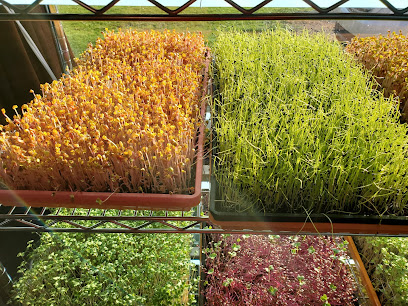
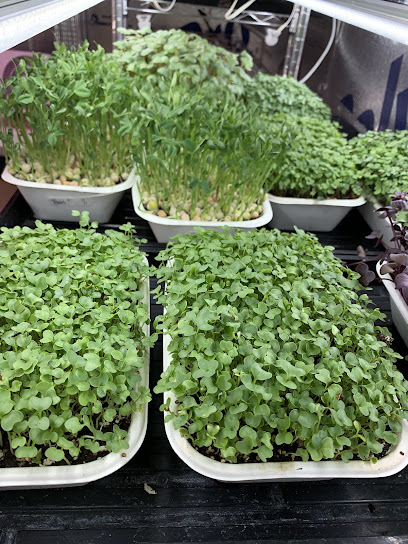
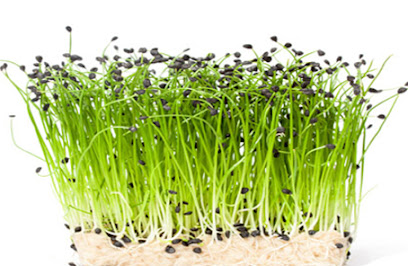
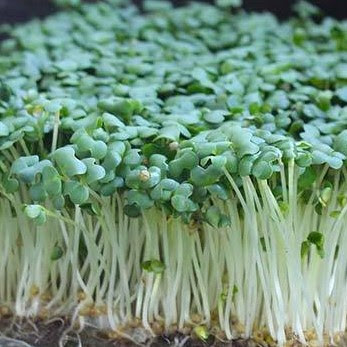
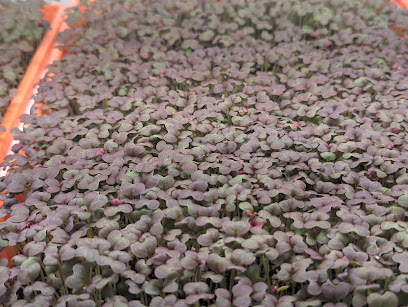
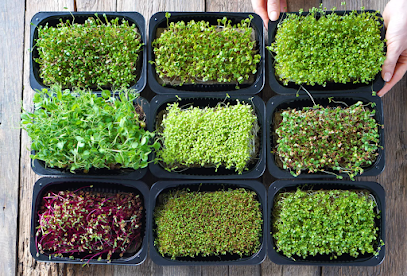
Pennsylvania’s microgreens market is shifting from experimental hobby farming to specialized, high-yield commercial production. Currently, there are 9 verified farms operating across the state, focusing on rapid-cycle crops like sunflower shoots, pea tendrils, and radish microgreens. These crops provide a high turnover rate, crucial for urban producers managing limited square footage. Quality in the Pennsylvania market is exceptionally high, with several top-rated producers like Tlush Family Farm, Verde Valley Urban Micro-Greens LLC, and Tuscan Gardens Microgreens maintaining perfect 5-star ratings. This high consumer satisfaction suggests a mature, quality-conscious market segment that values hyper-local freshness over mass-produced, long-distance imports.
Top Cities for Fresh Greens
The geography of Pennsylvania’s urban farming is not distributed evenly. Allentown stands out as the primary hub, hosting 33% of the state’s verified operations. This density in Allentown likely stems from its proximity to massive distribution corridors and a robust restaurant sector that demands daily fresh deliveries. Other critical nodes include King of Prussia, Philadelphia, Scranton, Carlisle, West Mifflin, and Colonial Park. These cities serve as the backbone of local food security, reducing the carbon footprint of perishable greens. Philadelphia, despite its size, shows room for growth in micro-scale indoor agriculture, while the emergence of farms in smaller markets like West Mifflin and Carlisle highlights the scalability of the model in diverse demographic zones.
Pennsylvania Climate & Indoor Farming
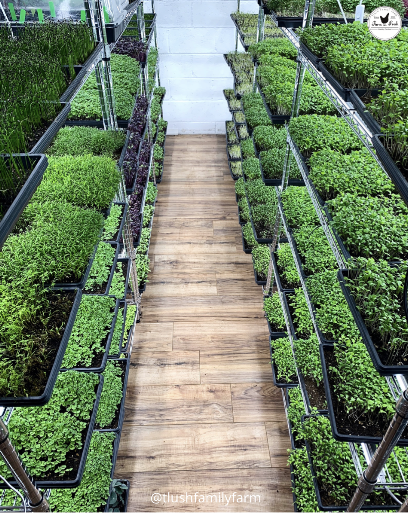
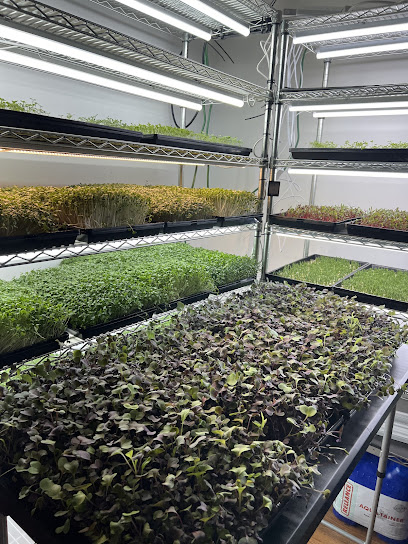
Pennsylvania’s climate presents significant challenges for traditional field agriculture. With humid continental weather, growers face harsh, freezing winters and volatile spring thaws. These conditions make year-round outdoor farming impossible for delicate crops like microgreens. Consequently, indoor vertical farming and hydroponic systems have become the standard. These controlled environment agriculture (CEA) setups allow growers to bypass Pennsylvania's frost dates and erratic precipitation. Hydroponics, in particular, is gaining traction because it minimizes water waste—an essential consideration for urban facilities that must manage utility costs in older, retrofitted buildings. By controlling light spectra, humidity, and nutrient delivery, Pennsylvania farmers can simulate ideal growing conditions regardless of the external temperature. This technological shift is essential for maintaining a consistent supply chain for local chefs and grocers during the winter months, when demand for fresh, nutrient-dense produce remains high.
Sourcing Locally in PA
For restaurants, distributors, and home chefs looking for the freshest produce, the following entities offer high-quality options across the state:
- Verde Valley Urban Micro-Greens LLC: A top-rated farm specializing in consistent indoor production.
- Tlush Family Farm: A highly regarded source for diverse microgreen varieties.
- Tuscan Gardens Microgreens: Utilizing greenhouse technology to ensure year-round availability.
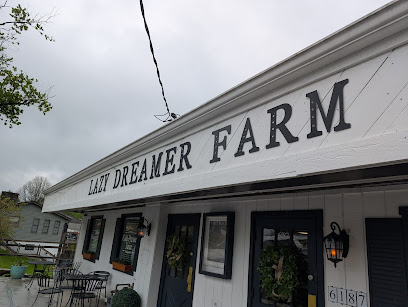
- Lazy Dreamer Farm: A unique model integrating coffee shop culture with fresh greens.
- Groovy Greens, LLC: Operates as a farm shop, providing direct access for local consumers.
- Valley Microgreens: A key player in the regional supply chain.
- PA Microgreens: Focused on food production for local culinary markets.
- Once Upon A Village Microgreens: A local farm dedicated to small-batch, high-quality greens.
- Famous Microgreens: A specialized producer contributing to the state's growing urban agriculture footprint.