
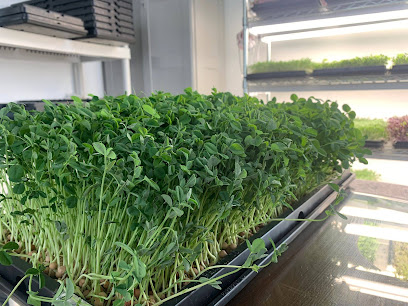
💬 5 reviews⭐ 5
Food producer
Cosecha Urbana PR: : Microgreens, Garnish & More
📍14 Calle 18, Brisas del Campanero, Toa Baja 00949, Puerto Rico
Explore 6 local microgreen producers across 5 cities.
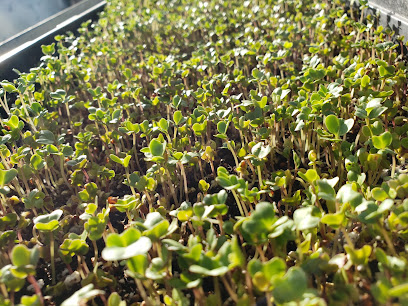
Direct-to-consumer microgreen and vegetable farm. Top products: Microgreens, Vegetables, Farm-fresh baskets. La Torre Agrícola is a local agricultural enterprise based in Toa Baja, Puerto Rico, dedicated to providing fresh, high-quality produce directly from the field to the consumer. Their core product line centers on nutrient-dense microgreens and a variety of seasonal vegetables, often bundled into curated farm baskets. The farm operates with a strong emphasis on health and wellness, promoting the philosophy of eating for healing and maintaining a healthy lifestyle. While currently transitioning their digital presence, they maintain a direct-to-consumer sales model facilitated through personalized communication channels like WhatsApp. Their operations are rooted in a commitment to passionate cultivation and local food security for the surrounding community.
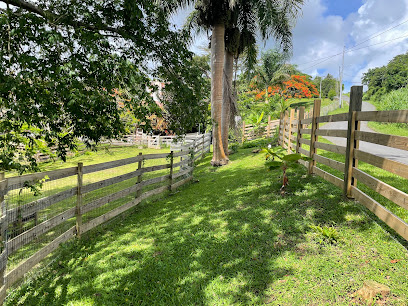
Hybrid Hydroponic and Regenerative Soil-based Farm. Top products: Hydroponic produce, Regenerative organic specialty crops, Single-origin Puerto Rican coffee. Growing Puerto Rico - Finquita Verde integrates engineering and hard sciences to address the island's high reliance on imported produce. The farm utilizes hurricane-resilient, climate-smart hydroponic greenhouses alongside regenerative, organic soil-based methods in Guánica to grow clean, non-GMO food. By bypassing traditional distributors, they provide a direct-to-consumer and B2B supply chain that serves local residents, restaurants, resorts, and specialty markets. Their operations prioritize sustainability by reducing fossil fuel dependency and utilizing water-efficient techniques. Additionally, the farm offers single-origin coffee sourced from the Cordillera Central region, further supporting their mission of local food sovereignty.
 M
M

On-demand microgreen and edible flower farm. Top products: Microgreens, Edible flowers. Monarca Microfarm is a specialized agricultural operation based in Trujillo Alto, Puerto Rico, focused on the cultivation of microgreens and edible flowers. Founded by Rafael and Ceciliana, the farm distinguishes itself through an on-demand growing model, ensuring that products are harvested specifically for each order to maximize freshness and nutrient density. Their primary target market includes local chefs, restaurants, hotels, and individual consumers seeking high-quality, locally grown produce. Beyond commercial production, the farm maintains a mission centered on environmental stewardship, specifically supporting the conservation of the Puerto Rican monarch butterfly. They operate a direct-to-consumer delivery service covering the San Juan metropolitan area, with additional pickup points in Caguas and Bayamón.
The microgreens industry in Puerto Rico is shifting from hobbyist production to a professionalized sector of the island's agricultural economy. With six verified farms currently leading the market, the supply chain is becoming more localized. Producers like Cosecha Urbana PR, Monarca Microfarm, and Growing Puerto Rico - Finquita Verde are setting the standard for quality, achieving perfect 5.0 ratings. These businesses focus on high-turnover crops such as radish, sunflower, and pea shoots, which serve the island's growing culinary scene and health-conscious consumer base. Currently, the market is defined by small-scale, high-intensity production rather than broad-acre industrial farming, allowing growers to maintain strict quality control in controlled environments.
Urban farming in Puerto Rico is concentrated in three primary hubs: Guaynabo, Aguadilla, and Guayama. Guaynabo acts as the primary nerve center for the industry, hosting four of the six verified farms. This concentration is no accident. As a municipality within the San Juan metropolitan area, Guaynabo provides proximity to the highest density of high-end restaurants, luxury hotels, and affluent residential neighborhoods. These establishments prioritize the 'farm-to-table' model, demanding daily deliveries of perishable microgreens that cannot survive the logistics of importation. Aguadilla and Guayama serve as regional outposts, likely leveraging their specific micro-climates and lower real estate costs to supply their respective coastal and southern markets. This geographic spread ensures that fresh greens are accessible across the island, reducing the carbon footprint associated with long-distance food transport.
Puerto Rico’s tropical climate presents a paradox for traditional agriculture. While the year-round warmth is beneficial, the intense humidity, frequent heavy rainfall, and recurring drought cycles make soil-based farming challenging for delicate crops like microgreens. Pathogen pressure, fungal outbreaks, and soil-borne diseases are exacerbated by the island's high humidity. Consequently, the most successful farms, such as Microgreens Del Caribe, Inc., have pivoted toward indoor, climate-controlled systems. Hydroponics and vertical farming are not just modern trends in PR; they are survival strategies. By moving production indoors, growers bypass the limitations of tropical weather. Controlled environment agriculture (CEA) allows these farms to regulate humidity, light spectrums, and water usage precisely. This is critical in a territory that has faced significant water rationing and infrastructural strain. Vertical farming systems consume a fraction of the water required by open-field cultivation, making them the most sustainable agricultural path for the island's urban centers.
For chefs, procurement managers, and residents looking to secure the freshest local greens, the following farms represent the current gold standard in the territory:
When sourcing, prioritize farms that utilize indoor hydroponic systems, as these provide the most consistent quality and the lowest risk of contamination. Establishing direct relationships with these six verified producers ensures that your supply chain remains resilient, even during extreme weather events that often disrupt traditional imports.
A: Guaynabo hosts the highest concentration of farms due to its proximity to the San Juan metropolitan area, where the demand from high-end restaurants and consumers is greatest.
A: High humidity and unpredictable weather cycles make traditional outdoor farming difficult for delicate microgreens. Indoor hydroponics allow for climate control, water efficiency, and reduced disease pressure.
A: Yes. The top-rated farms in the state, such as Cosecha Urbana PR and Monarca Microfarm, utilize controlled environments that minimize exposure to soil-borne pathogens and pests.
The most popular reviews:
Beautiful little fruit and vegetable farm with sheep, ducks, chicken, goats, and kitties, plus a small farm shop with delicious local coffee, honey, microgreens, and other fresh local products.
— Growing Puerto Rico - Finquita VerdeThe products are 100% quality. They maintain their freshness and durability.
— Cosecha Urbana PR: : Microgreens, Garnish & More