Local Microgreens Market in Houston
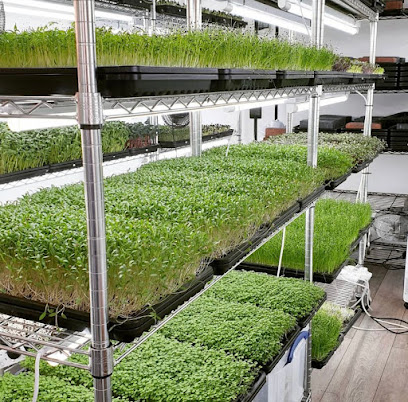
Houston’s microgreen market relies heavily on indoor controlled-environment agriculture. The local climate, characterized by extreme humidity and heat, makes outdoor commercial farming difficult for delicate crops like sunflower shoots or radish microgreens. Consequently, successful Houston growers utilize vertical farming, LED lighting, and climate-controlled rooms to bypass Texas weather patterns. Five primary suppliers define the current landscape, focusing on direct-to-consumer delivery and farmers' market access to ensure the product reaches the kitchen within hours of harvest.
Comparison of Top Growers
| Farm Name | Rating | Specialization | Type |
|---|
| MAREE’S GREENS | 5 | General urban farm | Agricultural production |
| Mighty Greens Houston | 5 | Organic, heirloom, nutrient-dense | Urban Indoor Microgreen Farm |
| Henry's Harvest | N/A | N/A | Farm |
| Moonflower Farms & Technology Center | 4.8 | Technology-integrated growing | Farm |
| Mighty Greens Houston (Branch) | 5 | Organic, heirloom, living foods | Urban Indoor Microgreen Farm |
Deep Dive into Suppliers
MAREE’S GREENS operates as a general urban farm. Their focus on diversified agricultural production provides a reliable, high-rated option for those seeking consistent local quality.
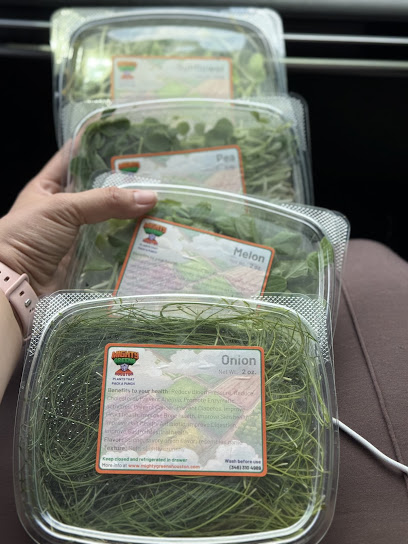
Mighty Greens Houston dominates the space with a sophisticated direct-to-consumer model. By utilizing organic seeds, purified water, and species-specific LED lighting, they ensure a pesticide-free product that maintains high nutritional density.
Henry's Harvest currently lacks accessible digital information. For local buyers, this suggests a farm that likely operates through word-of-mouth or wholesale channels rather than retail e-commerce.
Moonflower Farms & Technology Center integrates agricultural production with a technology-focused approach. Their high rating indicates a strong track record for producing quality yields using advanced cultivation methods.
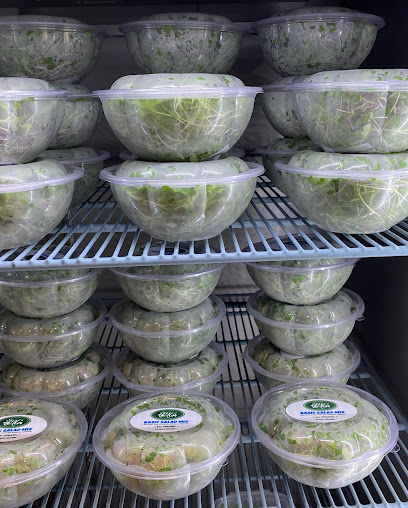
Mighty Greens Houston (Secondary Listing) reinforces the brand's commitment to the Houston community. Their emphasis on harvesting on demand minimizes the time between crop maturity and consumer consumption, which is critical for preserving the delicate enzymes found in microgreens.
Nutritional Science and Urban Utility
Microgreens—the immature stages of vegetables like broccoli, radish, and pea shoots—often contain significantly higher concentrations of vitamins C, E, and K than their mature counterparts. For Houston residents, these crops offer a way to maintain nutrient intake without requiring large garden plots. Broccoli microgreens, for instance, are rich in sulforaphane, a compound linked to cellular health. Pea shoots offer a sweet, crunchy profile high in fiber, making them an ideal staple for urban diets. Because these plants are harvested at the cotyledon stage, they provide a dense nutritional punch in a small, manageable serving size.
Buying Guide for TX Residents
- Check for Turgidity: Fresh microgreens should stand upright. If they appear wilted or slimy, they have exceeded their peak shelf life.
- Prioritize Local Delivery: Houston’s heat degrades nutrients quickly. Opt for farms that harvest on-demand and deliver within 24 hours.
- Verify Growing Practices: Seek out farms using organic seeds and non-GMO varieties to avoid potential pesticide exposure.
- Storage Matters: Always store microgreens in a refrigerator, ideally in a breathable container. Avoid plastic bags that trap excess moisture, which can cause premature decay.
- Support Seasonal Cycles: While indoor farming is consistent, supporting local growers ensures that your food dollars stay within the Houston economy rather than funding long-haul logistics.

 M
M