Local Microgreens Market in Springville
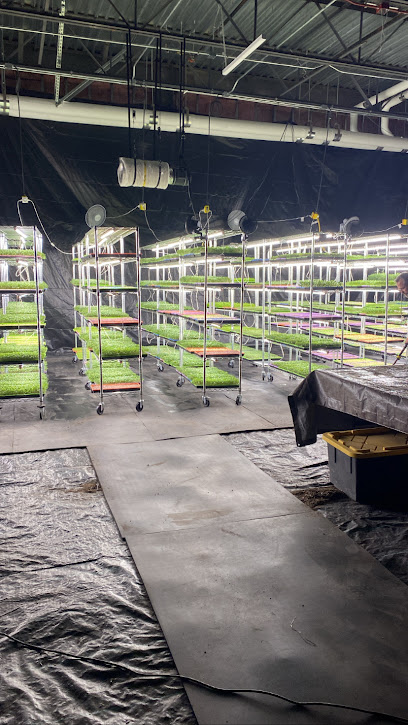
Springville residents have access to a concentrated microgreens market that prioritizes indoor cultivation. With two distinct suppliers serving the region, the local supply chain relies heavily on climate-controlled vertical farming. Utah's climate, characterized by arid conditions and extreme seasonal temperature fluctuations, makes traditional soil-based outdoor farming difficult for delicate greens. Indoor farming solves this by maintaining consistent humidity and temperature year-round. This setup allows growers to produce high-density nutrient crops like broccoli, radish, and pea shoots regardless of the snow or summer heat.
Comparison of Top Growers
| Farm Name | Rating | Specialization | Type |
|---|
| Mico’s Micro Farm | 5 | Nutrient-dense wellness blends | Farm shop |
| Utah County Microgreens | 5 | General urban agriculture | Farm |
Deep Dive into Suppliers
Mico’s Micro Farm operates as an indoor sustainable agricultural facility focusing on health-centric products. They offer specialized blends like the Detox, Hormone Balance, and Immunity Defense, utilizing direct-to-consumer delivery to maintain peak freshness for their customers.
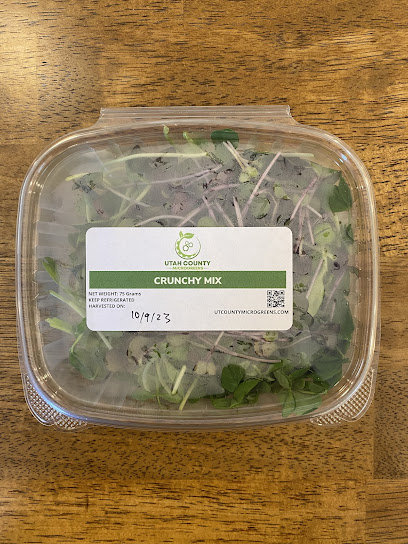
Utah County Microgreens functions as a general urban farm. Their presence in the local market provides residents with an accessible source of locally grown, indoor-produced greens that bypass the long transit times associated with grocery store produce.
The Science of Microgreens
Microgreens are the young seedlings of vegetables and herbs, harvested shortly after the first true leaves appear. Despite their small size, they pack a massive nutritional punch. Broccoli microgreens, for instance, are rich in sulforaphane, a compound linked to cancer prevention and reduced inflammation. Radish microgreens provide a sharp, spicy flavor and contain significant levels of Vitamin C and Vitamin E. Pea shoots offer a sweet, crunchy texture and are high in protein and fiber, making them an excellent addition to salads or smoothies.
For urban residents in Springville, these greens serve as a functional health supplement. The shorter growth cycle means these plants absorb nutrients efficiently, and when grown indoors, they are shielded from the environmental stressors of the Utah landscape, such as high UV exposure and dry mountain air. By consuming locally grown, indoor-raised microgreens, residents ensure they receive produce that has not sat in a warehouse for days, preserving the delicate polyphenols and antioxidants that degrade rapidly after harvest.
Buying Guide for UT Residents
- Check the Stem: Fresh microgreens should stand upright. If the stems appear wilted or slimy, the product is past its prime.
- Moisture Control: The packaging should be dry. Excessive condensation inside the container promotes rapid decay and bacterial growth.
- Harvest Date: Always ask for the harvest date. Microgreens are best consumed within 5-7 days of being cut.
- Local Advantage: Purchasing from local urban farms in Utah reduces your carbon footprint significantly compared to buying greens shipped from California or Arizona.
- Storage: Keep your microgreens in the refrigerator at 38-40 degrees Fahrenheit. Do not wash them until you are ready to eat them to prevent early spoilage.