The Microgreens Market in West Virginia
The microgreen industry in West Virginia is currently in its nascent stage. With only one verified commercial producer currently operating, the market exhibits a significant supply-demand gap. Unlike larger agricultural states, West Virginia’s microgreen production remains highly localized and artisanal. This scarcity creates a prime opportunity for indoor farmers who utilize vertical stacking and hydroponic systems to bypass the state’s challenging topography.
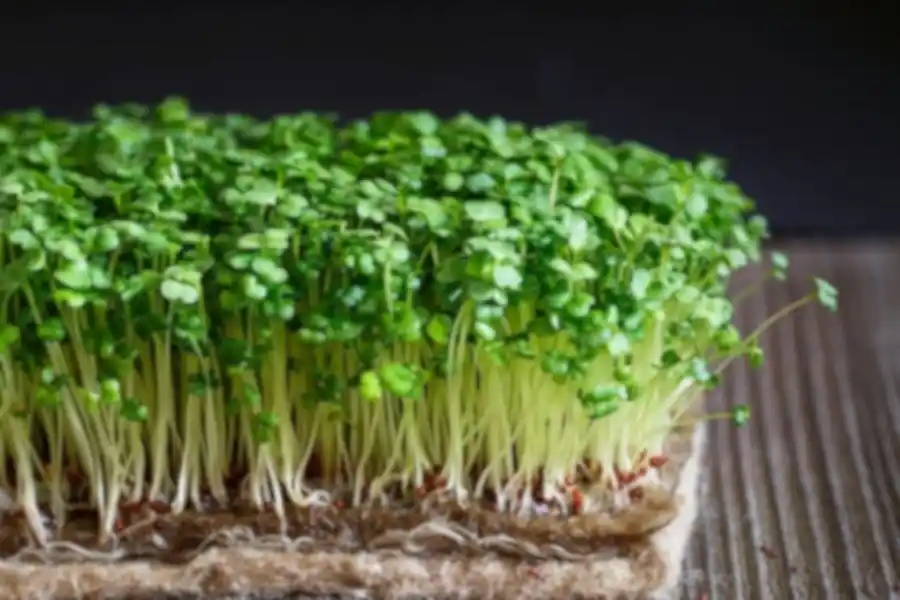
Microgreens, defined by their harvest stage shortly after cotyledon leaf development, offer high nutrient density in a small physical footprint. In West Virginia, the economic model for these crops relies on short supply chains. Because microgreens have a short shelf life, local production is not just a preference; it is a logistical necessity. The current market consists primarily of direct-to-consumer sales, restaurant partnerships, and small-scale farmers' market stalls.
Top Cities for Fresh Greens
Data indicates that Parkersburg is the primary hub for microgreen production in the state. This concentration is not accidental. Parkersburg serves as a significant intersection of logistics and local demand. The city's geography allows for efficient distribution channels, bridging the gap between localized production and suburban consumers.
The emergence of indoor farming in cities like Parkersburg stems from the need to shorten the distance between the grow tray and the dinner plate. As urban density increases, traditional soil-based agriculture faces space constraints. Vertical farming units, which can fit into repurposed commercial spaces or garages, allow producers like Meno Acres Microgreens to operate year-round regardless of the external environment. Parkersburg’s infrastructure supports these small-footprint operations, providing the utility access necessary for LED lighting and climate control systems.
West Virginia Climate & Indoor Farming
West Virginia’s agricultural heritage is deeply rooted in soil-based farming, but the climate poses distinct challenges for year-round produce. The state experiences significant temperature fluctuations and a relatively short outdoor growing season. High humidity during the summer and freezing temperatures in winter make traditional field-grown produce impossible for large portions of the year.
Indoor farming and hydroponic systems mitigate these environmental risks. By moving production inside, farmers gain total control over the micro-environment. This includes managing photoperiods, relative humidity, and nutrient delivery via recirculating water systems. This efficiency is critical in West Virginia, where water conservation and precise nutrient management can prevent runoff into the state's complex watershed systems.
Hydroponics is particularly suited to West Virginia’s landscape. Because the state is characterized by steep terrain, large-scale flat-land farming is limited. Vertical farming negates the need for massive acreage, allowing producers to capitalize on small, non-arable indoor footprints. The ability to grow crops without soil also eliminates the need for expensive soil amendments and reduces the risk of soil-borne pathogens, which is a major advantage for commercial indoor growers.
Sourcing Locally in WV
For restaurants, chefs, and consumers looking to integrate high-quality, local produce into their supply chains, the current landscape is focused on direct engagement. Finding the right supplier requires a shift from traditional wholesale procurement to direct partnership.
- Direct Outreach: Contact verified producers like Meno Acres Microgreens directly to discuss harvest schedules and variety availability.
- Restaurant Partnerships: Many high-end kitchens in the Parkersburg area are now forming exclusive contracts with indoor farmers to ensure a consistent supply of specialty greens like radish, pea shoots, or sunflower microgreens.
- Local Farmers' Markets: These remain the primary point of contact for retail consumers to assess the quality, color, and shelf-life of microgreens before purchasing.
- Subscription Models: Some growers offer weekly 'micro-share' programs, similar to CSAs (Community Supported Agriculture), providing a consistent delivery schedule for local businesses and households.
- Quality Verification: When sourcing, always inquire about the grower's sanitization protocols and water filtration systems, as these are critical indicators of food safety in indoor agricultural environments.

 M
M