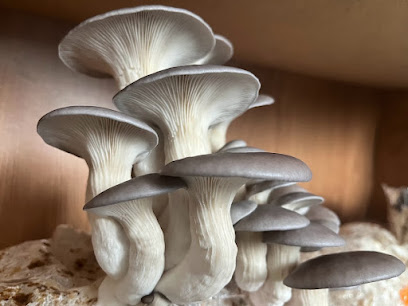
The Rise of Mushroom Farming in Johnstown
Urban agriculture in Johnstown is evolving beyond traditional row crops. Indoor mushroom cultivation is gaining traction as residents look for high-value, nutrient-dense food sources that can be produced year-round. Unlike conventional field crops that depend on short Colorado growing seasons, mushrooms thrive in controlled indoor environments. This shift reduces reliance on long-distance logistics and provides a steady supply of gourmet fungi to local kitchens. Mycology is no longer just a laboratory science; it is becoming a viable local industry for those interested in food security and holistic wellness.
Current Local Growers
Johnstown residents and professionals have access to specialized local expertise. Dank Mushrooms serves as a key player, acting as both a producer and a primary resource for cultivation equipment.
| Business Name | Specialties | Market Presence |
|---|
| Dank Mushrooms | Gourmet mushrooms, mycology supplies, liquid cultures, and freeze-dried products | Windsor Farmers Market, direct retail |
Dank Mushrooms operates by bridging the gap between hobbyists and commercial growers. By offering sterilized grain spawn and master mixes, they enable others to participate in the growing cycle, which strengthens the local ecosystem of producers.
Why Buy Locally Grown in CO?
Colorado’s climate presents a paradox for food production. While the high altitude and intense sun are excellent for specific vegetables, the semi-arid environment is hostile to many gourmet mushrooms that require high humidity and moderate temperatures. Commercial-grade indoor facilities in Johnstown negate these environmental limitations. By growing indoors, farmers manage humidity, air exchange, and temperature with precision. Buying local means receiving mushrooms that have not spent days in transport. Freshness is critical for mushrooms, as their moisture content makes them prone to rapid degradation once harvested. Purchasing from a local facility ensures the product remains firm, flavorful, and at peak nutritional value. Furthermore, supporting local mycology businesses reduces the carbon footprint associated with shipping fragile produce across state lines.
Popular Varieties & Culinary Uses
The local market focuses on mushrooms that offer both flavor and health benefits. Oyster mushrooms are favorites for their versatile, meaty texture. They work well in stir-fries, sautéed with garlic, or as a plant-based substitute in tacos. Lion’s Mane has gained a reputation in health circles for its potential cognitive benefits. It possesses a unique, crab-like flavor when pan-seared, making it a sophisticated addition to seafood-style dishes. Reishi is typically processed for medicinal use rather than culinary application, often brewed as tea or used in extracts due to its bitter, woody profile. These mushrooms provide an efficient way to supplement a diet with beta-glucans and antioxidants. Freeze-dried options, such as those produced by Dank Mushrooms, allow for a 20-year shelf life, ensuring that even during the off-season, residents have access to high-quality fungi for apothecaries or emergency pantry reserves. Mastering the balance of these varieties helps residents integrate diverse fungal profiles into their weekly meal preparation routines, bridging the gap between home-cooked meals and functional nutrition.