
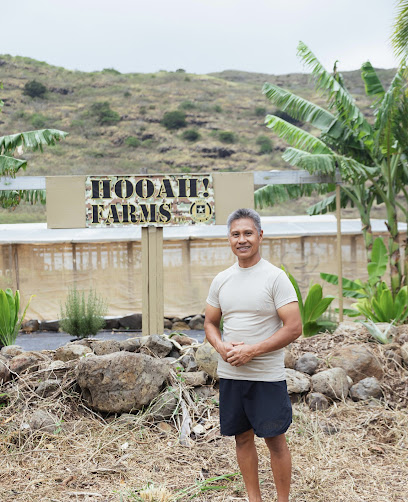
💬 3 reviews⭐ 5
Explore 3 local mushroom producers across 2 cities.
The Hawaiian mushroom market remains a niche but high-value sector. With only three verified farms currently operating at scale, supply is tight. Most produce is routed directly to high-end restaurants or local farmers' markets rather than large retail chains. This creates a high barrier to entry for commercial growers but offers a lucrative opportunity for those mastering controlled-environment agriculture. Because Hawaii imports a significant portion of its fresh produce, local fungi offer a fresher, higher-quality alternative that chefs are willing to pay a premium for. The market is currently driven by culinary demand for gourmet varieties like Oyster, Lion’s Mane, and Shiitake, alongside a growing interest in medicinal mushrooms for wellness applications.
Mushroom farming in Hawaii is geographically centralized. Honolulu currently leads the state with two verified farms, including Hooah Farms and Mushrooms Hawaii Inc. This density is no accident. Honolulu serves as the primary distribution hub for the state, providing immediate access to the largest concentration of high-end culinary establishments and logistical infrastructure. Growers in Honolulu benefit from shorter supply chains, lower transportation costs, and proximity to major shipping ports for importing substrate materials like sawdust or grain spawn.
Makawao stands as the second major hub, hosting Mother Mushrooms. Unlike the urban-centric model of Honolulu, the Makawao presence suggests a focus on different operational scales, potentially leveraging the higher altitudes and cooler ambient temperatures of upcountry Maui. This diversity in geography allows for a broader range of species cultivation, as different microclimates support varying fruiting requirements.
Hawaii presents a unique set of challenges and advantages for mycologists. The state’s high ambient humidity is a double-edged sword. While it reduces the need for aggressive misting systems compared to arid environments, it also increases the risk of contamination from airborne pathogens and unwanted mold spores. Indoor cultivation is the standard for commercial success here, as external forest environments are often too unpredictable for standardized, year-round production.
Successful farms in Hawaii utilize sophisticated climate-controlled fruiting chambers. These systems manage CO2 levels, temperature, and humidity with surgical precision. Because electricity costs in Hawaii are among the highest in the United States, growers must prioritize energy-efficient HVAC and insulation strategies. Without these, the cost of production becomes unsustainable. Furthermore, the reliance on imported substrates—such as hardwood pellets or agricultural byproducts—adds a layer of logistical complexity. Growers who successfully navigate these high input costs by focusing on high-margin, rare, or medicinal varieties are the ones currently dominating the local landscape.
For restaurants, retailers, and home consumers looking to integrate local fungi into their supply chains, the following entities are the primary points of contact:
When sourcing, consider direct-to-farm orders to minimize the time between harvest and consumption. Mushrooms are highly perishable, and the humid climate of Hawaii accelerates degradation. Establishing a direct relationship with these three entities is the most effective way to ensure product quality and supply reliability.
A: There are 3 verified farms operating across the state.
A: Honolulu offers the best logistical infrastructure, proximity to high-end restaurant demand, and efficient shipping access for necessary cultivation supplies.
A: High electricity costs for climate control systems and the logistical cost of importing cultivation substrates are the primary challenges for Hawaii-based growers.
The most popular reviews:
Aloha Sam. Pleasure to meet you at the farmers market. As I told you, I am just a simple guy who enjoys healthy food. Your product is beyond impressive. It belongs on every table. We are what we eat. I have been blessed to have had the opportunity to taste good food in my life time. Fresh is best. I served well over a million people in my 20+ years of waiting tables. Every chef in Hawaii should know about you, your dedication, your ambition and your products. You exude with integrity. Your product is 5 star 5 diamond. My opinion counts because I have been there and done that. The last thing a professional waiter ever wants to hear is a complaint about a serving on a plate that is not up to par. Respects, thanks for your service and may the chefs' in Hawaii continue to support your business venture. The customer is #1. Scott
— Hooah Farms