The Mushroom Market in Illinois
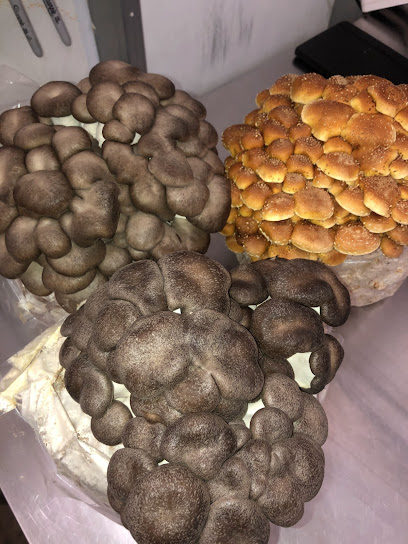
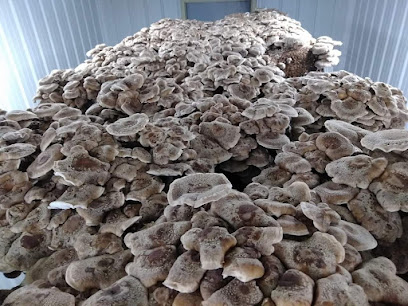
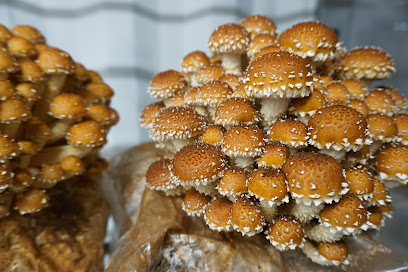
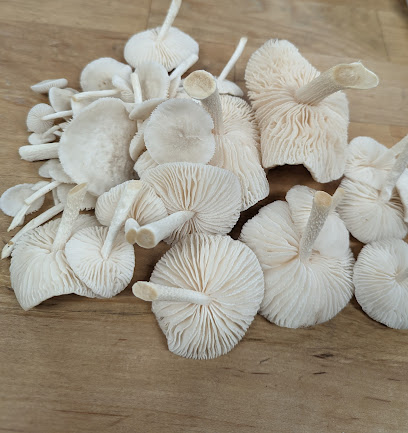
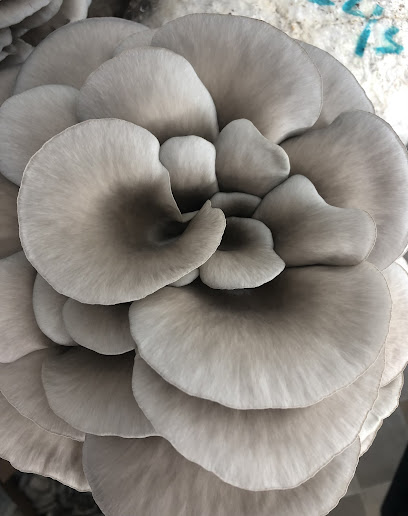
The Illinois mushroom market is currently characterized by a transition from small-scale hobbyist operations to sophisticated, high-yield agricultural production. With 12 verified farms operating across the state, the industry is increasingly focused on gourmet varieties like Lion's Mane, Oyster, and Shiitake. Demand is driven by local farm-to-table restaurants and an increasing consumer interest in functional, medicinal fungi. While traditional row-crop agriculture dominates the state's land use, the mushroom sector offers a high-value alternative that requires minimal acreage, making it an ideal model for the state's urban and peri-urban regions.
Top Cities for Gourmet Fungi
Geography dictates the distribution of Illinois mushroom farming. Chicago serves as the primary hub, hosting four major verified farms. This concentration is a direct result of the dense population and the high concentration of high-end culinary establishments that prioritize fresh, locally sourced ingredients. Proximity to these markets reduces the 'cold chain' logistics, ensuring that delicate mushrooms arrive at kitchens within hours of harvest.
- Chicago: The primary nexus for mushroom distribution, home to Four Star Mushrooms, Windy City Mushrooms, and other key players.
- Goreville, Mundelein, Oswego, Kankakee, Machesney Park, Wauconda, Fox River Grove, and Palos Park: These cities represent the decentralized growth of the industry. Each supports a critical farm, acting as regional supply points that serve both suburban demand and local farmers' markets.
The clustering in Chicago suggests a model where indoor climate-controlled facilities utilize vertical space in industrial zones to bypass the limitations of traditional farmland, while rural-adjacent farms in places like Goreville utilize larger footprints to potentially experiment with log-grown varieties.
Illinois Climate & Mushroom Cultivation
Illinois presents a distinct set of environmental variables for mycologists. The state experiences a humid continental climate, characterized by significant seasonal fluctuations in temperature and humidity. For outdoor, log-based cultivation, these conditions are favorable during the temperate spring and autumn months, providing the natural moisture required for species like Shiitake. However, the extreme heat of mid-summer and the freezing temperatures of winter necessitate indoor climate-controlled environments for year-round production.
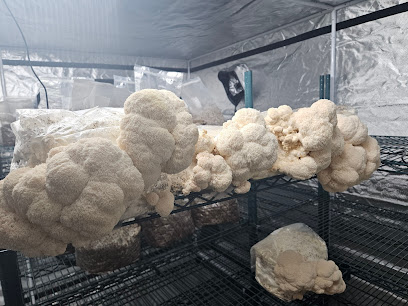
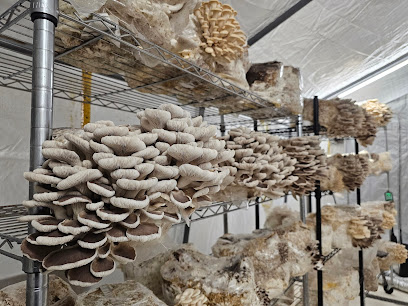
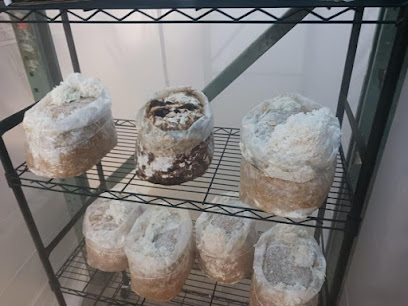
Successful Illinois growers rely heavily on fruiting chambers equipped with precise HVAC systems. These systems manage the 'Vapor Pressure Deficit' (VPD), which is critical for mushroom development. In Chicago and other urban centers, the ability to maintain consistent humidity—typically between 80% and 95%—within an indoor environment is the primary competitive advantage. As the state's climate becomes more erratic, indoor vertical farming provides a buffer against external weather volatility, ensuring a stable supply of high-quality, medicinal-grade fungi regardless of the outdoor ambient conditions.
Sourcing Locally in IL
For chefs, retailers, and home consumers looking to source high-quality, verified Illinois-grown mushrooms, the following options provide the most reliable supply chains:
- Four Star Mushrooms: A premier food products supplier in Chicago with a perfect 5-star rating, ideal for high-volume culinary needs.
- Windy City Mushrooms: Another top-tier Chicago supplier, specializing in consistent, high-quality production for professional kitchens.
- Thrive Mushrooms: A dedicated agricultural production facility that focuses on high-yield, consistent gourmet crops.
- Booming Acres: A specialized hobby store, excellent for those looking to start their own cultivation or purchase specialized supplies.
- From Spore to More: A high-rated produce market option for those seeking retail-ready, fresh-harvested gourmet varieties.
- Direct Farm Partnerships: Engaging directly with producers like Iconic Fungi, Golden Gills Mushrooms, or the Myco Mission Gourmet Mushroom Farm allows for lower supply costs and access to niche, seasonal species that may not reach mainstream distribution channels.
By prioritizing these verified local producers, stakeholders contribute to the reduction of food miles and support the growth of the state's specialized mycology sector.