The Mushroom Market in Kansas
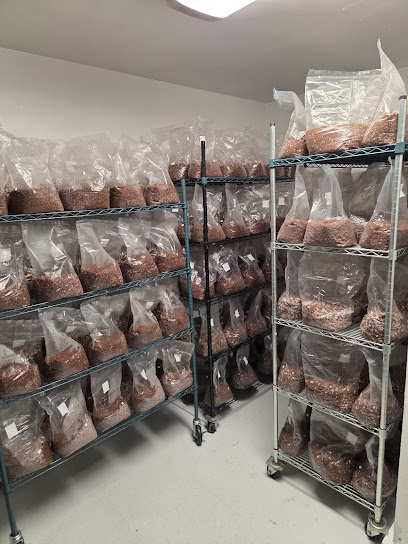
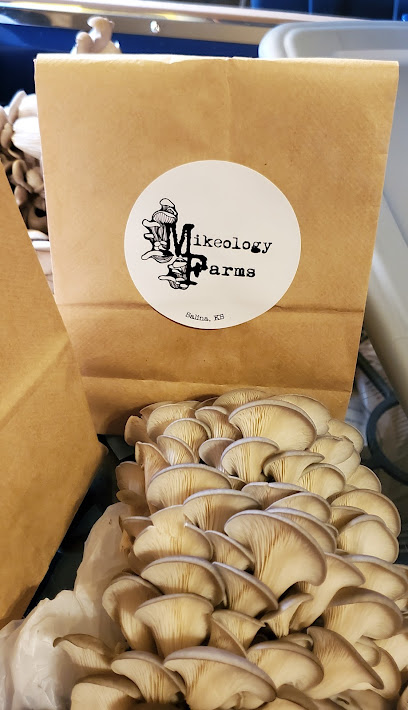
The gourmet mushroom market in Kansas operates primarily through small-scale, high-intensity indoor cultivation. Unlike states with expansive forest canopies, Kansas is dominated by prairie ecosystems, which limits the viability of traditional log-grown shiitake operations. Consequently, the industry relies on climate-controlled indoor fruiting chambers. Current data identifies two primary verified commercial entities: Myers Mushrooms LLC and Mikeology Farms. These farms focus on high-turnover species like Oyster (Pleurotus ostreatus), Lion's Mane (Hericium erinaceus), and various gourmet wood-loving varieties. The market is currently supply-constrained, meaning demand from upscale restaurants and local farmers' markets often outstrips the current production capacity of these two verified hubs.
Top Cities for Gourmet Fungi
Mushroom cultivation in Kansas is geographically centralized around urban centers that offer proximity to distribution networks. Salina and Haysville currently stand as the primary hubs for verified operations. Salina, positioned as a central logistical node in the state, provides growers like Myers Mushrooms LLC access to both western and eastern Kansas markets. Haysville functions as a southern agricultural outpost, allowing Mikeology Farms to serve the metropolitan demand of the Wichita area. These cities are strategic; they provide stable utility costs and access to agricultural substrates like wheat straw and hardwood sawdust, which are byproducts of the broader Kansas agricultural economy. Growers choose these locations to minimize transport times for highly perishable fruiting bodies, ensuring that mushrooms reach the consumer within 24 hours of harvest.
Kansas Climate & Mushroom Cultivation
Kansas presents a challenging environment for outdoor mycology. The state’s climate is characterized by extreme temperature fluctuations, low relative humidity, and high wind speeds—factors that are generally hostile to the delicate mycelial networks of gourmet mushrooms. Most wild fungi in Kansas are limited to specific riparian zones or post-storm events, making commercial wild foraging unreliable. Therefore, professional growers rely on indoor climate control. Successful cultivation requires advanced HVAC integration to maintain humidity levels between 85% and 95% while managing CO2 levels to prevent stem elongation in species like Oysters. The extreme heat of Kansas summers necessitates robust evaporative cooling systems, while the dry winters require significant steam humidification. By bypassing the local climate through indoor technology, Kansas growers have successfully decoupled mushroom production from the state’s erratic weather patterns, allowing for year-round harvesting schedules that satisfy local culinary demand.
Sourcing Locally in KS
For restaurants, chefs, and home cooks seeking fresh, local produce, the supply chain is highly direct. Since the industry is currently concentrated in Salina and Haysville, procurement typically occurs through the following channels:
- Direct-to-Chef Programs: Contact Myers Mushrooms LLC and Mikeology Farms directly to inquire about weekly harvest yields and restaurant-specific pricing tiers.
- Local Farmers' Markets: Both Salina and Haysville-based growers utilize local market circuits as their primary retail interface. This is the most reliable way to secure small batches of specialty varieties.
- Community Supported Agriculture (CSA): Some growers are beginning to integrate mushroom shares into existing vegetable CSA models, providing a consistent weekly supply of fungi alongside seasonal produce.
- Social Media Direct Ordering: Given the small number of verified farms, these operations often manage inventory and pre-orders through direct messaging platforms, allowing them to bypass traditional retail markups.
The current state of the Kansas mushroom industry is defined by precision and specialization. With only two verified major hubs, the market is ripe for growth. As consumer interest in plant-based proteins and functional foods rises, these existing facilities are laying the groundwork for a more robust regional mycology network.