The Mushroom Market in Maine
Maine’s mushroom industry has transitioned from a niche foraging hobby to a sophisticated agricultural sector. Seven verified producers currently anchor the market, supplying high-end restaurants, farmers' markets, and health-conscious consumers. The market is defined by high-quality, lab-grown gourmet strains including Lion’s Mane, Oyster, and Shiitake. While wild foraging remains a cultural staple, the commercial market relies heavily on climate-controlled indoor production to ensure year-round supply. Prices for these specialty fungi remain premium due to the labor-intensive nature of substrate preparation and humidity management required to achieve high-grade fruiting bodies.
Top Cities for Gourmet Fungi
The distribution of mushroom farms in Maine is not uniform. Freeport stands out as the primary hub with two verified farms, likely due to its proximity to the Portland metro area and its robust supply chain infrastructure. Other key production centers include South Sanford, Portland, Springvale, Turner, and Damariscotta.
- Freeport: The state’s center of mycological production. Proximity to major transit routes allows for rapid distribution of delicate, highly perishable crops.
- Portland: Acts as the primary culinary hub. Local farms here benefit from a dense concentration of farm-to-table restaurants.
- South Sanford & Springvale: These regions utilize lower overhead costs and larger agricultural footprints to scale production.
- Turner & Damariscotta: These towns provide regional distribution points, serving rural Maine and local farm-stand networks.
The geographic clustering in these six cities suggests that successful Maine mushroom farming relies on access to urban markets rather than proximity to raw forest materials. Growers are prioritizing climate control and logistics over traditional forest-based foraging.
Maine Climate & Mushroom Cultivation
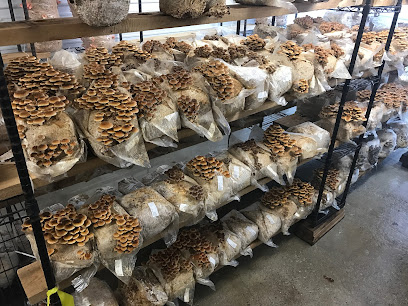
Maine’s climate poses significant challenges and advantages for mycologists. The state experiences high ambient humidity during the shoulder seasons, which is ideal for mushroom growth, yet the harsh, freezing winters necessitate indoor intervention. Most commercial producers utilize sophisticated fruiting chambers to bypass the state’s natural dormancy cycles.
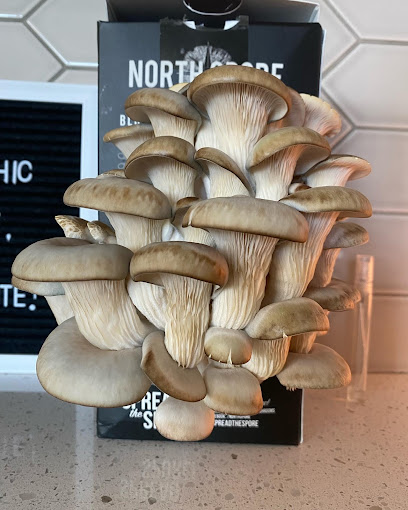
Indoor cultivation is the standard because it allows for precise control over CO2 levels, light exposure, and humidity. In a Maine facility, growers often use insulated containers or retrofitted warehouses. By manipulating the environment, farmers can mimic the specific forest floor conditions—such as the cool, damp, shaded environments found in Maine’s hardwood forests—all year long. This technical approach allows farms like North Spore (4.9 rating) and Forest Floor Fungi (5.0 rating) to maintain consistent yields regardless of the outside temperature. The reliance on indoor chambers is the primary factor allowing Maine’s mycological sector to operate as a viable, year-round business rather than a seasonal venture.
Sourcing Locally in ME
For restaurants and residents looking to source high-quality, locally grown fungi, the following suppliers represent the current market leaders based on verified ratings and operational scale:
- North Spore: A premier farm with a 4.9 rating, widely recognized for high-yield, consistent production.
- Tripping Gnome Farm: Maintains a 4.9 rating; ideal for those seeking organic, small-batch gourmet varieties.
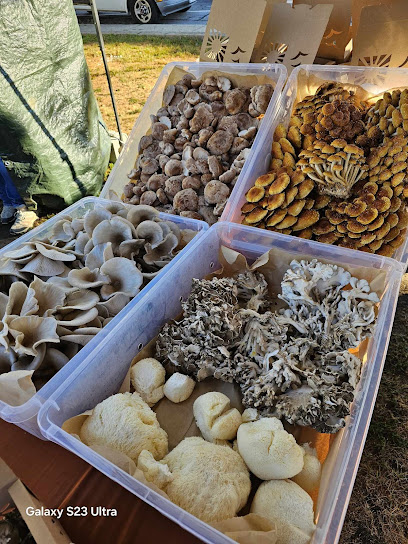
- fruit of the shroom llc: A top-rated farmers' market supplier with a perfect 5-star rating, perfect for direct-to-consumer purchases.
- Forest Floor Fungi: Holds a 5-star rating; known for exceptional quality control and local distribution.
- Mousam Valley Mushrooms Organic: A reliable organic source with a 4.6 rating, catering to health-conscious retail outlets.
- Frost Gully Farm: A key producer contributing to the state’s agricultural diversity.
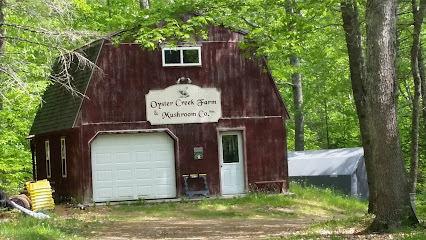
- Oyster Creek Mushroom Company: A specialized food products supplier essential for the broader supply chain ecosystem.
When selecting a supplier, prioritize farms that provide transparency regarding their substrate sources, as this directly affects the nutrient profile and safety of the final product. Many of these farms offer subscription models or weekly drops at local farmers' markets, which serve as the most effective method for securing the freshest inventory.