The Rise of Mushroom Farming in Garden City
Urban agriculture in Garden City, Michigan, is evolving beyond traditional row crops. Local producers have increasingly turned their focus toward controlled-environment agriculture, specifically gourmet mushroom cultivation. Fungi represent a significant opportunity for indoor farming because they do not require large tracts of arable land or specific soil quality. By utilizing vertical shelving and climate-controlled rooms, growers can produce high-value crops year-round regardless of Michigan’s unpredictable weather patterns. This shift addresses a growing demand for locally sourced ingredients that bypass the long transit times associated with conventional grocery store produce. As residents become more interested in the origin of their food, farms like Stoney Creek Mushrooms have established themselves as vital links in the Southeastern Michigan culinary supply chain, providing fresh, specialty fungi to chefs and home cooks alike.
Current Local Growers
The following table lists active mushroom cultivators contributing to the local Garden City food scene and the surrounding Michigan region.
| Farm Name | Primary Specialties |
|---|
| Stoney Creek Mushrooms | Nebrodini Bianco (White Elves), gourmet fungi, microgreens, wild foraged mushrooms |
Stoney Creek Mushrooms operates as a primary producer in the region. They specialize in high-demand gourmet varieties that are often difficult to source through standard commercial channels. By focusing on consistency and quality, they serve as a benchmark for local agricultural operations.
Why Buy Locally Grown in MI?
Michigan's climate presents distinct challenges for traditional outdoor farming. Cold winters and erratic spring thaw cycles can limit the growing season for many crops. Indoor mushroom farming effectively removes these environmental limitations. Growers in Garden City maintain precise control over humidity, light, and temperature, which are critical for the development of delicate gourmet mushrooms. Purchasing locally means consuming produce within hours of harvest. Fungi are biologically active and continue to respire after being picked; extended time in storage leads to a loss of texture and flavor. Local sourcing ensures that ingredients remain firm and aromatic. Furthermore, reduced transport distances lower the carbon footprint associated with culinary ingredients, aligning with broader sustainability goals in the Michigan agricultural sector.
Popular Varieties & Culinary Uses
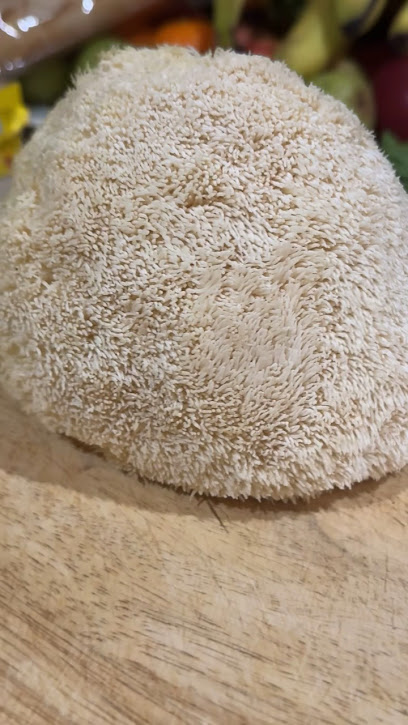
Culinary and medicinal mushrooms vary greatly in flavor profile and preparation requirements. Varieties like Nebrodini Bianco, often referred to as White Elves, provide a dense, meaty texture that works exceptionally well in sautés or as a primary protein substitute in vegetarian dishes. These mushrooms are prized for their mild, umami-rich flavor that balances well with butter, garlic, and fresh aromatics.
Other common gourmet varieties found in local markets include oyster mushrooms, known for their versatility in soups and stir-fries, and lion’s mane, which is frequently lauded for its seafood-like texture. Culinary enthusiasts often utilize these mushrooms in farm-to-table recipes that prioritize simple preparation methods, such as pan-searing or roasting, to highlight the natural characteristics of the fungus. Beyond culinary use, there is growing interest in the wellness applications of specific fungi. While culinary mushrooms focus on flavor, medicinal-leaning varieties like cordyceps or reishi are increasingly sought after for their purported adaptogenic benefits. Garden City residents can now access these diverse options locally, supporting the regional economy while improving the quality of their home-cooked meals.