The Rise of Mushroom Farming in Overland
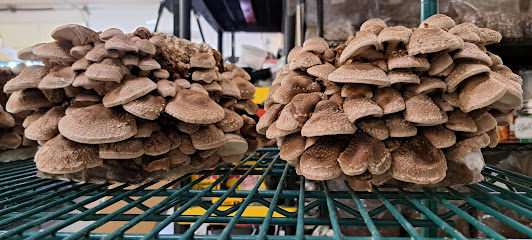
Overland residents are increasingly turning toward high-quality, locally sourced produce. As the demand for fresh, nutrient-dense food grows, urban farming has expanded to include sophisticated mycological operations. Indoor mushroom cultivation is changing how local kitchens source their ingredients. By moving production into controlled environments, local growers bypass the unpredictability of Missouri's weather. This transition ensures a year-round supply of gourmet and medicinal mushrooms that remain free from the logistical delays of long-distance shipping.
Current Local Growers
The agricultural landscape in Overland benefits from specialized operations that maintain high standards of quality control. Producers like BLH Farm emphasize rigorous cultivation practices, ensuring products meet strict safety benchmarks such as USDA M-GAP audits. These operations not only provide fresh produce to the community but also support the broader mycology sector through the distribution of mushroom grain spawn.
| Farm Name | Specialties | Key Features |
|---|
| BLH Farm | Gourmet mushrooms, microgreens, grain spawn | USDA Organic certified, M-GAP audited |
Why Buy Locally Grown in MO?
Missouri presents unique challenges for traditional outdoor agriculture. The state experiences humid summers, unpredictable springs, and cold winters that can significantly impact crop yield and consistency. Indoor mushroom farming eliminates these variables. Because mushrooms require specific temperature, humidity, and airflow levels, indoor farms create an optimized micro-climate for growth. This results in superior texture and flavor profile compared to imported products that have spent days in transit. When you purchase locally grown fungi in Overland, you receive produce harvested at peak freshness, often within hours of reaching your kitchen. This is critical for delicate varieties like golden enoki or oyster mushrooms, which lose moisture and flavor rapidly after harvest.
Popular Varieties & Culinary Uses
The local market features a robust selection of mushrooms, each serving distinct culinary or wellness roles. Oyster mushrooms are favorites for their versatile, mild flavor and firm texture; they hold up well in stir-fries, soups, or even as a grilled meat substitute. Shiitake mushrooms offer a deep, savory umami quality, making them essential for enhancing the depth of stocks and sauces. Lion’s mane has gained significant attention for its dense, seafood-like consistency and reported cognitive health benefits, often sliced into 'steaks' or pulled into shreds for tacos. Beyond these, the availability of specialized varieties like clustering trumpets and maitake allows home cooks to experiment with textures that are rarely found in traditional grocery stores. Furthermore, the local availability of grain spawn empowers home enthusiasts to start their own cultivation projects, bridging the gap between passive consumption and active involvement in local mycology.