
Verified Mushroom Farm in Springfield
Showing 1 organic producers near you
Switch city:
Loading Map...
Top Rated Farms in SPRINGFIELD
The Rise of Mushroom Farming in Springfield
Urban agriculture in Springfield is shifting toward high-value, indoor-controlled crops. Mushroom cultivation is leading this trend, as it allows growers to produce nutrient-dense food year-round, regardless of Missouri’s volatile weather. By utilizing vertical space and climate-controlled environments, local producers provide a fresh, sustainable alternative to supermarket fungi that often travel thousands of miles before reaching the consumer.
Current Local Growers
The following table outlines prominent producers currently serving the Springfield area. These operations prioritize local distribution and freshness.
| Farm Name | Specialty |
|---|---|
| Mushroom Hollow Farm | Gourmet food-grade mushrooms |
Why Buy Locally Grown in MO?
Missouri’s climate presents significant challenges for traditional outdoor agriculture, including high humidity fluctuations and unpredictable frost cycles. Indoor mushroom farming bypasses these issues by maintaining precise temperature and moisture levels. When you purchase from local growers, you receive mushrooms harvested at their peak, ensuring better texture and a longer shelf life compared to imported products that lose quality during transit.
Popular Varieties & Culinary Uses
Local urban farms typically focus on several high-demand varieties:
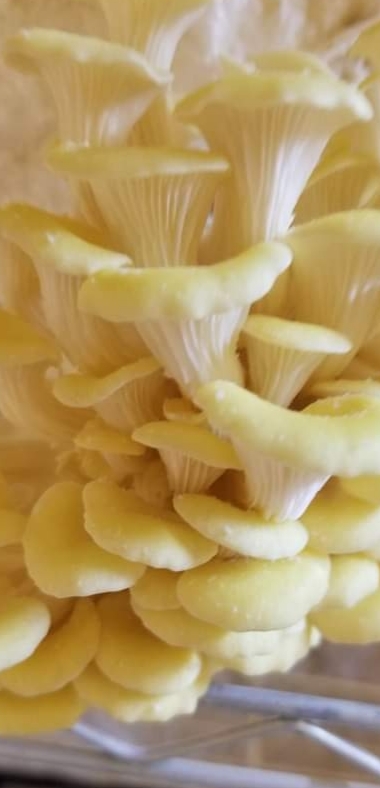
- Oyster Mushrooms: Known for their delicate texture and mild, savory flavor. They are excellent when sautéed or used as a meat substitute in tacos and pasta.
- Shiitake: These provide a deep, earthy umami profile. They are a staple in stir-fries, soups, and roasted vegetable medleys.
- Lion’s Mane: Highly regarded for its potential cognitive health benefits and seafood-like texture. It is best prepared by searing in butter until golden brown.
- Cordyceps: Often used in wellness circles, these are frequently dried and added to teas, smoothies, or broths for a natural energy boost.
Frequently Asked Questions
Q: Why is indoor mushroom farming better for the environment?
A: Indoor farming requires significantly less water and land than traditional crops and reduces the carbon footprint associated with long-distance food transportation.
Q: How should I store locally grown mushrooms?
A: Keep them in a paper bag in the refrigerator to allow for airflow. Avoid plastic bags, which trap moisture and cause the mushrooms to spoil prematurely.
Q: Are medicinal mushrooms safe to consume?
A: While varieties like Lion's Mane and Cordyceps are widely used for wellness, always consult with a healthcare professional before adding new medicinal supplements to your diet.