The Mushroom Market in Mississippi
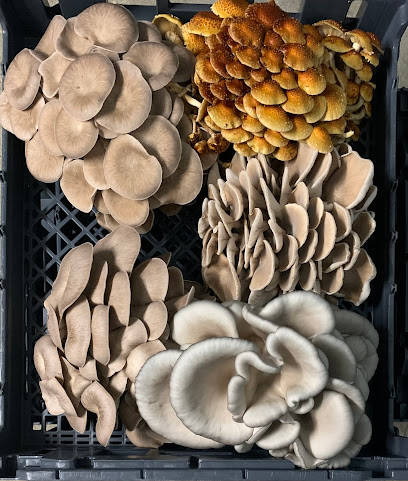
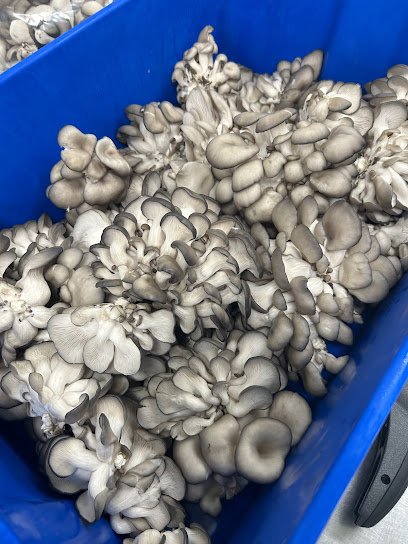
Mississippi’s mushroom industry remains in a nascent growth phase. Despite the state’s massive agricultural heritage, gourmet fungi production is concentrated among small-scale, high-quality operations. Currently, the state features three verified hubs, totaling three primary farms that dictate the local supply chain. Consumers and chefs are shifting away from mass-distributed grocery store mushrooms toward species-specific varieties like Oyster, Lion’s Mane, and Shiitake, which offer superior shelf life and flavor profiles. The market is currently driven by direct-to-consumer sales and localized restaurant partnerships, as there is no large-scale industrial facility dominating the market yet.
Top Cities for Gourmet Fungi
The geography of mushroom farming in Mississippi is spread across three distinct hubs: Saucier, Brandon, and Hattiesburg. Each location serves as a micro-hub for local distribution. Saucier, located in the southern coastal region, benefits from proximity to the Gulf Coast’s high-end culinary scene. Brandon, situated closer to the central metropolitan area, leverages shorter supply chains to reach consumers in the state capital. Hattiesburg rounds out the list, providing a critical junction for distribution in the Pine Belt. The concentration of farms in these cities is not accidental; they provide the necessary logistical infrastructure—access to refrigeration, reliable electricity for climate-controlled grow chambers, and proximity to farmer’s markets—that rural locations often lack.
Mississippi Climate & Mushroom Cultivation
Mississippi’s climate is a double-edged sword for mycologists. The state’s high humidity and warm temperatures are excellent for natural mycelial expansion, but they pose significant risks for indoor cultivation. Most successful farms, such as Down Home Mushrooms llc and Slowpoke Farms, utilize controlled environment agriculture (CEA) to mitigate these factors. High ambient humidity outside can lead to uncontrollable mold and bacterial contamination in a fruiting chamber if not managed with specialized HEPA filtration and dehumidification systems. Indoor growers in Mississippi must effectively balance cooling costs with humidity control. During the peak summer months, the energy requirement to keep a fruiting chamber at the optimal 60-70°F range is substantial. Consequently, the most successful operations have invested in insulated shipping container conversions or climate-controlled warehouse spaces that allow for year-round production regardless of the external 90%+ humidity levels typical of a Mississippi summer. Conversely, the state’s forest diversity—particularly the abundance of hardwood species like oak and sweetgum—provides a natural substrate source for outdoor log-grown Shiitake operations, a niche that is slowly gaining traction among local producers.
Sourcing Locally in MS
For restaurants and residential consumers looking to source fresh, locally grown fungi, the following farms represent the current state of the industry:
- Down Home Mushrooms llc: A top-rated farm known for high-quality production standards and consistent supply.
- Slowpoke Farms: An established food producer prioritizing fresh, gourmet-grade harvests for local markets.
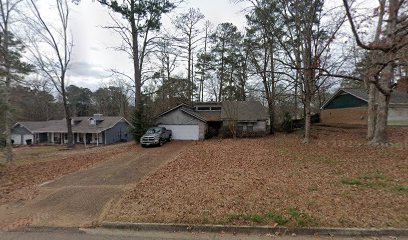
- RTL’s Mushroom Farm: A dedicated farm operation contributing to the state’s expanding mycological footprint.
To secure consistent supply, buyers should contact these farms directly to inquire about weekly harvest availability. Many of these producers operate on a pre-order model to ensure maximum freshness, as gourmet mushrooms lose quality rapidly after harvest due to their high respiration rates. Utilizing local growers also reduces the carbon footprint associated with long-haul cold chain logistics, which is a major selling point for farm-to-table establishments across Mississippi.