The Mushroom Market in Montana
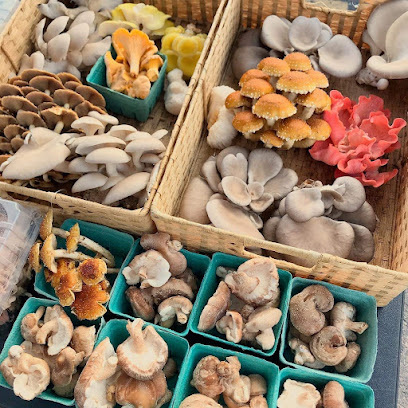
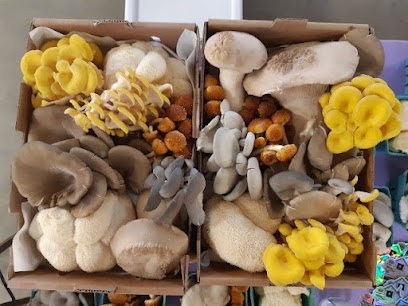
The gourmet and medicinal mushroom market in Montana remains a highly localized, specialized agricultural sector. Currently, the state features three primary verified farms serving a growing demand for culinary-grade fungi like Oyster, Lion's Mane, and Shiitake. While the state's vast geography often complicates logistics, the market relies on direct-to-consumer sales and partnerships with farm-to-table culinary establishments. The current supply chain is lean, prioritizing freshness over volume. Growers focus on high-turnover indoor production to circumvent the state's extreme seasonal volatility.
Top Cities for Gourmet Fungi
Mushroom cultivation in Montana centers on urban hubs where agricultural infrastructure and consumer demand converge. Missoula, Kalispell, and Bozeman serve as the primary pillars of this industry. Missoula acts as a central hub for mycological innovation, benefiting from a robust local food culture that supports small-scale, high-value agricultural operations. Kalispell and Bozeman leverage their proximity to diverse consumer bases, including high-end hospitality sectors that require consistent, year-round access to fresh, organic mushrooms. These three cities account for the totality of the state's verified commercial mushroom farming presence, creating a tri-node network that dictates the availability of gourmet fungi across the state.
Montana Climate & Mushroom Cultivation
Montana presents significant challenges for traditional outdoor agriculture, but these same conditions drive the success of controlled-environment mushroom farming. The state's low humidity and dramatic temperature swings make field-grown mushrooms difficult to manage. Consequently, professional growers like Sun Hands Farm, SporeAttic, and Garden City Fungi rely on sophisticated fruiting chambers. These indoor facilities manipulate temperature, carbon dioxide levels, and relative humidity to simulate the ideal growing conditions found in temperate, moisture-rich forests. By utilizing climate-controlled environments, Montana growers effectively 'hack' the state's dry climate. This approach allows for year-round production, insulating the supply chain from the harsh realities of Montana winters. Indoor cultivation also mitigates the risk of contamination from local pests, ensuring a higher quality product for the market.
Sourcing Locally in MT
- Sun Hands Farm: Recognized for organic practices, this farm prioritizes soil health and sustainable substrates. Ideal for those seeking certified organic gourmet varieties.
- SporeAttic: A leader in high-rating production, focusing on consistency and yield optimization within controlled, high-tech environments.
- Garden City Fungi: A premier source for fresh, hyper-local mushrooms, leveraging urban infrastructure to minimize travel time from farm to kitchen.
- Direct-to-Consumer Channels: Most Montana farms operate through direct sales models. Restaurants and residents should monitor social media platforms and local farmers' market schedules, as inventory fluctuates rapidly due to the nature of indoor production cycles.
- Supply Chain Strategy: Because of the limited number of verified farms, buyers are encouraged to establish standing orders. This secures supply and assists growers in scaling their production to meet regional demand.