The Mushroom Market in Nevada
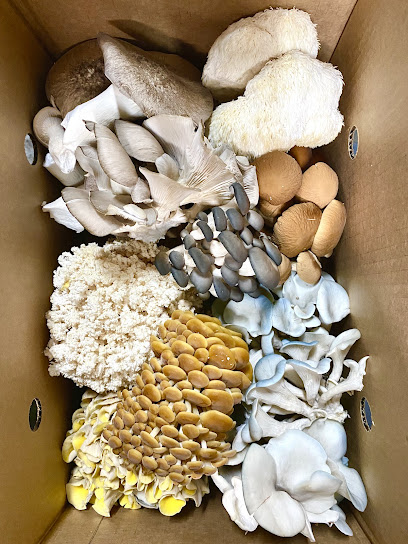
The gourmet and medicinal mushroom market in Nevada is currently defined by a high barrier to entry due to the state's extreme arid climate. Unlike regions in the Pacific Northwest where outdoor foraging and log-based cultivation are staples, Nevada's mycological industry relies almost exclusively on controlled environment agriculture (CEA). The current market is concentrated, with Desert Moon Mushrooms standing as the primary verified producer. For high-end culinary establishments and health-conscious consumers, the limited local supply chain creates a premium price point for fresh, locally grown varieties such as Oyster, Lion's Mane, and Shiitake. Because moisture loss occurs rapidly in Nevada’s low-humidity environment, the logistical advantage of sourcing within the state—specifically near the population centers—is significant. Freshness is the primary value proposition, as imported mushrooms often lose quality during the transit across the Mojave Desert.
Top Cities for Gourmet Fungi
Las Vegas is currently the sole hub for commercial mushroom production in the state. This concentration is not coincidental; it is a direct result of the dense restaurant ecosystem and the need for localized supply chains. Las Vegas provides the necessary infrastructure for climate-controlled indoor farming, including reliable electrical grids for HVAC systems and specialized water-filtration setups. Growers in this region utilize vertical farming techniques to maximize output within small footprints, effectively bypassing the lack of available arable land. As the hospitality industry continues to prioritize farm-to-table sourcing, the demand for locally grown, gourmet-grade mycelium products is rising among high-end chefs who require specific harvest windows for peak flavor profiles.
Nevada Climate & Mushroom Cultivation
Cultivating fungi in Nevada requires a rigorous approach to climate engineering. With humidity levels frequently dropping below 10%, traditional outdoor mushroom farming is impossible. Instead, producers utilize automated fruiting chambers that function as isolated biomes. These systems must maintain humidity levels between 80% and 95%, depending on the species, while managing CO2 levels to ensure proper cap development. The primary challenge for Nevada growers is the energy cost associated with maintaining these micro-climates against the backdrop of extreme ambient heat. Most successful operations, such as Desert Moon Mushrooms, utilize HEPA-filtered air exchange systems to prevent contamination from airborne dust and particulates—a common byproduct of the Nevada landscape. By isolating the growth process from the external environment, these farms achieve a consistency that wild foraging cannot replicate. This controlled approach is essential for medicinal varieties where the concentration of active compounds, such as beta-glucans, must remain stable for clinical or supplement use.
Sourcing Locally in NV
For residents and restaurant procurement managers looking to source mushrooms, the focus must remain on direct-to-farm relationships. Because of the limited number of verified farms, supply is often pre-committed to long-term contracts. To secure fresh product, follow these guidelines:
- Direct Procurement: Contact Desert Moon Mushrooms directly to inquire about weekly harvest availability and wholesale accounts.
- Market Presence: Monitor local farmers' markets in the Las Vegas metropolitan area, as these are the primary retail outlets for small-batch producers.
- Subscription Models: Many urban growers offer CSA (Community Supported Agriculture) style subscriptions, which guarantee a portion of the weekly harvest.
- Quality Verification: When evaluating local suppliers, prioritize farms that provide detailed information on their substrate composition and air-filtration standards to ensure food safety.
The future of the Nevada mushroom industry lies in scaling these high-tech indoor facilities. As technology lowers the cost of energy-efficient lighting and environmental sensors, we expect to see a gradual expansion in the number of urban farms capable of meeting the state's demand for high-quality, gourmet fungi.