The Mushroom Market in Ohio
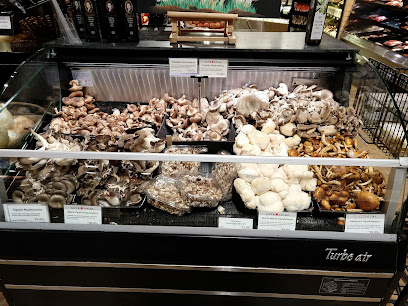
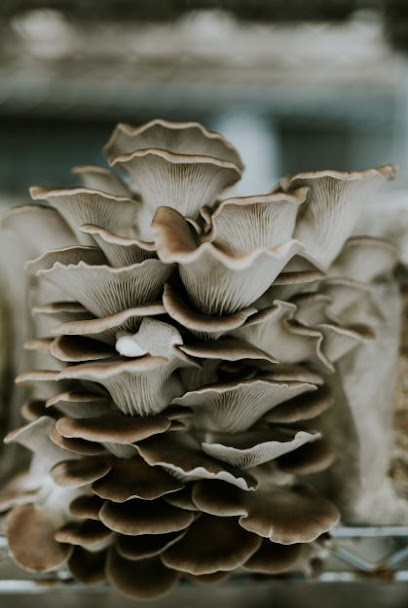
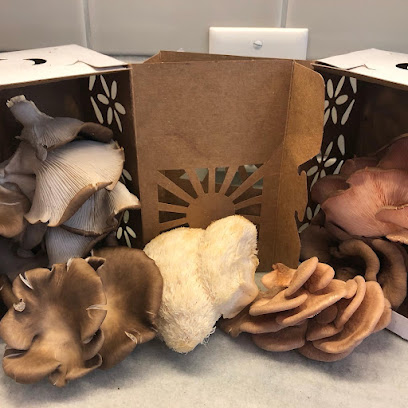
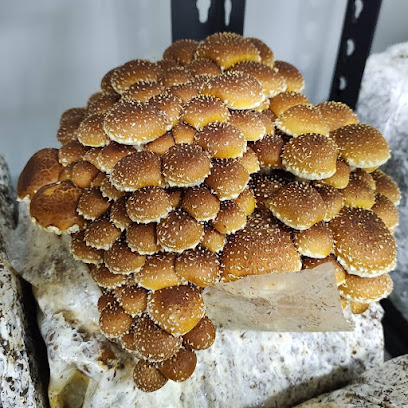
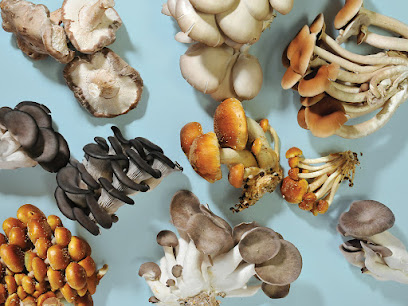
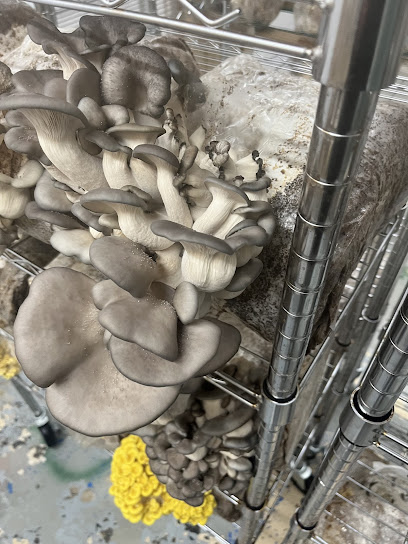
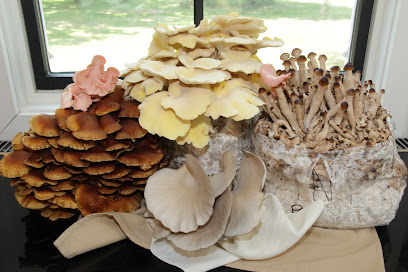
Ohio's gourmet mushroom market is currently defined by a transition from hobbyist production to professional-grade controlled environment agriculture (CEA). With 16 verified farms currently scaling operations across the state, the supply chain is shifting from seasonal foraged goods to year-round indoor production. High-value varieties like Lion’s Mane, Oyster, and Shiitake dominate the market. These fungi provide consistent margins for growers who utilize sawdust-based substrate blocks. The market is currently split between direct-to-consumer farmers' markets and B2B supply chains providing local produce to high-end restaurants in major metro areas.
Top Cities for Gourmet Fungi
Concentration of production follows population density and logistics infrastructure. Columbus leads the state with two verified farms, serving as a critical hub for statewide distribution. This concentration is driven by the city's central location and high concentration of farm-to-table culinary establishments. Cincinnati, Akron, Canton, and Newark round out the primary hubs. The distribution of these 15 active cities shows a clear preference for proximity to urban centers where the demand for specialty, non-commodity produce is highest. Farms like Guided By Mushrooms and Rich Life Farm and Fungi exemplify the standard for high-rating, professional operations that are bridging the gap between local growers and the retail sector.
Ohio Climate & Mushroom Cultivation
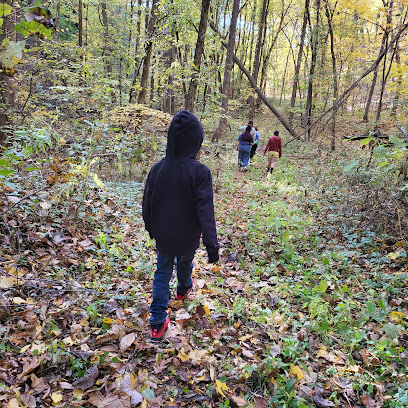
Ohio’s climate presents a unique paradox for mushroom cultivation. The state experiences significant seasonal humidity fluctuations, which are excellent for wild foraging of Morels and Chanterelles in the Appalachian foothills. However, commercial growers cannot rely on these erratic outdoor conditions. Indoor cultivation is the standard in Ohio because it allows for precise control over the vapor pressure deficit (VPD). Growers must manage high-performance fruiting chambers to mimic the specific humidity levels required for optimal pin-set. During Ohio's dry winters, maintaining high relative humidity is energy-intensive. Conversely, the humid summers require robust HVAC systems to prevent mold and bacterial blotch, common risks in Ohio's climate. The technical proficiency required to manage these indoor ecosystems is the primary barrier to entry for new farms, effectively separating serious agricultural businesses from home-scale operations.
Sourcing Locally in OH
Finding high-quality, locally sourced mushrooms requires understanding the specific logistics models used by Ohio producers. Restaurants and retailers should focus on these channels:
- Specialty Wholesalers: Entities like Fresh Serv Produce & Mushrooms and TAKE Mushrooms LLC provide consistent, high-volume supply for the hospitality industry.
- Direct Farm Sales: Operations such as Cleveland Fungi and Canton Mushroom Works offer transparency, providing buyers with insights into substrate quality and freshness.
- Farmers' Markets: Vendors like Buckeye Shroomery provide immediate access to seasonal harvests, which are often picked less than 24 hours before sale.
- Organic Producers: Farms like S&B Gourmet Mushrooms are the primary source for consumers looking for certified organic inputs, which are increasingly sought after in the Ohio market.
- Niche Producers: Smaller, specialized farms such as Nutt House Mush Mouth and 303 Mushroom Company often provide harder-to-find wild-simulated species that larger wholesalers cannot stock.