
💬 11 reviews⭐ 4.3
Explore 2 local mushroom producers across 2 cities.
 F
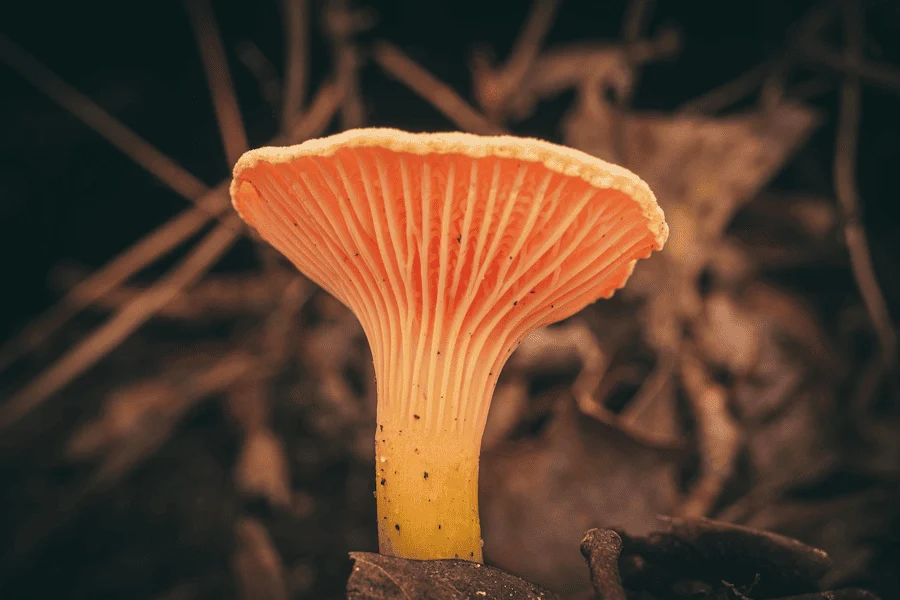
FThe gourmet and medicinal mushroom market in Puerto Rico is currently in an early-stage growth phase. With only two verified major operations, the supply chain remains fragmented. Most local demand is fueled by high-end culinary establishments and health-conscious consumers seeking fresh, non-imported alternatives. Imported mushrooms often suffer from quality degradation during transit, which gives local producers a distinct competitive advantage in freshness and texture. Currently, the market focuses on high-value species like Oyster mushrooms (Pleurotus ostreatus) and Lion’s Mane (Hericium erinaceus), which thrive in controlled environments and command premium prices in the San Juan metro area and beyond.
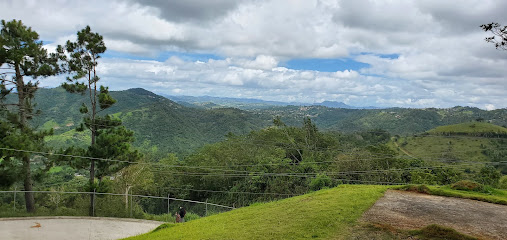
The concentration of mushroom farming is currently split between two distinct geographic profiles: Aibonito and Bayamon. Aibonito acts as the primary agricultural hub due to its higher elevation and cooler mountain temperatures. These conditions provide a natural buffer against the extreme heat of the coastal plains, reducing the energy load required for climate-controlled fruiting chambers. Conversely, Bayamon represents the urban agriculture sector. Growers in Bayamon leverage proximity to the San Juan metropolitan consumer base, focusing on high-turnover inventory and direct-to-chef logistics. This bifurcation allows the industry to serve both the specialized agricultural sector and the rapid-demand urban market simultaneously.
Puerto Rico presents a unique set of challenges and opportunities for mycologists. The island’s high ambient humidity—often exceeding 80%—is a double-edged sword. While it reduces the need for aggressive misting systems, it significantly increases the risk of contamination from mold and bacteria. Successful cultivation requires advanced air filtration (HEPA) and strict climate control to regulate the specific temperature drops required for primordia formation. Indoor cultivation is the industry standard here, as the unpredictable tropical weather and high UV index make outdoor log-grown mushrooms inconsistent. Growers must utilize insulated shipping containers or retrofitted warehouses to replicate the temperate forest floors where these fungi naturally thrive. By manipulating CO2 levels and light cycles, farmers can trick mycelium into fruiting year-round, bypassing the seasonal limitations found in mainland temperate climates.
Restaurants and residents looking to support the local mycological economy should prioritize direct relationships with growers. The current local supply chain includes:
By shifting procurement to these local hubs, buyers reduce their carbon footprint and ensure that the delicate cellular structure of the mushrooms remains intact, providing a superior product for the kitchen.
A: Aibonito offers a higher elevation and cooler climate compared to the rest of the island, which naturally reduces the energy costs associated with maintaining the precise temperature ranges required for mushroom fruiting.
A: The high ambient humidity and heat of the Caribbean require sophisticated climate control and sterile laboratory environments to prevent contamination from competing molds and bacteria.
A: As an active farm, Setas De Puerto Rico typically manages distribution through direct outreach, wholesale contracts with restaurants, or local agricultural markets.
The most popular reviews: