
💬 2 reviews⭐ 5
Explore 2 local mushroom producers across 2 cities.
The gourmet and medicinal mushroom market in South Dakota is currently in a nascent stage of development. With only two verified commercial operations identified, the supply chain remains hyper-localized. This scarcity creates a high-barrier entry for chefs and retailers who require consistent, year-round access to specialty varieties like Lion’s Mane, Oyster, or Shiitake. Currently, the market relies heavily on direct-to-consumer sales through farmers' markets and small-scale distribution to local restaurants. As consumer interest in functional foods and plant-based protein alternatives grows, these existing farms are setting the infrastructure for a more robust regional mycological industry.
Mushroom cultivation in South Dakota follows an urban-centric model, concentrated in cities that offer both a customer base and logistics support. The current data identifies two primary hubs: Rapid City and Pierre.
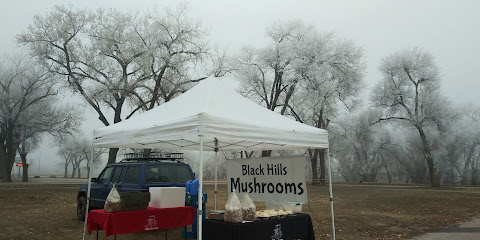
Rapid City serves as the primary epicenter for mushroom production in the western part of the state. Its proximity to the Black Hills provides a strategic advantage for both foraging education and indoor cultivation. Black Hills Mushrooms operates here, leveraging the city's role as a regional economic center to reach a diverse demographic of culinary professionals and health-conscious consumers. The high tourist traffic in the Black Hills area offers a unique retail opportunity for mushroom-based products that smaller, rural towns lack.
As the state capital, Pierre functions as a critical administrative and agricultural distribution point. The presence of a verified mushroom farm here indicates that the market is beginning to penetrate the central region of the state. Growers in Pierre benefit from a stable local economy and proximity to state-level agricultural resources, which are vital for scaling indoor cultivation operations that require precise climate monitoring and substrate management.
South Dakota’s environment presents significant challenges and opportunities for mushroom growers. The state’s semi-arid climate and wide seasonal temperature swings make outdoor, open-air cultivation nearly impossible for most gourmet species. Consequently, the industry is almost entirely dependent on indoor, climate-controlled fruiting chambers.
Successful cultivation requires the mitigation of low humidity levels, which are common during the South Dakota winter. Growers must invest in sophisticated HVAC systems, ultrasonic humidifiers, and CO2 monitoring equipment to simulate the specific micro-climates required for mycelial colonization and pin initiation. Foraging, while popular, is restricted to short windows following seasonal moisture events. The reliance on indoor systems ensures that farms like those in Rapid City can maintain a consistent product yield regardless of the harsh, fluctuating external climate conditions. By controlling the internal environment—temperature, humidity, air exchange, and light—growers create a controlled ecosystem that isolates the fungi from the volatile Great Plains weather.
For restaurants, grocery buyers, and individual consumers looking to support the local mycology sector, the following strategies are recommended:
A: Currently, there are 2 verified commercial mushroom farms operating in South Dakota, primarily located in Rapid City and Pierre.
A: South Dakota's semi-arid climate and extreme seasonal temperature shifts make outdoor growing unpredictable. Indoor climate-controlled chambers allow growers to maintain the precise humidity and temperature necessary for consistent gourmet mushroom production.
A: Black Hills Mushrooms is based in Rapid City and operates both as a food producer and a presence at local farmers' markets.
The most popular reviews:
All the varieties of Black Hills Mushrooms are exceptional in taste and texture. When you meet the owner, Alan Carner, it quickly becomes clear that he takes immense pride in his product, cultivating these mushrooms and more into culinary marvels. For many years, I have been a customer, watching Black Hills Mushrooms grow (pun intended) into the amazing business it is now. Alan is incredibly knowledgeable and shares his insights freely, making sure every customer is informed, either by offering cooking tips, and how to handle the mushrooms. The growing kits are another unique offer, where Alan Carner, generous at heart, educates the customer to succeed in growing these on their own. Seldom will you find a business that doesn't just take your money for a purchase but truly cares about the end result. Needless to say, the customer service is exceptional. Mushrooms are a true delicacy, and are hard to find and care for. So it goes without saying that we are lucky here in our community to have Black Hills Mushrooms.
— Black Hills Mushrooms