
💬 19 reviews⭐ 5
Organic food store
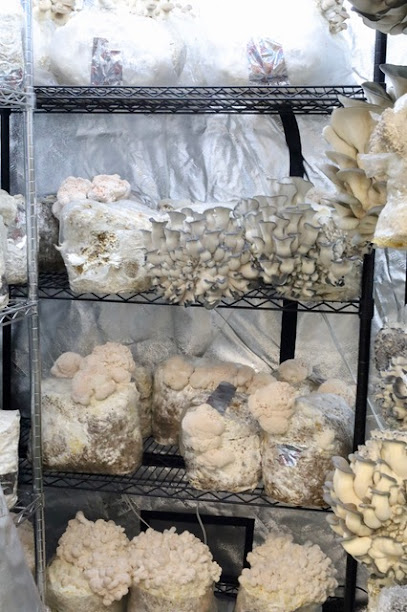
MushBetter Mushrooms
📍724 E 50 S, American Fork, UT 84003, USA
Explore 8 local mushroom producers across 7 cities.
 I
I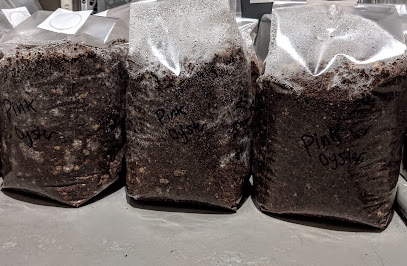 M
M
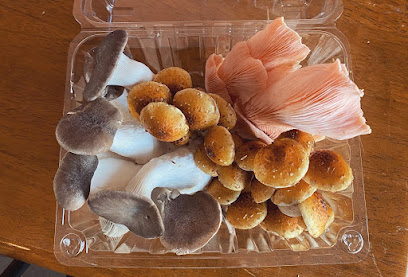
Local gourmet mushroom cultivation. Top products: Fresh gourmet mushrooms, Mushroom growing classes, CSA mushroom shares. MYCEL Mushrooms is a localized agricultural enterprise operating in the Salt Lake City region, dedicated to the professional cultivation of high-quality gourmet mushroom varieties. The farm functions as a primary producer, specializing in supplying fresh, sustainably grown fungi directly to the local community, area restaurants, and through Community Supported Agriculture (CSA) partnerships. Their operational model prioritizes a short supply chain, ensuring that culinary-grade mushrooms are harvested at peak freshness for local distribution. Beyond direct cultivation, the business acts as an educational hub, offering classes and public pop-up events designed to increase local engagement with mycology and sustainable food systems. By fostering direct relationships with chefs and local consumers, MYCEL Mushrooms aims to improve the availability of specialty produce while maintaining rigorous quality standards. Their mission emphasizes the intersection of local food security, culinary excellence, and community-based agricultural outreach.
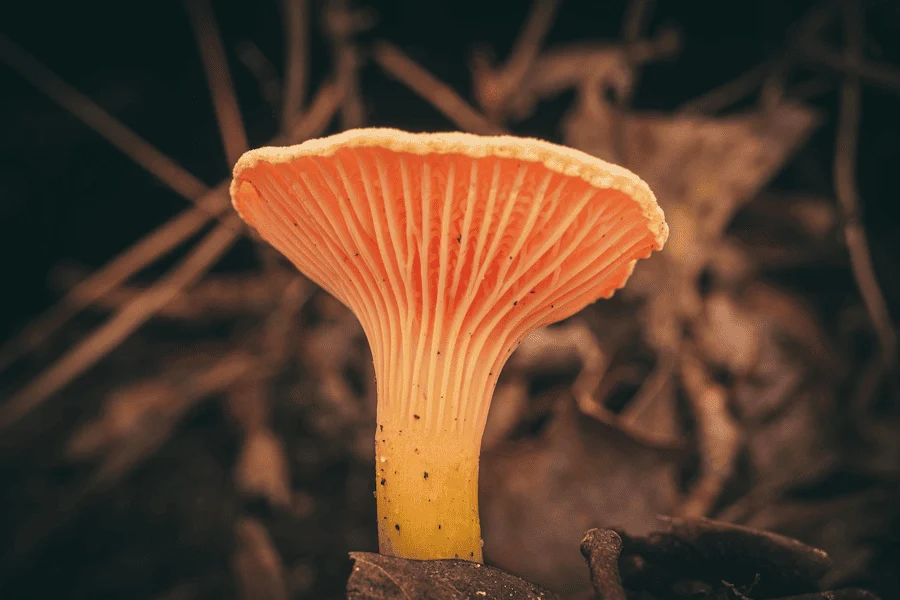
TGourmet culinary mushroom farm. Top products: Lion’s Mane, Pioppinos, Oyster mushrooms. The Mushroom Cache LLC is a specialized gourmet mushroom farm operating out of Logan, Utah, dedicated to supplying the Cache Valley community with high-quality, fresh culinary fungi. Founded on the principle that local access to specialty mushrooms was insufficient, the company focuses on controlled environment cultivation within their dedicated fruiting rooms. Their production centers on a diverse array of culinary species, including Lion’s Mane, Pioppinos, and various strains of Oysters, such as Golden and Pink varieties. The farm prioritizes the intersection of flavor, visual presentation, and rapid post-harvest delivery to ensure optimal culinary performance for the end consumer. Their business model primarily utilizes direct-to-consumer sales channels, maintaining a recurring presence at the Cache Valley Gardeners’ Market. By emphasizing the nutritional density and gastronomic versatility of domesticatable mushroom species, The Mushroom Cache serves as a reliable producer for home cooks and local culinary enthusiasts seeking premium, non-foraged, kitchen-ready gourmet ingredients.
The Utah mushroom market is shifting from an obscure niche to a localized agricultural sector. Currently, there are 8 verified farms operating across 7 cities, signaling a maturation of the supply chain. Demand for gourmet varieties like Lion’s Mane, Oyster, and Shiitake is rising among high-end culinary establishments and health-conscious consumers. Because Utah’s high-altitude, arid environment makes large-scale outdoor mushroom cultivation difficult, the market relies heavily on indoor controlled-environment agriculture (CEA). Producers like MushBetter Mushrooms and Misfit Mushrooms have successfully scaled operations by utilizing high-tech fruiting chambers that bypass the limitations of the state's natural soil profile. This transition toward indoor, vertical, and warehouse-based farming is the primary driver of market growth in the state.
Mushroom production is heavily clustered along the Wasatch Front. This geographic concentration mirrors the state’s population density, as growers prioritize proximity to major distribution hubs and restaurant demand. Salt Lake City leads the pack with 2 verified farms, serving as the central nervous system for regional distribution. Outside of the capital, operations are strategically positioned in Ogden, Provo, Sandy, American Fork, Logan, and Hooper. This distribution allows for a decentralized supply chain that keeps transit times low, ensuring that perishable gourmet fungi reach kitchen tables in peak condition. The presence of specialized entities like Intermountain Gourmet in the corporate sector suggests that the industry is also attracting business investment, moving beyond simple hobbyist cultivation.
Utah’s climate is defined by low humidity and significant seasonal temperature swings. For mushroom farmers, these conditions are a double-edged sword. Natural foraging is largely restricted to specific, high-moisture periods in the Uinta and Wasatch mountains, making year-round outdoor farming impossible. Consequently, the commercial sector has mastered climate control technology. Growers in cities like Logan and Hooper must maintain strictly regulated humidity levels—often between 80% and 95%—to facilitate optimal mycelial colonization and fruiting. These indoor operations utilize HEPA-filtered air systems to mitigate the risk of mold and bacterial contamination, which are common issues in drier, dusty environments. By isolating production from the exterior climate, Utah farmers produce consistent, high-yield harvests regardless of whether it is a scorching July or a freezing January. The reliance on greenhouses and controlled indoor chambers allows farms like Coker Farms to maintain high quality standards throughout the calendar year.
Restaurants and residents looking to support the local mycology scene have several reliable avenues for procurement. Sourcing locally reduces the carbon footprint associated with shipping fragile produce and ensures a fresher product with a longer shelf life. Here are the primary ways to connect with Utah's mushroom growers:
A: There are currently 8 verified mushroom farms across 7 cities in Utah, primarily concentrated along the Wasatch Front.
A: Utah's arid climate and low humidity levels make outdoor cultivation challenging, necessitating the use of controlled-environment fruiting chambers to maintain the high humidity required for mushroom growth.
A: The primary hubs include Salt Lake City, Ogden, Provo, Sandy, American Fork, Logan, and Hooper.
The most popular reviews:
This place is awesome! They showed me around and were super friendly. I ended up getting fresh oyster mushrooms and tinctures! Very cool place even just to check out!
— MushBetter MushroomsSo lucky to have been gifted Shiatake and Pearl Oysters from Intermountain Gourmet. So so yummy! The aroma, texture, and size of these were perfect!!
— Intermountain Gourmet