The Mushroom Market in Virginia
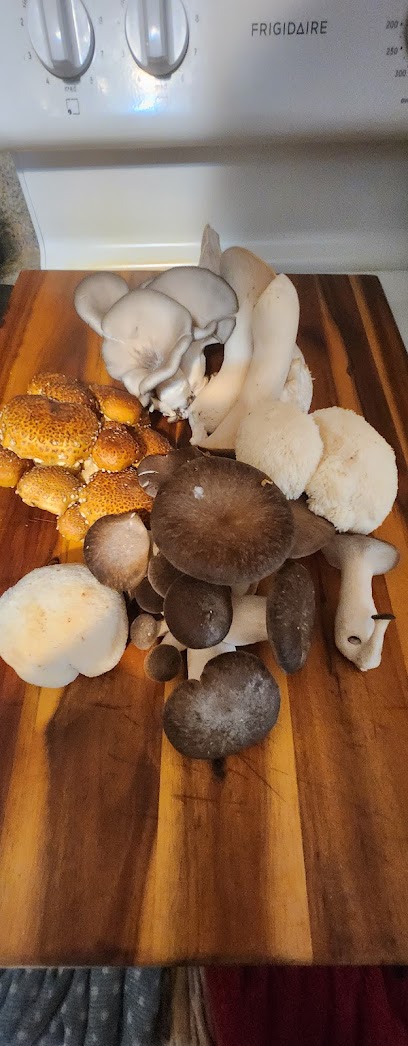
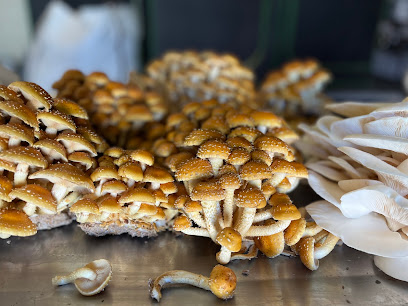
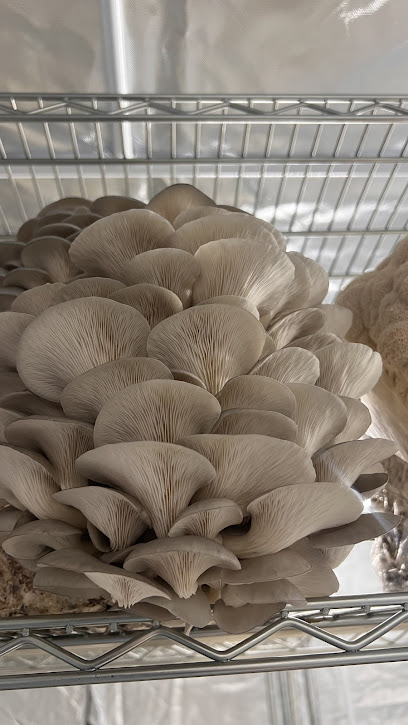
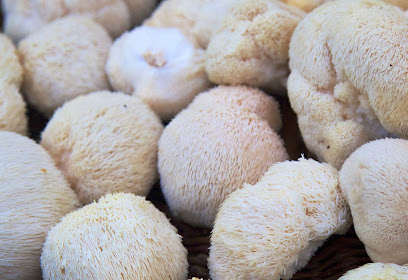
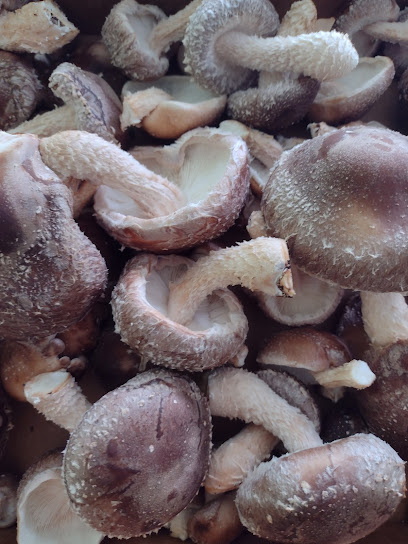
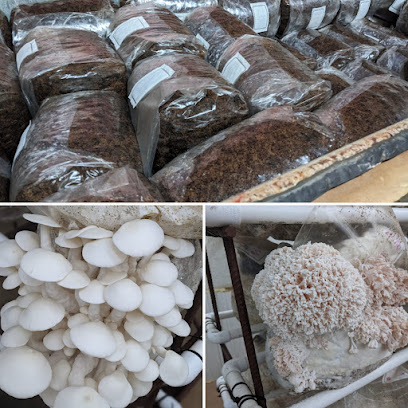
The gourmet and medicinal mushroom sector in Virginia is transitioning from a niche hobbyist market to a structured agricultural industry. Currently, there are eight verified commercial-scale operations driving this growth. These farms are shifting the local food narrative by prioritizing high-turnover crops like Oyster (Pleurotus ostreatus), Lion's Mane (Hericium erinaceus), and Shiitake (Lentinula edodes). The market demand is fueled by a combination of high-end culinary interest and a growing consumer focus on functional foods. Unlike traditional row-crop farming, mushroom cultivation in Virginia relies on indoor climate-controlled fruiting chambers, allowing for year-round production regardless of the external season. This capability provides a distinct economic advantage, as it stabilizes supply chains for local chefs and farmers' markets.
Top Cities for Gourmet Fungi
Distribution patterns reveal distinct hubs for mycology in Virginia. Data identifies six active cities where commercial production is concentrated. Virginia Beach and the Shenandoah region emerge as the primary leaders, each hosting two verified farms. This concentration is not accidental. Virginia Beach benefits from a robust urban distribution network and proximity to high-density restaurant demand. In contrast, the Shenandoah region leverages lower operational costs and agricultural infrastructure, facilitating larger-scale supply chain operations like Shenandoah Mushroom Supply LLC. Additional production points in Winchester, Norfolk, Rustburg, and Galax indicate a decentralized growth model, ensuring that fresh fungi are accessible across diverse geographical zones within the state. Notable players such as The Tidewater Mushroom Company and Sol Mountain Mushrooms represent the high standard of quality currently defining the Virginia brand.
Virginia Climate & Mushroom Cultivation
Virginia’s geography presents a unique set of variables for both indoor and outdoor mycological success. The state’s climate is characterized by humid subtropical conditions, which offer both opportunities and challenges. High ambient humidity levels during the summer months are ideal for outdoor log cultivation, particularly for Shiitake, which thrives in the hardwood forests covering much of the Appalachian region. However, these same conditions require rigorous air management for indoor cultivators to prevent mold and bacterial contamination. Commercial farms must invest heavily in HVAC systems, HEPA filtration, and ultrasonic humidification to maintain the precise vapor pressure deficit (VPD) required for optimal fruiting. By mimicking the stable, moist environment of a forest floor within a controlled room, Virginia growers can bypass the risks associated with the state’s fluctuating seasonal temperatures. This technical control is the primary differentiator between hobbyist growers and the sophisticated agricultural engineers operating out of centers like Shenandoah.
Sourcing Locally in VA
For restaurants, retailers, and private consumers looking to incorporate fresh, locally-grown fungi into their operations, the following farms represent the verified supply chain in Virginia:
- The Tidewater Mushroom Company: A top-rated agricultural production facility focused on high-quality gourmet yields.
- Sol Mountain Mushrooms: A premier farm known for consistent, high-grade medicinal and gourmet varieties.
- Pungo Caps LLC: A dedicated farming operation specializing in local mushroom production.
- Capstone Mushroom: An agricultural production firm maintaining high industry standards for fresh delivery.
- Hillcrest Mushroom Farm: A specialized food producer catering to local culinary demands.
- Mission Mushroom | Providence Veterans Farm: A mission-driven non-profit organization integrating social impact with mycological production.
- Shenandoah Mushroom Supply LLC: An agricultural engineering hub providing technical support and supply to the regional network.
- Shenandoah Mushroom Co: A key farm operation contributing to the density of the Shenandoah mycological hub.
By sourcing from these verified entities, stakeholders ensure that they are receiving products with minimal carbon footprints, fresher shelf-life, and higher nutritional density compared to imported, long-haul alternatives.