The Mushroom Market in Vermont
Vermont represents a specialized niche in the North American gourmet fungi market. While the total number of verified commercial-scale mushroom operations remains lean at three, the focus is squarely on high-quality, high-rating output. The market is defined by a farm-to-table supply chain that prioritizes hyper-local distribution over mass-market retail. Consumers in Vermont are increasingly seeking medicinal-grade mushrooms like Lion's Mane and Reishi alongside culinary staples like Oyster and Shiitake, driving farms to implement sophisticated indoor climate-controlled systems to ensure year-round availability.
Top Cities for Gourmet Fungi
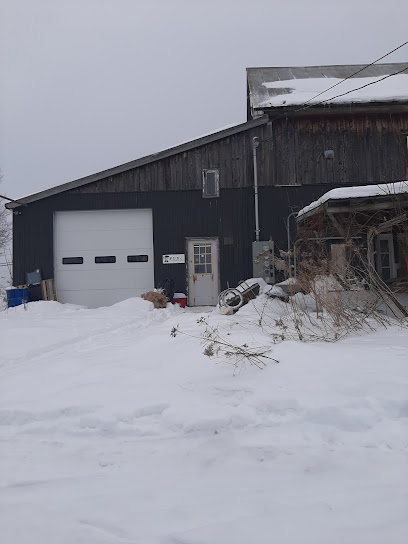
The concentration of mushroom farms in Vermont is not random; it follows the state's logistical and demographic centers. Brandon, Jericho, and South Burlington function as the primary nodes for this industry. Brandon, despite its smaller population, offers lower overhead costs and proximity to agrarian networks, making it an ideal location for specialized indoor cultivation facilities like FUNJ Shrooming Company. Jericho and South Burlington serve as critical urban-adjacent hubs. Being located near these centers allows farms like Champlain Valley Mushrooms to maintain a competitive advantage by slashing transit times for perishable goods. In the mushroom industry, freshness is measured in hours, not days; proximity to metropolitan hubs ensures that the delicate, short shelf-life of gourmet varieties is preserved for high-end restaurant kitchens.
Vermont Climate & Mushroom Cultivation
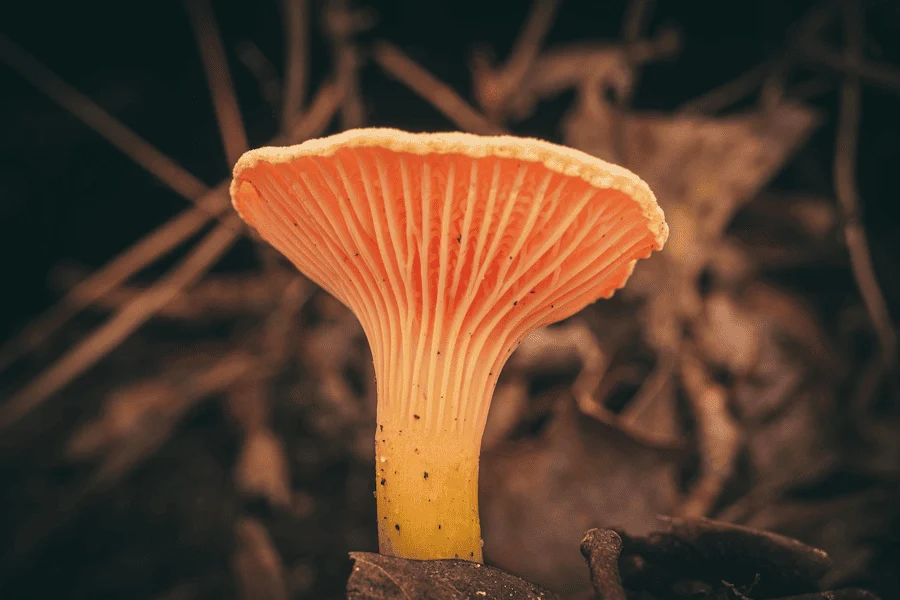
Vermont's climate presents a paradox for mycologists. The state’s high humidity and temperate forest types—dominated by hardwoods like maple, beech, and birch—create an ideal environment for wild foraging, particularly for Chanterelles and Maitake. However, commercial cultivation in Vermont requires rigorous environmental engineering. The state's long, freezing winters necessitate indoor fruiting chambers that can overcome extreme temperature fluctuations. Growers must invest heavily in HVAC systems, humidifiers, and HEPA filtration to simulate the damp, oxygen-rich conditions found in the forest floor. Indoor cultivation allows Vermont farmers to produce consistent yields regardless of the season, effectively turning climate-controlled warehouses into artificial ecosystems. This technical approach allows farms to manage CO2 levels precisely, which is critical for maximizing the size and quality of the fruiting bodies.
Sourcing Locally in VT
Residents and restaurateurs looking to integrate local mushrooms into their supply chains should prioritize direct partnerships with verified producers. Here is how to source the best fungi in the state:
- Direct-to-Farm Purchases: Establish standing orders with operations like FUNJ Shrooming Company. Standing orders allow farmers to plan substrate inoculation cycles based on your specific volume requirements.
- Restaurant Partnerships: Seek out menus featuring Champlain Valley Mushrooms. These partnerships are the best indicator of a farm's consistency and quality control.
- Farmers Market Networks: Utilize local agricultural directories to track seasonal availability. Even in the off-season, indoor-grown varieties remain available, though inventory fluctuates based on inoculation schedules.
- CSA Subscriptions: Some Vermont mushroom growers offer mycological CSAs, allowing households to receive weekly allotments of fresh, rotating varieties throughout the year.
The Vermont mushroom sector is small but technically sophisticated. By focusing on indoor cultivation, these farms mitigate the risks associated with the state's volatile outdoor weather, providing a reliable, high-quality product for the local market.