
 M
M💬 6 reviews⭐ 4.3
maps_search
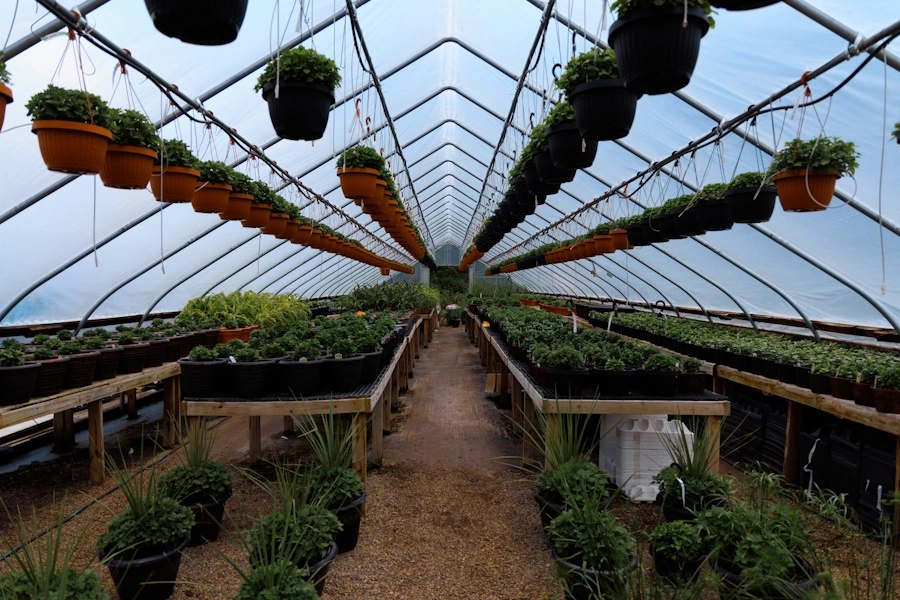
Morning Sun Nursery & Landscaping
📍23955 US-431, Wedowee, AL 36278, USA
No website listed
Showing 1 verified nurseries & garden centers near you
MGardening in Oxford, Alabama, requires understanding the specific demands of the local climate. Oxford falls primarily into USDA Hardiness Zone 7b or 8a, meaning residents must contend with hot, humid summers and occasional winter freezes. A reliable nursery or garden center helps bridge the gap between amateur gardening and professional-grade landscapes. By sourcing materials from a local garden center, you gain access to plants specifically selected for their ability to thrive in Calhoun County soil and weather patterns.
The following table outlines established options for sourcing plant material within the local area. These businesses provide a starting point for gardeners looking to improve their outdoor spaces.
| Name | Rating | Specialization |
|---|---|---|
| Morning Sun Nursery & Landscaping | 4.3 | General plant nursery |
Each local nursery serves as a hub for regional gardening knowledge, offering advice that big-box stores often lack regarding specific pest issues or soil amendments needed for local Alabama turf.
Purchasing from a local nursery provides a significant biological advantage. Plants grown within Alabama are already acclimated to the local photoperiod and temperature fluctuations. When you buy from a distant supplier, those plants often experience transplant shock as they adjust to the unique humidity levels of Oxford. Local nurseries focus on cultivars proven to handle Alabama’s clay-heavy soils and sudden summer droughts. Furthermore, buying local supports the regional horticultural economy, ensuring that the expertise needed for successful gardening remains available in your community.
For the best results in Oxford, timing is essential. Fall is widely considered the premier planting season for trees, shrubs, and perennials. The cooling soil temperatures allow root systems to establish before the heat of the next summer arrives. In spring, focus on warm-season annuals and vegetables once the danger of frost has passed, usually by mid-April.
For low-maintenance success, prioritize native Alabama species. Oakleaf hydrangeas, beautyberry, and various species of coreopsis are excellent choices that require less supplemental watering once established. These plants possess the natural genetic resilience needed to withstand the local climate, reducing your reliance on chemical fertilizers and heavy irrigation schedules.
A: In Oxford, the best time to plant trees and shrubs is during the autumn months. The cooling air combined with warm soil promotes strong root growth before the summer heat returns. For vegetables and annuals, wait until the final spring frost passes, which typically occurs in mid-April. Planting in these windows significantly increases the survival rate and long-term health of your garden.
A: Local nurseries offer plants specifically acclimated to the Alabama climate and soil conditions, unlike mass-market retailers that ship inventory from various climates. When you shop at a local garden center, you get access to expert advice tailored to local pests, soil, and weather patterns. This personalized guidance ensures you choose the right plant for the right spot in your yard, saving you time and money.
A: Native plants are naturally adapted to Alabama’s specific climate, rainfall patterns, and soil composition. Because they have evolved here, they typically require less water, fewer fertilizers, and less maintenance than non-native species. Furthermore, native plants provide essential support for local pollinators and wildlife, fostering a healthier and more sustainable backyard ecosystem that contributes positively to the regional environment.
A: Many areas in and around Oxford have heavy, compacted clay soil that struggles with drainage. To improve your soil health, incorporate organic matter like compost or aged bark into your garden beds before planting. This process improves soil structure, increases oxygen levels for roots, and helps manage moisture. For trees and shrubs, consider planting slightly elevated or creating raised beds to prevent root rot during wet periods.