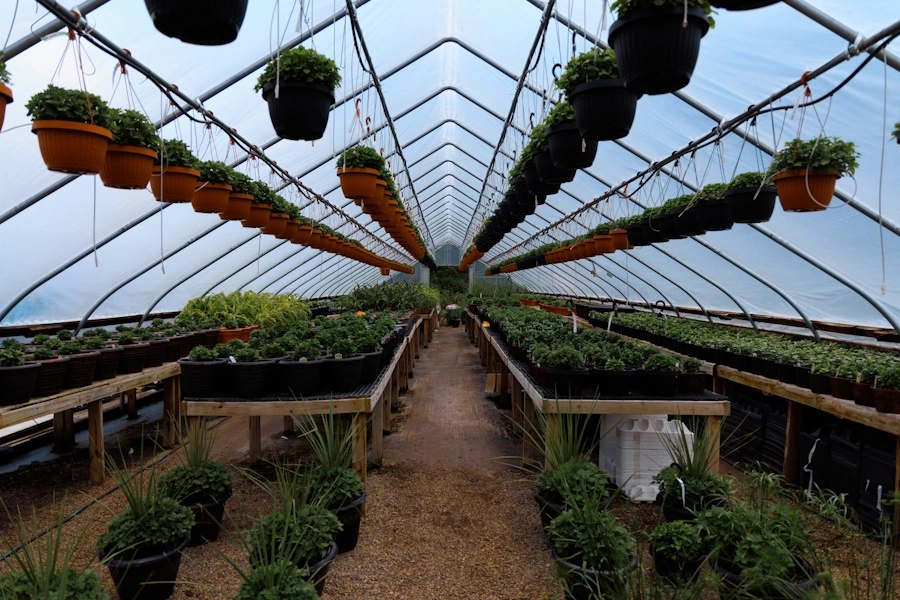
Local Nursery Scene in Trussville
Trussville and the surrounding Jefferson County area host a focused selection of horticultural suppliers catering to varied gardening needs. While the current count stands at three primary establishments, these businesses cover the spectrum from retail decorative plants to wholesale landscaping supplies and specialized local floral production. For a gardener in Alabama, this diversity is vital. Our region sits primarily in USDA hardiness zones 7b and 8a, meaning plants must withstand hot, humid summers and occasional hard freezes. Selecting a nursery that understands these environmental pressures ensures better success than choosing generic inventory from big-box retailers.
Comparison of Top Nurseries
| Nursery Name | Rating | Specialization | Type |
|---|
| Warren Family Garden Center and Nursery | 4.4 | Ornamentals and Perennials | Retail Garden Center |
| Crawfords Nursery | 4.8 | Trees, Shrubs, and Landscape Supplies | Full-Service Nursery |
| Deep South Flower Farm | N/A | Cut Flowers | Specialty Flower Farm |
Deep Dive into Nurseries
Warren Family Garden Center and Nursery serves as a primary retail resource for residential gardeners. As a Proven Winners Certified Garden Center, they maintain a strict quality standard for their annuals, shrubs, and perennials. Their inventory of edible plants like vegetable starts and herbs is specifically tailored for the local growing calendar, supporting both novice hobbyists and experienced home growers.
Crawfords Nursery offers a robust service model established over decades. They cater to professional landscapers and homeowners alike by stocking bulk materials such as mulch, gravel, and fertilizers alongside their plant inventory. Their longevity in the market allows them to provide design assistance, making them a functional hub for larger property improvement projects.
Deep South Flower Farm represents a shift toward specialized, sustainable production. As a cut-flower operation located in nearby Pinson, they do not rely on traditional retail storefront ratings but instead focus on providing fresh, chemical-free, locally grown floral arrangements. This model prioritizes the vase life and environmental impact of flowers over mass-market imports, appealing to consumers interested in supporting regional biodiversity.
Buying Guide for AL Gardeners
Gardening in Alabama requires a strategic approach to plant selection and seasonal timing. Consider these factors before visiting a garden center:
- Acclimation Matters: Purchase plants from local growers like those mentioned above. These plants are already adapted to Alabama’s soil chemistry and summer heat, which significantly reduces transplant shock.
- Native Species: Prioritize native perennials. They require less irrigation once established and support local pollinators, which are essential for our ecosystem.
- Soil Preparation: Most Alabama soil is heavy clay. Before planting, ask nursery staff about recommended soil amendments like expanded shale or compost to improve drainage.
- Plant Health Inspection: When at a nursery, check the undersides of leaves for pests, look for healthy root systems that aren't pot-bound, and avoid plants with signs of wilt or yellowing, which could indicate poor care or disease.
- Seasonal Timing: In Alabama, the best time for planting trees and shrubs is during the dormant season—late fall through early spring. This allows root systems to establish before the stress of the intense summer heat.
Choosing a local garden center over a mass-market retailer often results in a more curated selection. Local nursery experts provide guidance specific to your microclimate, whether your yard has full sun or deep woodland shade. While big-box stores may offer lower prices, they rarely offer the regional expertise or the specialized, high-quality cultivars necessary to survive the volatile Alabama climate. Investing in a locally-sourced plant from a nursery professional usually pays for itself in reduced replacement costs and superior plant performance over several seasons.