💬 18 reviews⭐ 4.6
maps_search
Four Seasons Garden Center
📍North Hussy Street, Searcy, Arkansas, 72149, US
No website listed
Showing 2 verified nurseries & garden centers near you
Searcy, Arkansas, maintains a modest but functional network for home gardeners. Currently, there are two primary suppliers serving the area: Four Seasons Garden Center and Poor Girls Nursery. While the city may not possess the sprawling scale of metropolitan garden retail, these locations provide essential plant stock adapted to the unique climate of White County. For local residents, these suppliers serve as the first point of contact for seasonal color, shrubs, and ornamental trees that survive the humid, sometimes volatile, Arkansas weather.
| Nursery Name | Rating | Specialization | Type |
|---|---|---|---|
| Four Seasons Garden Center | 4.6 | General plant nursery | maps_search |
| Poor Girls Nursery | 5.0 | General plant nursery | maps_search |
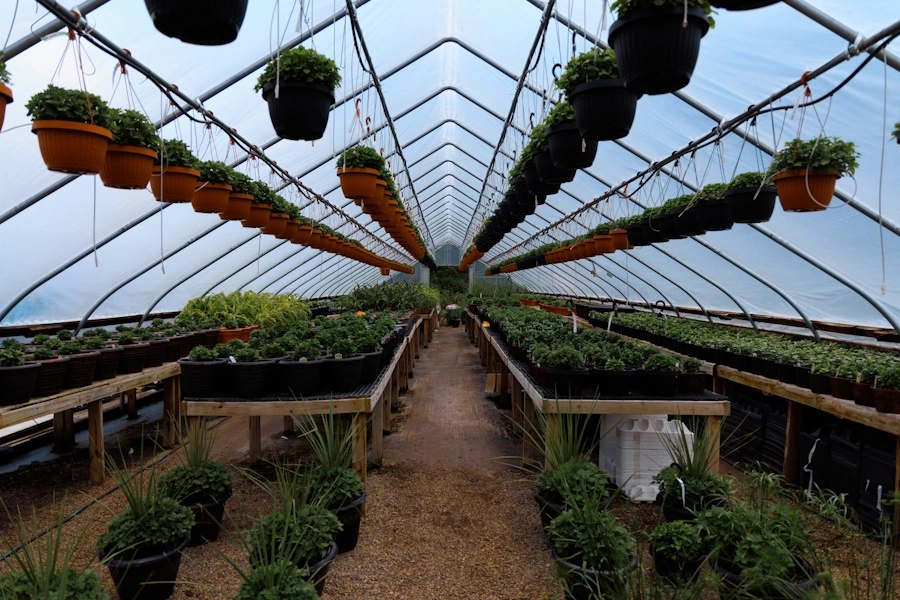
Four Seasons Garden Center functions as a standard garden center, providing a broad selection of plant life suited for local landscapes. With 18 reviews and a 4.6-star rating, it stands as the most established option for residents looking for consistent inventory in Searcy. Their role as a general plant nursery typically includes stocking annuals, perennials, and shrubbery that meet the basic requirements of Arkansas home gardening.
Poor Girls Nursery offers a more intimate retail experience, reflected by its perfect 5-star rating, albeit based on a smaller sample of reviews. As a general plant nursery, it likely focuses on personal service and hand-selected inventory, which can be advantageous for gardeners needing guidance on specific Arkansas soil conditions or hardiness zone limitations.
Gardening in Arkansas requires an understanding of USDA Hardiness Zones 7b and 8a. The intense summer heat and high humidity levels mean your plant selection must prioritize drought tolerance once established and disease resistance against fungal issues common in humid climates. Buying from local nurseries provides a significant advantage over big-box stores because local stock is often acclimated to the specific microclimates of White County rather than being trucked in from distant, temperature-controlled greenhouses.
Ultimately, the local market in Searcy supports a functional gardening lifestyle. While the volume of retailers is small, the focus on general plant nursery stock ensures that common landscape needs are met. Gardeners who engage with these suppliers gain the benefit of local expertise and inventory that is ready to hit the ground running in the Arkansas dirt. Whether you are prepping for a summer vegetable patch or installing a long-term perennial border, start by evaluating the local inventory and asking staff about regional performance records for specific varieties. This proactive approach saves money and reduces the frustration of plant loss caused by choosing incompatible species.
A: Local nurseries in Searcy typically provide plants that have been exposed to the regional climate throughout their growth. This acclimation period drastically reduces transplant shock. Big-box stores often source inventory from distant regional distribution centers, meaning those plants may have been raised in different climate conditions, leaving them less prepared for the specific humidity and temperature swings common in Arkansas.
A: The optimal time to plant trees and shrubs in Searcy is during the fall or early spring. Fall is particularly effective as the soil retains heat from the summer, encouraging root development before the ground potentially freezes, while the air temperature is cool enough to minimize transpiration stress on the plant. Early spring is the second-best window, provided you can ensure consistent hydration before the summer heat arrives.
A: Most of Arkansas features heavy clay soil, which drains poorly and can suffocate roots. You should incorporate high-quality organic matter, such as compost or well-aged pine bark, into your native soil. This improves the soil structure, allows for better oxygen circulation to the root system, and enhances the soil's ability to retain nutrients while allowing excess water to drain away effectively.
A: Native plants, such as coneflowers or various native shrubs, are evolutionarily adapted to the specific climate, rainfall, and pest pressures of Arkansas. By choosing native species, you significantly reduce the need for supplemental irrigation, synthetic fertilizers, and pesticides. Furthermore, they provide essential resources for local pollinators, creating a self-sustaining ecosystem in your garden that is much easier to maintain than high-maintenance exotic imports.
A: While the terms are often used interchangeably in Searcy, a nursery is typically focused on the cultivation and propagation of plant material. A garden center is generally more retail-oriented, serving as a hub for plants, tools, mulch, fertilizers, and hardscape items. Many small businesses function as both, offering the convenience of retail supplies alongside plant stock that is either locally grown or sourced specifically for the regional landscape.