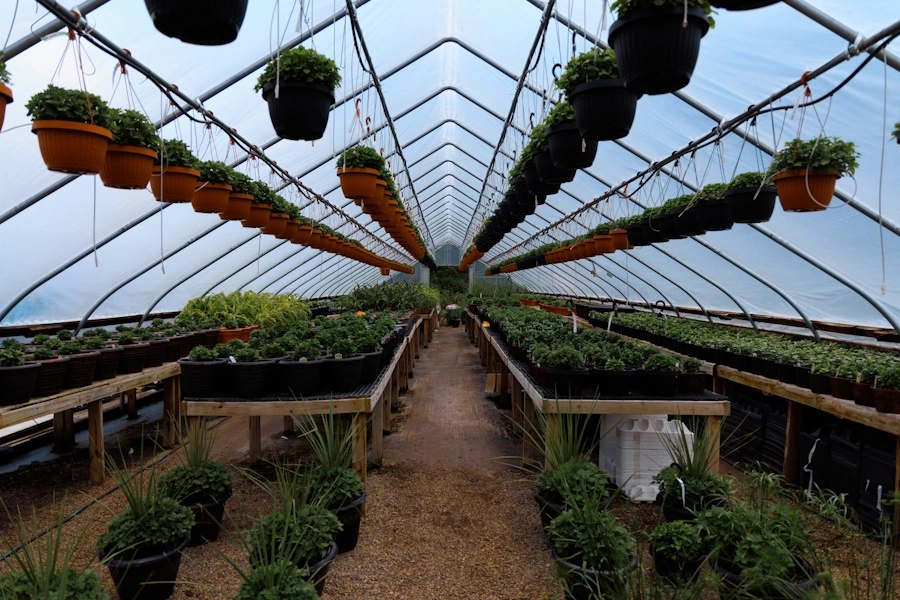
Local Nursery Scene in Buckeye
Buckeye presents a niche horticultural market. While the total number of nurseries is limited, the existing suppliers cater to distinct segments of the industry. You will find a blend of retail-focused garden centers serving residential homeowners and specialized wholesale operations catering to landscape architects. Because the desert environment demands specific expertise, these suppliers focus heavily on drought-tolerant species and soil health, two critical components for surviving the extreme temperature swings of Maricopa County.
Understanding your specific needs is vital when navigating these options. Residential gardeners looking for retail convenience and soil amendments will gravitate toward retail-oriented garden centers. Conversely, those tackling large-scale landscape projects or seeking high-quality shade trees may find more value in specialized wholesale operations. This diversity allows Buckeye residents to source everything from foundational trees to organic inputs like worm castings and mulch in one region.
Comparison of Top Nurseries
| Nursery Name | Rating | Specialization | Type |
|---|
| Flower of the Gods Nursery | 5 | Trees, Shrubs, Soil Health | Retail Garden Center |
| Tonopah Tree Farm | 5 | General Nursery | General Nursery |
| Mr. Green Nursery | 5 | Thornless Chilean Mesquites | Wholesale Nursery |
Deep Dive into Nurseries
Flower of the Gods Nursery operates as a comprehensive retail garden center. They stock a wide variety of woody plants alongside essential landscape supplies like compost, mulch, and worm castings. Their model supports residential and commercial projects through local delivery options and integrated financing.
Tonopah Tree Farm maintains a general plant inventory, serving as a reliable nursery source for the local area. While their catalog is broader, they occupy a necessary space for homeowners looking for diverse plant options that can survive the rigorous Arizona climate.
Mr. Green Nursery functions primarily as a wholesale nursery, specializing in high-quality thornless Chilean Mesquite trees. Their professional-grade inventory is tailored for landscape contractors and architects who require consistent, climate-adapted specimen trees for large-scale installation. They prioritize six-day-a-week operations to maintain steady supply chains for industry professionals.
Buying Guide for AZ Gardeners
Gardening in Buckeye places you within a high-heat, arid environment, typically classified as USDA hardiness zones 9a through 10a. Success requires more than just picking a plant that looks good; it requires selecting varieties that thrive in low water and high UV conditions. When shopping at a local nursery or garden center, consider these professional guidelines:
- Prioritize Native Species: Plants evolved in the Sonoran Desert are naturally drought-tolerant. Species such as Mesquite, Palo Verde, and various cacti require significantly less supplemental irrigation than non-native imports.
- Check Root Development: Before purchasing from any nursery, gently check for root circling. Container-grown plants should have healthy, white roots, not tightly packed or girdled roots which lead to long-term decline after planting.
- Acclimatization Advantage: Plants sourced from local growers are often already hardened to the regional temperature swings. This transition is much easier on the specimen than plants transported from coastal or more humid regions.
- Focus on Soil Infrastructure: Desert soils are notoriously low in organic matter. Always buy a high-quality compost or mulch from your local garden center when planting to help the soil retain moisture and encourage beneficial microbial activity.
- Planting Timing: Avoid the peak heat of summer. The most successful planting window in Buckeye is from late fall through early spring. This allows the root systems to establish during the cooler months before the extreme heat arrives.
- Avoid Big-Box Limitations: Local nurseries often carry specialized varieties suited to the specific microclimates of the valley. Their staff frequently possesses deeper knowledge of pest management and irrigation requirements than general retail clerks, which is invaluable for long-term plant health.
By leveraging these specialized local nurseries, homeowners can avoid the trial-and-error cycle that often kills nursery-bought plants during their first Arizona summer. Whether you are improving your soil structure or selecting shade trees for your property, prioritize local, climate-adapted stock.