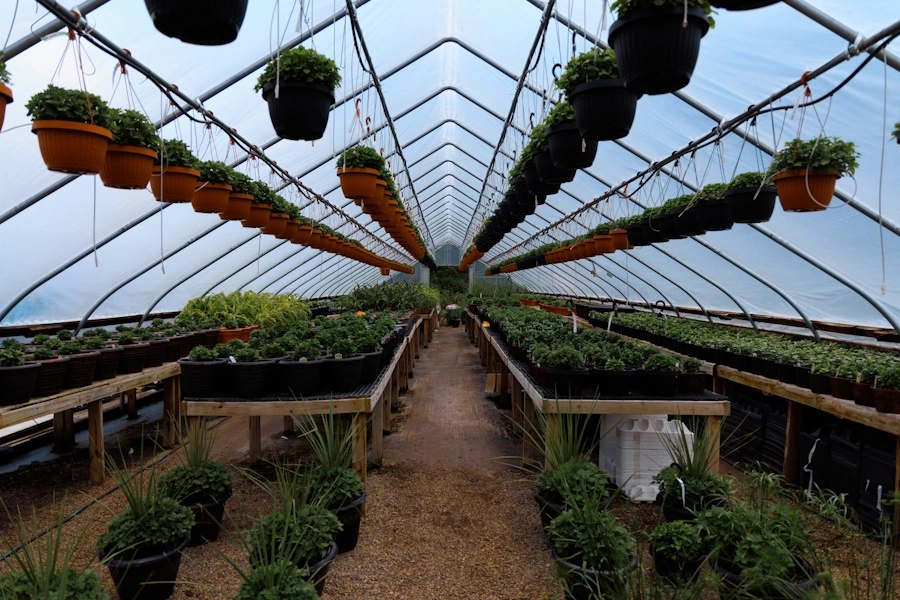
Local Nursery Scene in Gardena
Gardena hosts a select group of horticultural suppliers catering to varying levels of gardening expertise. Our analysis identifies 4 distinct nurseries and garden centers currently serving the local area. While the density of commercial plant suppliers is modest, the operational diversity is significant. You can find everything from specialized wholesale production to multi-generational retail garden centers. Understanding these distinctions saves time and ensures you visit a business equipped to meet your specific landscaping or gardening needs.
Comparison of Top Nurseries
| Nursery Name | Rating | Specialization | Type |
|---|
| Sunflower Farms | 4.7 | Retail, Landscape Design | Garden Center |
| C Stars Nursery | 4.3 | Plumeria, Tropicals | Wholesale Nursery |
| Ramirez Nursery llc | 4.7 | General Horticulture | Plant Nursery |
| Centeno Nursery Landscaping | 4.7 | General Horticulture | Nursery/Landscaping |
Deep Dive into Nurseries
Sunflower Farms represents the most comprehensive retail experience for local homeowners. Since 1975, this Torrance-based facility has grown into a full-service nursery providing roses, fruit trees, and edible herbs. They differentiate themselves through educational outreach and on-site landscape design services.
C Stars Nursery serves as a primary source for Plumeria and tropical flowering plants. Because they operate as a wholesale supplier, individual retail customers should contact them beforehand to inquire about their business-to-business model. Their expertise is highly focused, making them the regional authority for this specific plant category.
Ramirez Nursery llc maintains a strong reputation for general plant stock with a 4.7 rating. As a general nursery, they provide the essential plant varieties necessary for typical residential backyard projects. They are a reliable option for foundational garden work.
Centeno Nursery Landscaping integrates plant supply with professional exterior services. By combining nursery stock with landscape installation capabilities, they offer a convenient solution for those managing larger garden projects. This dual functionality ensures that homeowners can source materials and labor from a single point of contact.
Buying Guide for CA Gardeners
- Climate Acclimation: California features diverse microclimates, and Gardena specifically benefits from a mild Mediterranean influence. Always prioritize plants labeled as native to the region or drought-tolerant; these are already acclimated to local rainfall patterns and heat cycles.
- Soil Health: Southern California soils often lean alkaline or contain heavy clay. Before purchasing, amend your garden beds with organic compost to improve drainage and nutrient retention.
- Seasonal Timing: While the California climate allows for year-round gardening, the best time for planting perennial shrubs and trees is typically during the fall or early spring. This allows roots to establish before the peak heat of summer.
- Inspection Standards: When purchasing from any nursery or garden center, inspect the plant's health closely. Check for signs of root-bound systems by gently pulling the base of the plant from its container. Avoid specimens with visible pests, yellowing leaves, or dry, cracked soil.
- Local vs. Big-Box: Local nurseries in Gardena source stock that is often grown in similar California conditions. This reduces the "transplant shock" common when purchasing plants imported from massive distribution networks in different climate zones.
Gardening in Gardena requires an understanding of how our local heat and water availability interact with your specific landscape. Whether you are installing a new flower bed with materials from a local garden center or seeking professional guidance from a specialized nursery, quality stock is the foundation of success. Buying local means supporting growers who understand the specific pest pressures and water requirements of the Los Angeles basin. By focusing on plants with high drought tolerance, you significantly reduce ongoing maintenance costs while contributing to the regional ecosystem.