

💬 26 reviews⭐ 4.5
maps_search
Roseledge Country Inn and Farm Shop, LLC
📍8, Burdick Road, Preston City, Connecticut, 06365, US
No website listed
Showing 2 verified nurseries & garden centers near you
 P
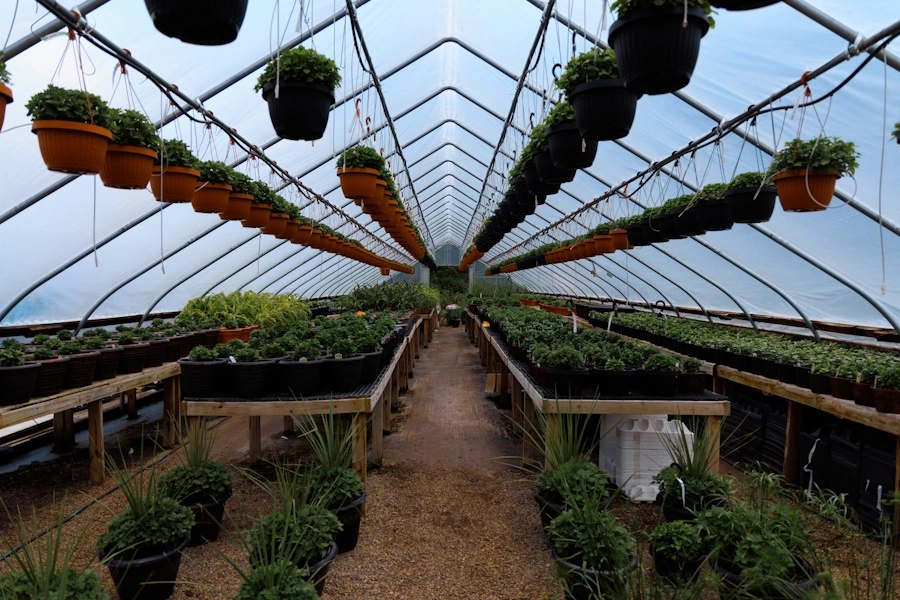
PWholesale Horticultural Nursery Supplier. Top products: Ornamental Trees, Flowering Shrubs, Perennials, Conifers, Deciduous Trees. Prides Corner Farms is a major horticultural nursery and wholesale supplier serving garden centers, landscape professionals, and retail partners. Operating as a comprehensive, 'one-stop' sourcing partner, the farm specializes in a vast, diverse inventory including ornamental trees, flowering shrubs, perennials, grasses, and cold-hardy conifers. Their business model centers on professional-grade logistics, offering reliable, weekly regional delivery using specialized cart systems to ensure product quality and handling efficiency. Beyond production, Prides Corner Farms acts as a strategic business partner, offering value-added services such as Pay-to-Display programs, e-commerce support, and curated marketing resources designed to help their customers increase retail margins. With a focus on responsiveness, the company manages the complexities of a highly seasonal industry through flexible inventory management and proactive communication. They consistently introduce new cultivars and branded plant series to the market, supporting the long-term growth and environmental stewardship goals of their horticultural business partners.
Ledyard’s horticultural landscape currently centers on two primary providers. While the town maintains a specialized niche rather than a sprawling commercial garden center district, these suppliers offer distinct value for different types of buyers. One nursery focuses on the direct-to-consumer experience, while the other serves the professional industry. Residents planning a landscape project must distinguish between these roles to avoid frustration. Local gardening in Connecticut requires a keen understanding of USDA hardiness zones, specifically zones 5b through 6b. This climate brings harsh winters and humid summers, necessitating plant selections that survive deep freezes. You must prioritize species that handle both the cold and the fluctuating moisture levels characteristic of New England.
| Nursery Name | Rating | Specialization | Type |
|---|---|---|---|
| Roseledge Country Inn and Farm Shop, LLC | 4.5 | General plant nursery | maps_search |
| Prides Corner Farms | 5.0 | Wholesale Horticultural Nursery Supplier | maps_search |
Roseledge Country Inn and Farm Shop, LLC: This location operates as a general plant nursery, providing accessible options for local residents. It serves as a starting point for those looking to improve their home gardens without needing professional-grade bulk volume.
Prides Corner Farms: This is a major wholesale horticultural supplier and a significant industry player. Because they function as a wholesale powerhouse rather than a walk-in retail shop for individual homeowners, they focus on providing diverse, cold-hardy inventory like ornamental trees and flowering shrubs to landscape professionals and retail partners throughout the region.
Successful gardening in Ledyard depends on working with the regional environment. Choosing the right nursery or garden center is only the first step. Follow these guidelines to ensure your plants thrive in the Connecticut climate:
By shifting the focus from impulse buying to strategic planning, local gardeners can transform their property into a sustainable, resilient landscape. Understand the difference between a wholesale supplier and a retail garden center. If you are a homeowner, rely on local retail centers that prioritize regionally adapted stock. If you are a professional, leverage the logistics and vast inventory of wholesale partners to maintain high standards for your clients.
A: The ideal planting window in Ledyard falls between mid-April and early June, and again from early September through October. These periods avoid the extreme heat of mid-summer and the harsh freeze of mid-winter. Fall planting is particularly effective for trees and shrubs, as it allows root systems to establish in cooling soil while minimizing heat-induced stress, giving the plants a massive head start before the next growing season begins.
A: Plants grown within the state are already acclimated to the specific USDA hardiness zones of the region. They have adapted to the local length of daylight, humidity levels, and soil chemistry. When you buy locally, you avoid the 'transplant shock' associated with plants shipped from warmer southern nurseries that often die during the first intense New England winter.
A: A nursery is primarily an agricultural production site where plants are propagated and grown to maturity. A garden center is a retail-focused establishment that stocks plants, tools, mulch, and soil amendments. While some nurseries have retail shops, many wholesale operations like Prides Corner Farms focus exclusively on supplying professional landscapers, whereas retail garden centers provide the direct service and inventory necessary for the average homeowner to complete their garden projects.
A: Connecticut soil is often acidic or clay-heavy. Before planting, perform a professional soil test to determine the exact pH and nutrient levels. Generally, incorporating high-quality compost or aged manure improves drainage and nutrient retention. For acid-loving plants like azaleas or rhododendrons, you may need to supplement with elemental sulfur or peat moss to lower the pH, while adding lime can help balance soil that is too acidic for lawn and vegetable health.
A: Yes. Native plants have evolved alongside local pollinators, soil types, and climate cycles. They are inherently more drought-tolerant once established and require significantly less maintenance, fertilizer, and pest control than non-native species. By incorporating native perennials and shrubs, you support local ecosystems and biodiversity, creating a sustainable garden that is naturally designed to thrive in the Connecticut environment without constant human intervention.