The Local Nursery Scene in Montville
Gardening in Montville requires an understanding of the regional climate and soil conditions. Local nurseries and garden centers serve as the backbone for both professional landscapers and residential gardeners looking to establish sustainable landscapes. By sourcing materials from growers that understand the specifics of New England weather patterns, you ensure a higher success rate for your garden. Whether you are looking for ornamental specimens or native species that support local biodiversity, the Montville area offers specialized resources to help your plants thrive.
Current Local Nurseries
| Name | Rating | Specialization |
|---|
| Plant Lot Farms | 4.8 | Wholesale horticultural nursery, ornamental trees, and native plants. |
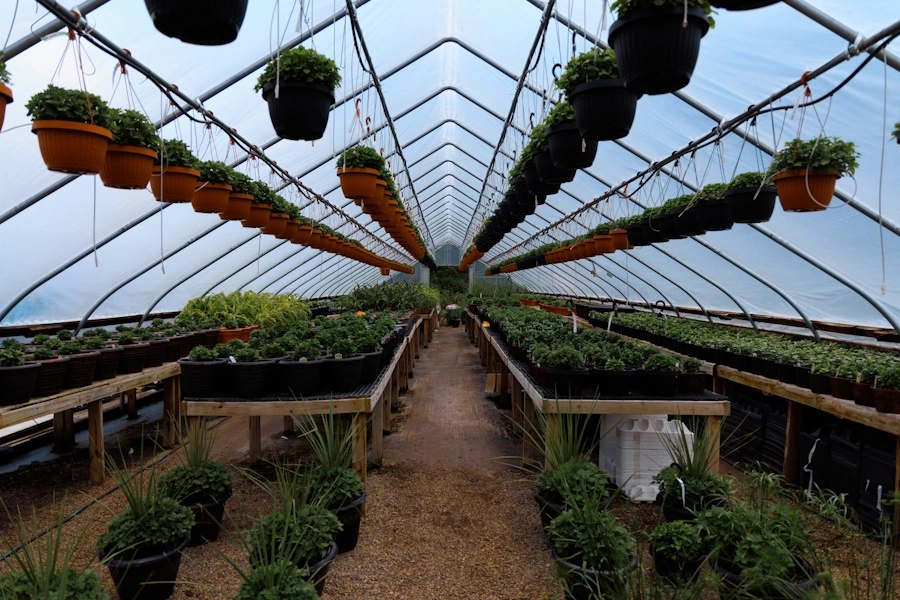
Plant Lot Farms represents a significant part of the regional horticultural landscape. They focus on the wholesale supply of perennials, shrubs, and ornamental grasses. Professionals often rely on such suppliers for consistent inventory, including branded plant programs that simplify landscape design. While some growers cater exclusively to wholesale accounts, the impact of their high-quality production is visible throughout residential and commercial projects in Connecticut.
Why Buy Locally Grown in CT?
Montville is primarily situated in USDA hardiness zones 6a and 6b. Plants propagated in or near these zones are already acclimated to the specific fluctuations in temperature and day length typical of Connecticut. When you purchase from a local nursery, you reduce the risk of transplant shock. These plants are grown to handle the cold winters and humid summers inherent to our region. Furthermore, buying locally minimizes the carbon footprint associated with long-distance shipping and ensures that you receive fresh, healthy stock that hasn't spent days in a transport truck.
Planting Guide & Popular Choices
Timing is critical in Connecticut. Spring planting should typically wait until the soil has warmed and the danger of hard frost has passed, usually late May. Autumn is also an excellent time to plant, as the cooling soil temperatures allow root systems to establish before the ground freezes. Focus your selection on native species such as viburnums, dogwoods, or shade-tolerant ferns, which require less supplemental watering and maintenance once established. For full-sun areas, look for drought-tolerant grasses and perennials that hold up well during typical mid-summer dry spells.

 P
P