Local Nursery Scene in New Haven
New Haven's horticultural landscape relies on a diverse, if compact, network of plant suppliers. Currently, there are 3 primary providers serving the immediate area. These nurseries and garden centers balance conventional residential landscaping needs with specialized environmental restoration. Local growers are essential here because they understand Connecticut's specific USDA hardiness zones, which typically range from 6a to 7a. Plants sourced from local nurseries are already acclimated to the unpredictable New England springs and the inevitable winter freezes, providing a higher success rate than nursery stock shipped from warmer climates.
Comparison of Top Nurseries
| Nursery Name | Rating | Specialization | Type |
|---|
| Van Wilgen's Garden Center | 4.7 | Full-service retail | Garden Center |
| Greenbrier Greenhouse | 4.5 | General plant nursery | Nursery |
| Urbanscapes Native Plant Nursery | 4.9 | Native plant restoration | Conservation Nursery |
Deep Dive into Nurseries
Van Wilgen's Garden Center is a fourth-generation, family-owned business that serves as the region's comprehensive hub for residential landscapes. They maintain a vast inventory ranging from specimen trees and shrubs to organic soils produced in-house, ensuring gardeners have access to locally optimized growth media. Beyond retail, their focus on education and professional design services bridges the gap between simple product sales and full-scale landscape transformation.
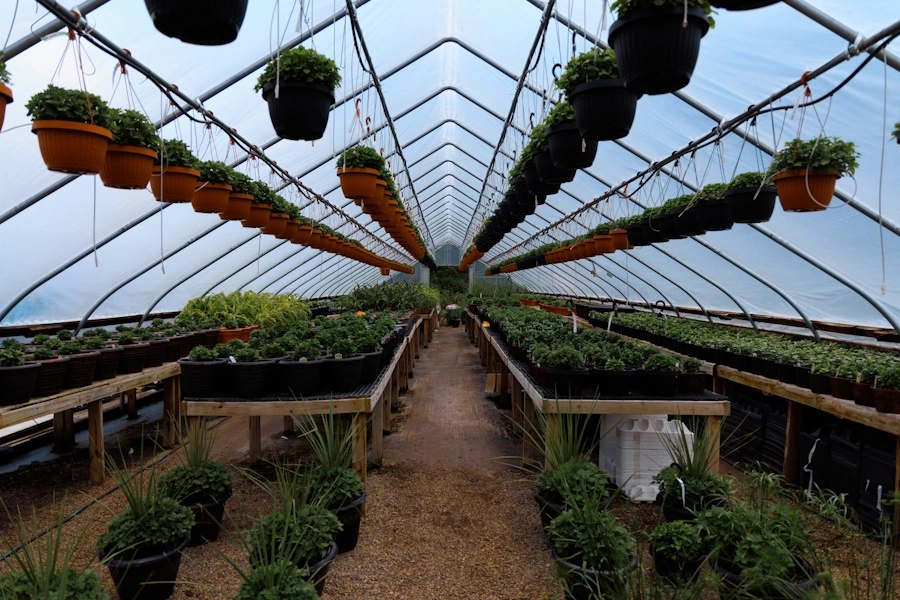
Greenbrier Greenhouse operates as a general plant nursery, providing essential botanical materials for the local population. While smaller than large-scale retail outlets, this facility focuses on the foundational needs of residential gardening, offering a accessible inventory for neighborhood planting projects.
Urbanscapes Native Plant Nursery functions as a mission-driven conservation nursery, collaborating with the Menunkatuck Audubon Society. They propagate native shrubs and perennials specifically selected to bolster local bird populations and regional pollinators. By training local youth in propagation, they combine environmental restoration with community development, ensuring urban gardens contribute to the broader ecological health of Connecticut.
Buying Guide for CT Gardeners
- Prioritize Native Species: New Haven's climate requires resilient flora. Native perennials and shrubs from suppliers like Urbanscapes provide the best drought tolerance and resistance to local pests, as they evolved alongside Connecticut's specific ecosystem.
- Timing is Everything: Connecticut's growing season is dictated by the last frost, usually in early to mid-May. Avoid planting sensitive annuals too early. Hardier trees and shrubs can be planted in late autumn to allow root establishment before the ground freezes.
- Check Soil Health: Local nurseries often supply regionally specific soil amendments. Connecticut soils can be acidic or heavy with clay; using specialized local mulch and compost mixes prevents poor drainage and nutrient deficiencies.
- Inspect Before Purchase: A healthy plant has firm, disease-free foliage and roots that fill the container without circling or becoming 'root-bound.' Local garden centers allow you to inspect the specimen physically, which is an advantage over big-box retailers where plant quality can fluctuate significantly.
- Acclimation Advantage: Buying from a local grower ensures the plant has experienced the local light intensity and temperature swings of our region. Plants brought in from warmer greenhouses in the South often suffer from 'transplant shock' when exposed to a New Haven spring.
The distinction between a garden center and a wholesale nursery is significant for a homeowner. A garden center typically provides a curated, high-end shopping experience complete with expert advice, hardscaping tools, and seasonal decor. A specialized nursery often carries a smaller, more focused inventory of high-quality, regionally grown stock. For the New Haven gardener, shifting focus from large, corporate chain stores to these smaller operations provides not only better plant health but also specific, actionable knowledge that improves long-term survival rates for your investment. Whether you are looking for edible herbs or ecological restoration, supporting these local businesses directly improves the environmental quality of the city.

 V
V
