Local Nursery Scene in Wallingford
Wallingford features a concentrated selection of specialized plant production, currently anchored by two distinct horticultural operations. While the region lacks a dense network of traditional, massive retail garden centers, the existing local nurseries provide high-level expertise that big-box retailers simply cannot match. Residents here benefit from direct access to multi-generational wholesale production and specialized perennial breeding. Understanding the nuances of these two businesses allows local gardeners to tap into locally-grown, cold-hardy stock perfectly suited for Connecticut winters.
Comparison of Top Nurseries
| Nursery Name | Rating | Specialization | Type |
|---|
| Geremia Greenhouses | 4.2 | Wholesale ornamental and edible | Wholesale |
| Ctdaylily | 5 | Daylily Perennial Nursery | Specialty |
Deep Dive into Nurseries
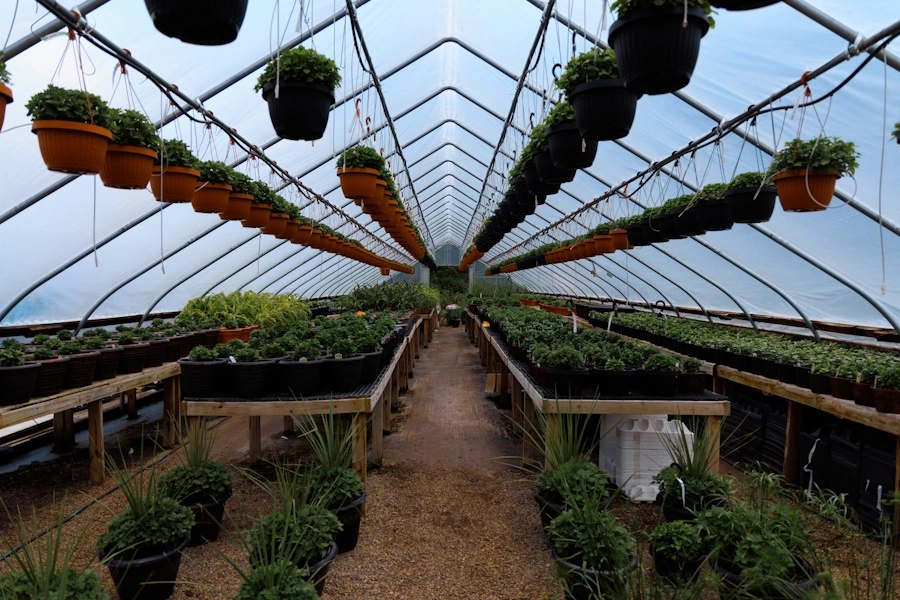
Geremia Greenhouses operates on a 7-acre site in Wallingford, serving as a pillar of the local horticultural economy for over a century. This family-run wholesale business focuses on consistent, year-round production of seasonal vegetables, herbs, and ornamental plants that stock local supply chains. Their controlled-environment growing techniques ensure that the plant material is hardened for the specific demands of the Connecticut growing cycle.
Ctdaylily functions as a boutique, specialty nursery operated by award-winning hybridizer Rich Howard. The nursery focuses exclusively on Hemerocallis (daylilies), producing high-quality, cold-hardy cultivars for collectors and plant societies worldwide. Unlike general garden centers, this nursery operates on a direct-to-consumer basis, emphasizing specialized genetics and propagation knowledge over mass-market retail inventory.
Buying Guide for CT Gardeners
Connecticut gardening requires a deep understanding of USDA hardiness zones 6a and 6b. Our regional climate presents significant challenges, including erratic spring frosts, hot humid summers, and freeze-thaw cycles that can heave delicate perennials out of the ground. Purchasing from local nurseries offers distinct advantages for the Connecticut gardener:
- Climate Acclimation: Plants propagated in Connecticut are already adapted to local photoperiods and seasonal temperature swings, reducing transplant shock compared to big-box plants shipped from southern states.
- Disease Resistance: Local growers often select cultivars that perform well under regional pressure from common pests and fungal diseases prevalent in the Northeast.
- Soil Considerations: Wallingford gardeners often contend with varied soil types, ranging from sandy loam to rocky glacial till; local nursery staff can offer better advice on amendments than non-specialized retail employees.
- Plant Health Assessment: When selecting specimens, always inspect the root system for circling or overcrowding. Check the undersides of leaves for signs of aphids, mites, or whitefly—problems that can be introduced into a home garden through infested nursery stock.
- Native Species Focus: Prioritize species that support local pollinators. Native plants have evolved alongside our specific ecosystem, generally requiring less irrigation and chemical intervention once established.
- Seasonal Timing: The optimal window for planting shrubs and trees in Connecticut is either early spring or fall. Avoid mid-summer planting, which requires excessive watering to keep root balls hydrated against the regional heat.
By leveraging the specialized knowledge at local nurseries like Geremia Greenhouses or Ctdaylily, gardeners gain access to plant material that is scientifically bred or grown to survive the Connecticut landscape. Move beyond the limited, often generic inventory of national chains to build a garden that is truly localized and sustainable.

 G
G