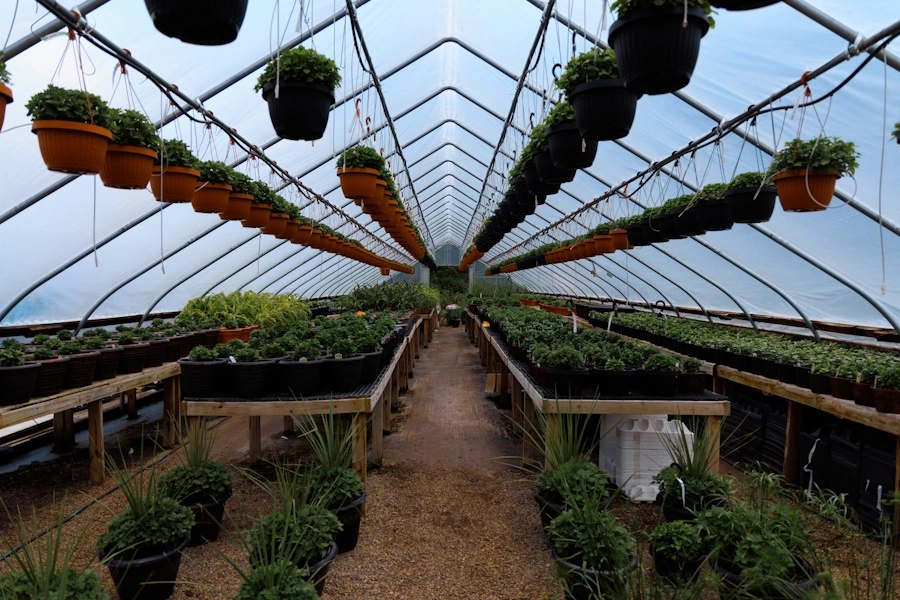
Local Nursery Scene in Willimantic
The Willimantic area and surrounding Eastern Connecticut region offer a robust selection of 10 primary plant nurseries and retail garden centers. This density of horticultural businesses provides homeowners and professional landscapers with significant access to high-quality plant stock, ranging from specialty wholesale growers to comprehensive retail centers. Connecticut generally sits within USDA Hardiness Zones 5b to 6b, making the selection of winter-hardy perennials and climate-resilient shrubs a priority for successful planting. The market is split between retail garden centers, which serve the general public with houseplants and gardening essentials, and wholesale operations that focus on large-scale production for landscape contractors.
Comparison of Top Nurseries
| Nursery Name | Rating | Specialization | Type |
|---|
| Mackey's Willimantic | 4.6 | Retail Garden Center | Full-Service |
| Mackey's Colchester | 4.6 | Retail Garden Center | Full-Service |
| Hart's Greenhouse & Garden Center | 4.7 | Greenhouse/Nursery | Full-Service |
| Ladd's Garden Center | 4.7 | Horticultural Retail | Retail |
| Neighbors Tree Farm | 4.8 | General Nursery | General |
| Heatherly Tree Farm | 5.0 | General Nursery | General |
| Canterbury Tree Farm | 4.3 | Wholesale Trees | Wholesale |
| Canterbury Horticulture | 5.0 | Wholesale Grower | Wholesale |
| waterfield family farm | 4.0 | General Nursery | General |
| Comer Nursery LLC | N/A | Full Service Garden Center | Retail |
Deep Dive into Nurseries
Mackey's Willimantic acts as a cornerstone for local gardening, stocking everything from fruit trees to pest control supplies. Their focus on both livestock and plant health makes them a versatile resource for hobbyists.
Mackey's Colchester shares the legacy of its sister location, providing deep expertise in soil amendments and pollinator-friendly gardening. They are a primary destination for residents needing tailored advice for local soil conditions.
Hart's Greenhouse & Garden Center leverages its own production facilities to maintain high quality control over annuals and perennials. Their multi-generational experience ensures that customers receive plants already acclimated to the regional climate.
Ladd's Garden Center boasts an impressive inventory of over 391 perennial varieties. As a fixture in South Windham for over 46 years, they excel at providing staff-assisted consultations for complex landscape projects.
Neighbors Tree Farm operates as a general nursery, providing a specialized local source for woody plants. Their focus on tree cultivation supports regional reforestation and residential landscaping needs.
Heatherly Tree Farm maintains a high standard of customer satisfaction as a general plant nursery. Their rating reflects a strong commitment to quality stock for the local gardening community.
Canterbury Tree Farm is a strictly wholesale operation managing over 150 acres of land. They provide medium to large caliper trees to contractors across the Northeast, emphasizing industrial-grade durability.
Canterbury Horticulture operates as a wholesale grower with 25 years of experience. They streamline the supply chain for professional landscapers, offering consistent logistics and high-quality ornamental stock.
waterfield family farm serves as a local nursery point, contributing to the diversity of plant availability in the region. It functions as a smaller-scale resource for residential plant needs.
Comer Nursery LLC is currently in its development phase with a full-scale launch scheduled for Spring 2026. As a full-service garden center, it will offer the community everything from perennials to bulk gardening materials, filling a crucial gap for homeowners in the Amston area.
Buying Guide for CT Gardeners
- Choose Local Stock: Connecticut growers produce plants that are already hardened to our specific freeze-thaw cycles, ensuring better survival rates compared to big-box imports.
- Understand Hardiness Zones: Always check labels for Zone 5/6 compatibility. Plants labeled for warmer southern zones often fail to survive Connecticut winters without extreme protection.
- Inspect Before Buying: Look for vigorous growth, firm roots, and the absence of insect pests or signs of disease. Avoid plants that are heavily pot-bound with circling, suffocated roots.
- Prioritize Native Species: Incorporating native perennials reduces the need for supplemental irrigation and chemical fertilizers, as these plants have evolved to thrive in local soil and rainfall conditions.
- Test Your Soil: Local nurseries often provide soil testing kits or professional advice. Understanding your pH levels is the most effective way to ensure long-term health for your shrubs and trees.