

💬 55 reviews⭐ 4.7
maps_search
All American Arbor Services
📍20442 NW 43rd Ct, Miami Gardens, FL 33055, USA
No website listed
Showing 3 verified nurseries & garden centers near you

 B
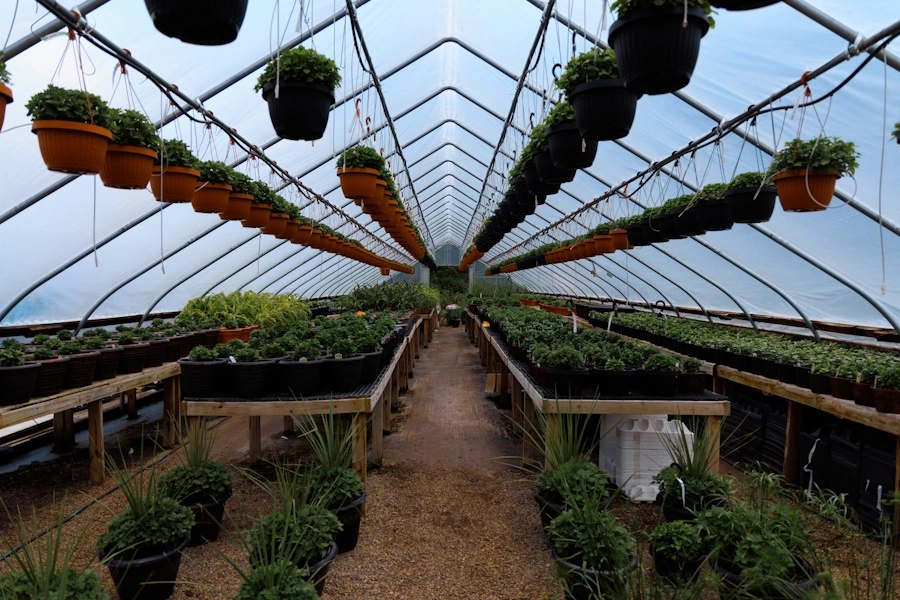
BThe horticultural landscape in Miami Gardens presents a focused selection of options for local residents and landscapers. Currently, we have identified three primary suppliers operating within the immediate area. While this may seem like a limited number compared to larger urban centers, these establishments represent the core points of contact for botanical needs in the region. Buyers should recognize that Miami Gardens sits within USDA Hardiness Zone 11b, a sub-tropical climate that requires specific plant selection strategies to ensure survival during the hot, humid summers and mild winters.
| Nursery Name | Rating | Specialization | Type |
|---|---|---|---|
| All American Arbor Services | 4.7 | General plant nursery | maps_search |
| Dixon Nursery | 4.0 | General plant nursery | maps_search |
| BG Plants | 4.7 | General plant nursery | maps_search |
All American Arbor Services currently holds the highest volume of feedback among local providers with 55 reviews. This volume suggests a consistent track record of service for individuals seeking general plant stock and potentially arbor-related horticultural advice. Their focus on the general nursery category indicates a broad inventory suitable for residential landscaping needs.
Dixon Nursery serves the community with a recognized presence, evidenced by 44 reviews and a solid 4.0 rating. As a general nursery, they are a primary destination for those looking for typical Florida-friendly plant varieties that can withstand the specific moisture and temperature levels of the region. Their tenure in the local market makes them a reliable staple for consistent plant supply.
BG Plants is a smaller, niche-focused supplier based on current data. While their review count is lower, their high rating reflects a commitment to quality. For shoppers visiting this garden center, the focus is often on high-quality specimens that might not be available in mass-market retail chains, prioritizing plant health over mass volume.
Navigating the Florida gardening environment requires more than just picking what looks attractive. You must prioritize local conditions to maintain a healthy landscape with minimal chemical intervention.
Successful gardening in this region is a marathon, not a sprint. By focusing on site-specific planning, you reduce the necessity for excessive irrigation and fertilizers, which is better for the local water table and your budget. Always verify the maturity size of your chosen plants to prevent future structural issues near your home's foundation or overhead power lines.
A: Native plants are evolutionarily adapted to the specific soil types, rainfall patterns, and pest populations of Florida. By selecting natives, you significantly reduce the amount of water, fertilizer, and pesticides required for maintenance. These plants also provide essential nectar and shelter for local pollinators, butterflies, and birds, ensuring your garden functions as a healthy, self-sustaining ecosystem that can better withstand the extreme climate events often seen in the Miami region.
A: In South Florida, the ideal planting window falls between October and March. During this period, the temperatures are moderate, and the humidity levels are significantly lower than in the summer. Establishing root systems during these months helps plants survive the intense, high-heat stress and heavy rainfall of the tropical summer season. Planting in the summer is possible but requires much more frequent watering and intensive care to prevent heat exhaustion.
A: Local soil is often sandy or based on oolitic limestone, which drains quickly and lacks essential nutrients. You should incorporate high-quality, aged organic compost or well-decomposed leaf mold into the top 6 to 12 inches of your planting area. This improves moisture retention, increases the cation exchange capacity of the soil, and encourages a diverse population of beneficial soil microbes, all of which are critical for healthy plant development.
A: A local nursery usually prioritizes plant health, proper irrigation, and acclimation. These businesses often grow their inventory on-site or source from local growers familiar with the specific Florida climate. In contrast, big-box garden centers often receive bulk shipments from national nurseries located in completely different climate zones. Consequently, those plants may struggle to adapt to the local humidity and UV intensity, leading to a higher mortality rate post-purchase.
A: Carefully slide the plant out of its container to inspect the root ball. If you see roots circling the outside of the soil mass or if the roots appear dense and matted at the bottom, the plant is root-bound. This can cause the plant to eventually strangle itself. Avoid purchasing such plants unless you are prepared to perform root pruning at the time of planting to encourage outward growth.