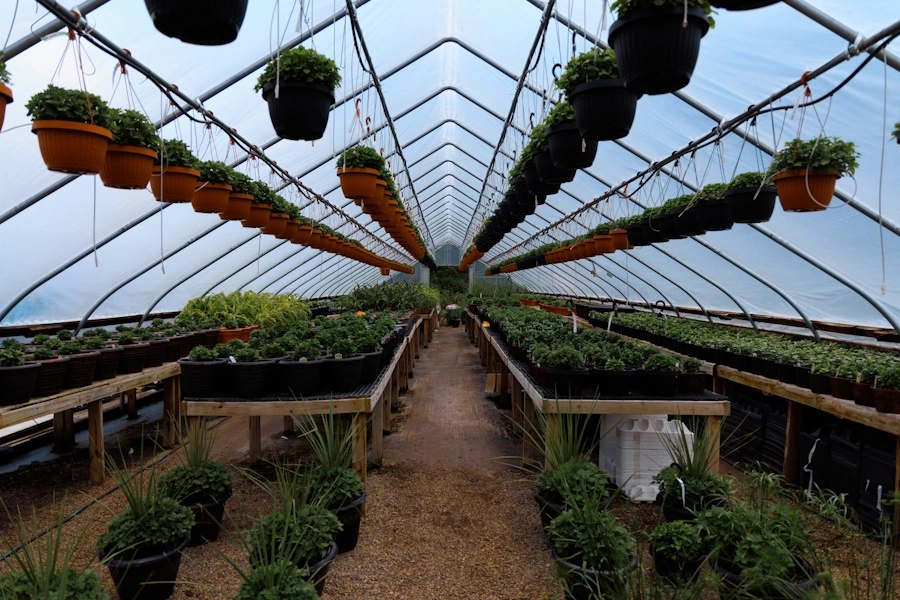
Local Nursery Scene in St. Augustine
St. Augustine offers 10 primary nurseries and garden centers to support local gardening needs. These establishments range from specialized growers focused on native species and edible fruit trees to general garden supply hubs. Navigating the selection requires understanding that St. Augustine falls within USDA zones 9a and 9b, characterized by high humidity, sandy soil, and periodic cold snaps. Local gardeners benefit significantly from selecting plants already acclimated to these specific environmental stressors, which is why sourcing from independent nursery operators often proves superior to buying from national chains.
Comparison of Top Nurseries
| Nursery Name | Rating | Specialization | Type |
|---|
| Southern Horticulture | 4.8 | Native Coastal Florida Plants | Garden Center |
| Johns Nursery 210 | 3.9 | Ornamental & Landscape | Nursery |
| Fruit Trees Only | 4.6 | Edible Fruit Trees | Nursery |
| Terra Nurseries | 4.9 | Sustainable Gardening | Garden Center |
| Lamberts Nursery | 4.6 | Environmental Restoration | Nursery |
| Discount Nursery And Sod | 3.1 | General Plant Stock | Nursery |
| Chatila Nursery | 5.0 | General Plant Stock | Nursery |
| Nature Supply Nursery | 5.0 | General Plant Stock | Nursery |
| Hagan Ace Garden Center | 4.0 | Hardware & Supplies | Garden Center |
| A Nature's Nook | N/A | Indoor Houseplants | Specialized Retail |
Deep Dive into Nurseries
Southern Horticulture operates on a three-acre site, focusing on plants adapted for Zone 9b. Their inventory of 1,000+ varieties makes them a premier destination for those seeking pollinator-friendly and salt-tolerant coastal species.
Johns Nursery 210 has spent nearly two decades supplying the region with tropicals and foundation shrubs. Their collaboration with pest management services provides a holistic approach to landscape health for homeowners and professionals.
Fruit Trees Only fills a vital niche for edible landscapes, focusing on low-chill citrus, avocado, and berry varieties. Their grafted trees are curated specifically for the heat and humidity of North Florida.
Terra Nurseries serves as an educational hub for sustainable gardening. Their focus on biodiversity and organic practices makes them a top choice for environmentally conscious residents aiming to improve their local ecosystem.
Lamberts Nursery handles both residential landscaping and larger forestry projects. Their expertise in wildlife habitat plants distinguishes them from standard retail centers.
Discount Nursery And Sod functions as a standard plant nursery, likely prioritizing volume and affordability. Buyers here should inspect plants thoroughly for signs of pests or disease before finalizing purchases.
Chatila Nursery maintains a perfect rating, serving as a boutique or localized general nursery. Such providers typically offer a curated, albeit smaller, inventory with higher customer attention.
Nature Supply Nursery is a general provider for the local area. Small, high-rated nurseries often carry stock that has been locally propagated, ensuring better transplant success.
Hagan Ace Garden Center acts as a reliable retail resource for mulch, fertilizers, and potting supplies. As a 'Proven Winners' retailer, they offer a consistent, quality-controlled selection of seasonal flowers.
A Nature's Nook specializes exclusively in houseplants and interior design. Without a public rating, their service-oriented model suggests they prioritize plant diagnostics and long-term care support for indoor gardeners.
Buying Guide for FL Gardeners
- Climate Matching: Always verify that a plant is rated for USDA zones 9a or 9b. Tropical plants may require protection during winter, while coastal-native species handle the salt spray naturally.
- Inspection Checklist: Look for firm, healthy roots; avoid plants that are 'root-bound' in their pots. Check the undersides of leaves for spider mites or scale, common pests in Florida’s humid environment.
- The Benefit of Local Growers: Plants grown in local nurseries are already hardened off for St. Augustine’s specific sunlight and water conditions. They encounter less transplant shock compared to generic stock shipped in from different latitudes.
- Soil Prep: St. Augustine soil is predominantly sandy and lacks organic matter. Incorporate compost and mulch before planting to retain moisture and build the microbial health necessary for long-term growth.
- Seasonal Strategy: Plan your major plantings for early spring or autumn. Avoid planting during the peak heat of summer, as young roots struggle to establish before the water evaporates from the sandy substrate.