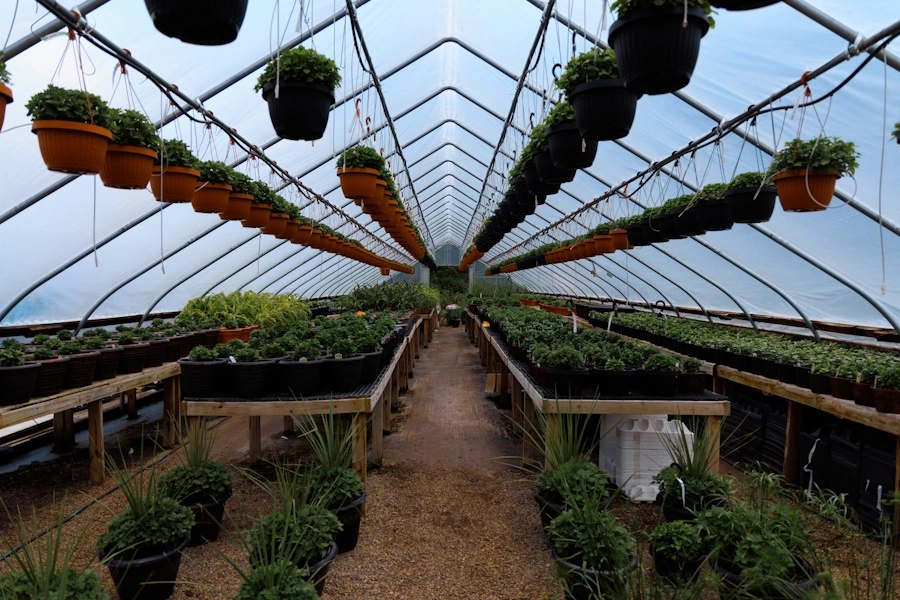
Local Nursery Scene in Alpharetta
Alpharetta residents have access to four primary horticultural suppliers that cater to vastly different needs. Whether you are a professional landscaper sourcing thousands of plants for a commercial project or a homeowner searching for a single fruit tree, the local market breaks down into two categories: retail garden centers and wholesale nurseries. Garden centers emphasize consumer accessibility, education, and variety. Wholesale nurseries focus on the needs of the trade, prioritizing volume and specific botanical cultivars over individual customer service. Understanding the distinction between these entities is the first step toward a successful landscape project in North Georgia.
Comparison of Top Nurseries
| Nursery Name | Rating | Specialization | Type |
|---|
| Magnus Gardens | 5.0 | Fruit trees and exotic plants | Maps Search |
| Pike Nurseries | 4.6 | Retail garden supplies | Retail Garden Center |
| Saul Nurseries Inc | 4.7 | Perennials and natives | Wholesale Nursery |
| ItSaul Plants | N/A | Innovative cultivars and liners | Wholesale Nursery |
Deep Dive into Nurseries
Magnus Gardens focuses exclusively on sustainable horticultural practices. Their inventory centers on fruit trees and exotic species grown without synthetic chemicals or GMOs. They provide a specific service by offering horticultural consultations to assist local residents in developing chemical-free landscapes.
Pike Nurseries serves as a comprehensive garden center with an employee-owned model. They provide a lifetime guarantee on trees and shrubs, which is a major advantage for residential gardeners. They combine retail shopping with professional landscape design and installation services, aiming to remove the guesswork from gardening.
Saul Nurseries Inc operates as a wholesale supplier for the professional trade in Alpharetta. They provide a wide inventory of flowering perennials, native wildflowers, and ornamental grasses designed for high-volume installation. Professionals rely on them for consistent plant quality across large-scale projects.
ItSaul Plants operates as a wholesale producer specializing in plant propagation and breeding. Because they carry no retail rating, home gardeners should note that they function as a supplier to other nurseries and landscapers, not the general public. They offer specialized, patented cultivars that you will likely find at your local retail nursery.
Buying Guide for GA Gardeners
Gardening in Alpharetta requires a clear understanding of Georgia’s climate. Most of this region sits in USDA Hardiness Zone 7b or 8a, meaning summer heat and humidity are significant factors in plant survival. When building your garden, consider the following:
- Prioritize Native Species: Plants native to Georgia, such as certain ornamental grasses or wildflowers, are naturally acclimated to local rainfall patterns and soil types. They typically require less irrigation once established.
- Check Plant Health: Before purchasing from a retail garden center, inspect the root system. Avoid plants that are root-bound or show signs of circling roots, as these will struggle to thrive in Georgia’s dense clay soils.
- Seasonality Matters: While container plants can be planted year-round if watered properly, the best time for planting trees and shrubs in North Georgia is the dormant season, typically fall or early spring. This allows roots to establish before the intense summer heat arrives.
- Local Acclimation: Buying from local growers is superior to big-box options. Plants produced in Georgia nurseries have already been exposed to the local humidity and temperature fluctuations, reducing transplant shock compared to inventory shipped from northern states.
- Soil Preparation: Georgia clay needs organic amendment. Always incorporate high-quality compost into your planting holes to improve drainage and aeration, especially when establishing sensitive exotic species like those found at specialized nurseries.
By selecting the right supplier—be it a retail garden center for guidance or a wholesale nursery for specialized stock—you set the foundation for a sustainable and resilient Georgia landscape.