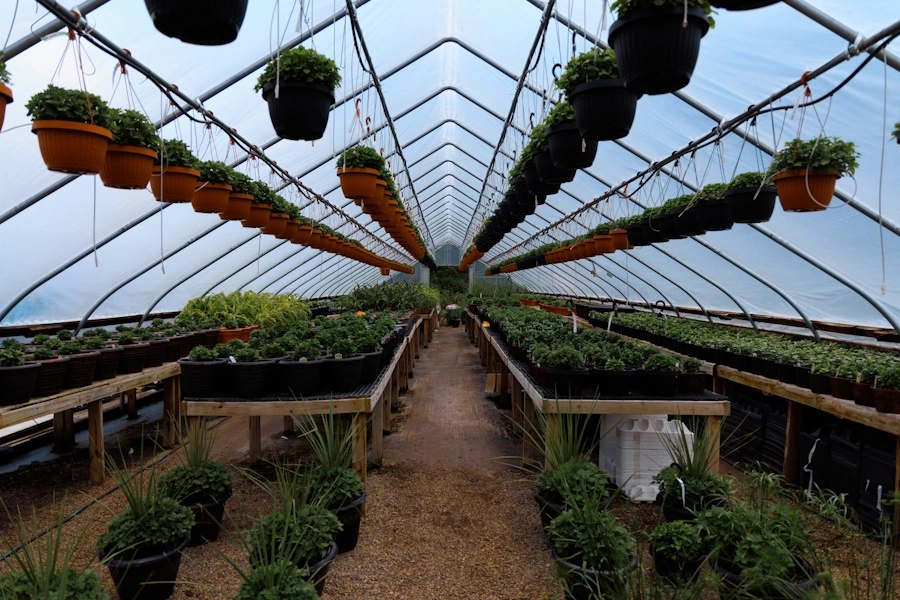
Local Nursery Scene in Americus
Americus, Georgia, features a concentrated selection of plant suppliers catering to distinct gardening needs. While the region hosts three primary nurseries, these outlets span a wide spectrum of botanical services, ranging from boutique indoor plant styling to large-scale reforestation efforts. Because Sumter County sits in USDA hardiness zone 8, local plant selection must balance heat tolerance with seasonal shifts. Understanding the difference between these nursery types is vital for any local grower. Whether you are looking to revitalize an office interior or establish a long-term timber stand, knowing the right facility ensures higher plant survival rates and better growth outcomes.
Comparison of Top Nurseries
| Nursery Name | Rating | Specialization | Type |
|---|
| Topiaries | 5 | House plants, interior design | Retail boutique |
| Georgia Forestry Commission | 5 | Reforestation, native trees | State-run nursery |
| K & L Forest Nursery | 5 | General nursery stock | General nursery |
Deep Dive into Nurseries
Topiaries provides a specialized experience for those prioritizing interior green spaces. This retail boutique focuses on house plants like African Violets, terrariums, and home decor, while functioning as a community hub for plant maintenance and styling education. They excel at helping homeowners integrate nature into domestic environments, offering classes that demystify the care of indoor foliage.
Georgia Forestry Commission serves as a critical resource for land managers, conservationists, and urban developers. They specialize in high-quality seedlings, including genetically improved Loblolly and PCR Slash pines, along with native hardwoods like Oak and Persimmon. By prioritizing drought tolerance and regional disease resistance, they provide stock that is already genetically adapted to the specific soil and climate pressures of the Georgia landscape.
K & L Forest Nursery rounds out the local options as a general nursery provider. As a general supplier, this facility likely serves as a reliable source for a variety of starter plants and standard landscaping materials required for regional projects. Their presence ensures that local gardeners have access to broad-spectrum plant stock that supports standard residential and commercial landscaping needs in the area.
Buying Guide for GA Gardeners
Georgia’s climate requires a strategic approach to plant selection. The state experiences humid, hot summers and mild winters, making drought-tolerant native species often the best choice for long-term landscaping success. Before purchasing, consider these factors:
- Native Plants: Always prioritize species native to Georgia. These plants require less supplemental water, fewer fertilizers, and are naturally resistant to common local pests.
- Inspection: Check leaves for signs of aphids, mites, or fungus. A healthy plant should show vibrant, firm foliage and roots that do not circle the perimeter of the pot.
- Acclimation: Plants grown locally—like those from the Georgia Forestry Commission or specialized area nurseries—are already conditioned to our local humidity levels and heat intensity. This significantly reduces transplant shock compared to big-box store plants shipped from different climate zones.
- Seasonal Timing: For trees and shrubs, aim for late autumn or early spring planting. This allows roots to establish themselves before the intense heat of a Georgia July pushes the plants to their physical limits.
- Soil Prep: Local soils are often heavy clay. Incorporate organic matter or compost before planting to improve drainage and nutrient retention.
By sourcing from nurseries that understand local ecological needs, you move away from the 'quick fix' mentality of big-box retailers. Local nurseries offer varieties that thrive in our specific soil and rainfall patterns. Whether you are planting a single African Violet in a terrarium or reforesting acreage with pines, prioritizing the right source material prevents wasted time and money. Investing in well-acclimated plants ensures that your home or property remains resilient against the region's intense summer climate cycles.