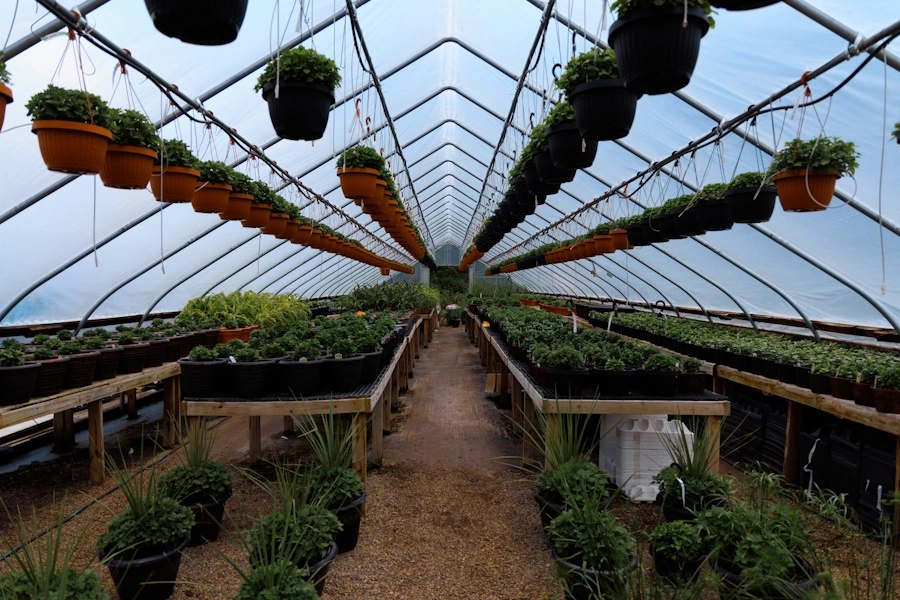
Local Nursery Scene in Makakilo
Makakilo sits on the leeward slopes of Oahu, characterized by its arid, breezy climate and distinct USDA hardiness zones, typically falling within zones 12a and 12b. Gardeners in this area face unique challenges: high wind exposure, porous volcanic soil, and a scarcity of consistent natural rainfall. Currently, the local supply chain for ornamental and landscaping plants is anchored by two primary outlets. While the quantity of retail garden centers is limited compared to the denser urban core of Honolulu, the existing options offer specialized horticultural support for local residents. These businesses cater to the specific environmental realities of Hawaii, moving beyond the generic inventory found in large big-box retailers to provide plants that have been acclimated to local sunlight, humidity, and salt-air conditions.
Comparison of Top Nurseries
| Nursery Name | Rating | Specialization | Type |
|---|
| Tillandsia in Hawaii | 5.0 | Air Plants/Bromeliads | Specialized Nursery |
| Makakilo Nursery | 4.7 | General Horticulture | General Nursery |
Deep Dive into Nurseries
Tillandsia in Hawaii serves as a premier destination for collectors and indoor enthusiasts. By focusing exclusively on epiphytic Tillandsia and rare bromeliads, they ensure that every specimen is healthy, well-propagated, and adapted for vertical or indoor display. Their greenhouse-grown stock effectively eliminates the soil-based pest risks often associated with imported nursery plants.
Makakilo Nursery functions as a foundational local garden center. While its footprint is more general, it provides a crucial service for local landscape maintenance and home garden projects. These general nursery types are vital for residents looking for staples that perform well in the specific micro-climates of the leeward coast.
Buying Guide for HI Gardeners
- Prioritize Native Species: Focus on drought-tolerant Hawaiian plants such as Ilima or Naupaka. These species thrive in Makakilo's wind-swept, sun-drenched environment while requiring less supplemental irrigation than tropical imports.
- Check for Local Acclimation: Plants grown in Hawaiian greenhouses are already adjusted to the intense UV levels and humidity fluctuations of the islands. Avoid buying plants shipped from the mainland, which often experience significant transplant shock.
- Inspect for Pests: Always check the underside of leaves for common local pests like aphids, scale, or mites. Local nurseries often have more rigorous inspection standards than large commercial retail chains.
- Soil Amendments: Because Makakilo soils are often rocky or nutrient-poor, investing in high-quality compost or organic fertilizers at the time of purchase is essential. Ask the nursery staff about specific soil drainage needs for your chosen plant.
- Seasonal Timing: Hawaii has a year-round growing season, but the cooler, wetter months are generally superior for establishing new shrubs and trees. During the hot, dry summer months, focus on container gardening or ensure you have a robust irrigation plan before putting plants in the ground.
The transition from big-box shopping to local nursery patronage represents a shift toward more sustainable gardening. Local growers offer more than just inventory; they provide years of localized observational data. When you purchase from a local Makakilo supplier, you gain access to institutional knowledge regarding which cultivars resist salt spray or handle the intense afternoon winds of the leeward side. This level of technical support is absent in mass-market retail and provides the single best advantage for maintaining a healthy, high-yield garden in the challenging conditions of the Hawaiian islands.