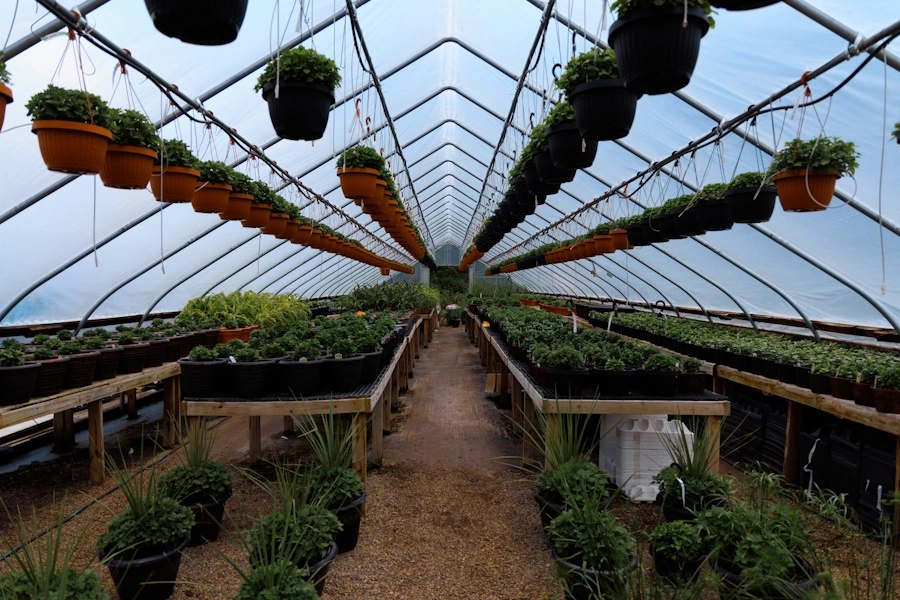
Local Nursery Scene in Burlington
Burlington hosts a specialized horticultural market anchored by two long-standing family businesses. While the number of dedicated local plant suppliers may seem limited, the depth of expertise within these two firms covers the needs of most Southeast Iowa residents. These nurseries prioritize regionally adapted plant materials over the mass-produced, generic inventory found at big-box retailers. By focusing on plants already hardened to the specific climate challenges of the Mississippi River valley, these local businesses provide a necessary service for residential landscape success.
Comparison of Top Nurseries
| Nursery Name | Rating | Specialization | Type |
|---|
| Ritter's Inc. | 4.8 | Landscape Design and Installation | Full-Service Nursery |
| Peters Greenhouse | N/A | Retail Plant Sales | Garden Center |
Deep Dive into Nurseries
Ritter's Inc. stands as a primary resource for those seeking both materials and professional execution. Operating for over 50 years, this third-generation company bridges the gap between a retail garden center and a full-scale landscape design firm. Because they grow a significant portion of their bedding plants on-site, the stock is better equipped to handle the transition from greenhouse to local garden beds compared to plants shipped from southern climate zones.
Peters Greenhouse represents a foundational piece of the local horticultural history, with 125 years of operation. As a pure retail garden center, their business model prioritizes the needs of the home gardener and enthusiast. Without a focus on landscape installation, their resources are dedicated entirely to maintaining a high-quality inventory of perennials, annuals, herbs, and vegetable starts, making them a consistent destination for seasonal planting.
Buying Guide for IA Gardeners
Gardening in Burlington requires an understanding of Iowa's USDA Hardiness Zones, which generally fall within Zone 5. Winters can be harsh, and summers frequently bring periods of high humidity and heat stress. Buying from local nurseries provides a critical advantage: plant acclimation. Local growers prioritize species that survive these temperature swings, ensuring your investment lives beyond a single season.
- Check for Local Origin: Prioritize plants grown on-site or in the region. These specimens arrive with fewer pests and less transplant shock than those sourced from distant national distribution centers.
- Evaluate Soil Health: Burlington soil can vary significantly, ranging from heavy clay to loam. Consult nursery staff about soil amendments like compost or expanded shale to improve drainage for your new shrubs or trees.
- Understand Native Benefits: Incorporating native Iowa species into your landscape provides habitat for pollinators and requires less supplemental water once established. Ask nursery staff specifically for native prairie grasses or wildflowers.
- Inspect Root Systems: Before purchasing, gently check for root-bound containers. Healthy plants should have firm, white roots rather than dense, circling brown masses, which indicate long-term neglect.
- Seasonal Timing: For trees and shrubs, aim for spring or fall planting. Iowa's peak summer heat can be lethal to young, unestablished root systems if irrigation is not carefully managed.
- Avoid Mass-Market Shortcuts: Big-box stores often prioritize low price points over botanical hardiness. Local nurseries invest in plant longevity, offering better advice on planting depth, fertilization, and site-specific needs.
When selecting between a specialized nursery and a general garden center, consider your project scope. If you require a full landscape design, irrigation planning, or structural hardscaping like pavers and water features, a full-service operation like Ritter's provides an integrated solution. For the DIY gardener looking to stock their vegetable patch or add seasonal color with annuals and perennials, a dedicated garden center like Peters Greenhouse offers the specialized horticultural knowledge needed to select the right plant for your specific sunlight exposure. Understanding the difference between these types of operations saves time and ensures you are consulting with the right experts for your residential project.